Spain Grants Legal Status to 500,000 Migrants
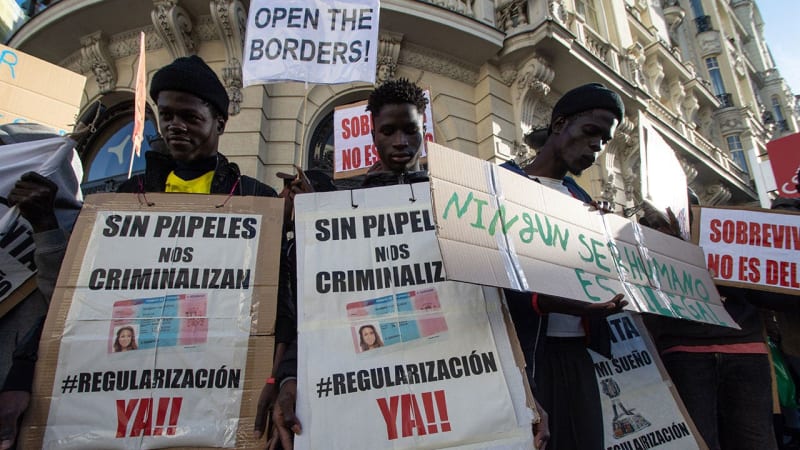
While much of Europe tightens immigration policies, Spain is opening its doors wider. The country just approved a plan to legalize up to half a million undocumented migrants already contributing to Spanish communities.
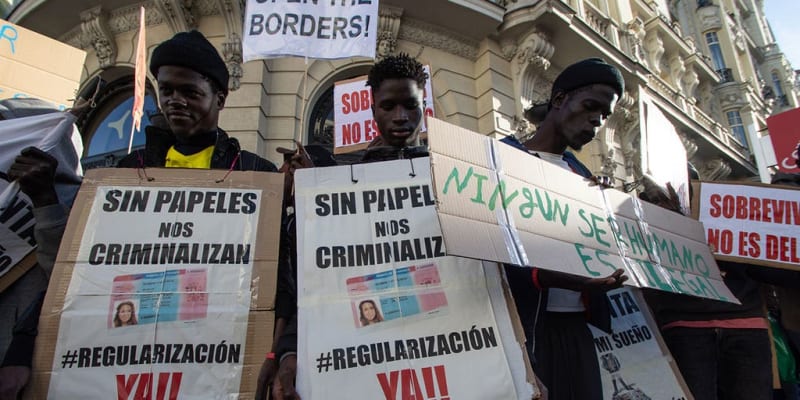
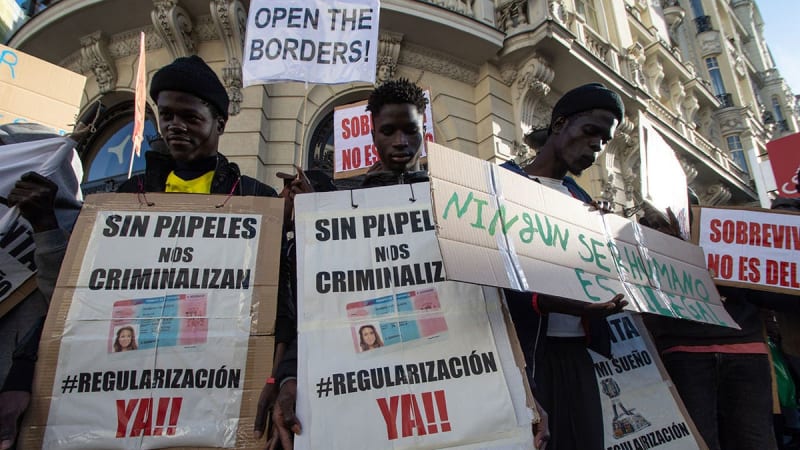
Spain's government took a bold step this week that sets it apart from its European neighbors. The Socialist-led administration approved a royal decree granting legal status to as many as 500,000 undocumented immigrants who've already been living and working in the country.
The new policy offers a clear path forward for people who arrived before the end of 2025 and have lived in Spain for at least five months. Those without criminal records can now obtain one-year residency and work permits, with possible routes to full citizenship down the line.
Prime Minister Pedro Sánchez framed the decision around economic reality rather than politics. Spain has an aging workforce that needs younger workers to sustain its economy, and many of these soon-to-be-legal residents are already filling critical jobs.
Migration Minister Elma Saiz captured the government's approach simply: Spain "will not look the other way." The decree recognizes people who are already part of Spanish society, bringing them out of the shadows and into the formal economy.
The move comes at a moment when most European countries are moving in the opposite direction, tightening borders and restricting immigration. Spain's willingness to chart its own course reflects a pragmatic calculation about what actually works.
Why This Inspires
Political science professor Ricard Zapata-Barrero from Pompeu Fabra University in Barcelona explains that Spain is treating immigration as a governance challenge rather than just a policing problem. When hundreds of thousands of people live in limbo for years, regularization becomes about effective government, not leniency.
The approach acknowledges a simple truth: these migrants are already contributing to Spanish communities. They're working jobs, paying rent, buying groceries, and sending kids to school. Legal status simply aligns the paperwork with the reality on the ground.
Spain's model prioritizes institutional capacity and administrative realism over detention centers and closed borders. It's a recognition that complex human situations sometimes need practical solutions rather than ideological responses.
The policy shows how countries can respond to immigration challenges with both compassion and clear-eyed pragmatism. Spain isn't ignoring the complexities, it's choosing to manage them through integration rather than exclusion.
Europe will be watching closely to see how this experiment unfolds, and whether Spain's different approach creates a workable model for managing migration in the 21st century.
More Images

Based on reporting by Fox News Latest Headlines (all sections)
This story was written by BrightWire based on verified news reports.
Spread the positivity!
Share this good news with someone who needs it