Spain Releases 45-Year Secret Files on Failed 1981 Coup
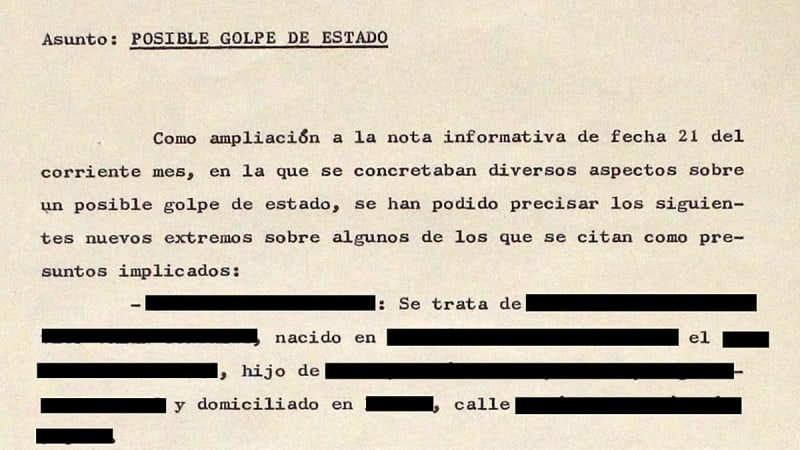
Spain just declassified 153 documents revealing how King Juan Carlos helped stop armed officers from overthrowing democracy in 1981. The historic release ends 45 years of secrecy around one of Europe's most dramatic moments.
After 45 years behind locked doors, Spain has opened its historical archives to reveal the full story of how democracy survived its darkest day.
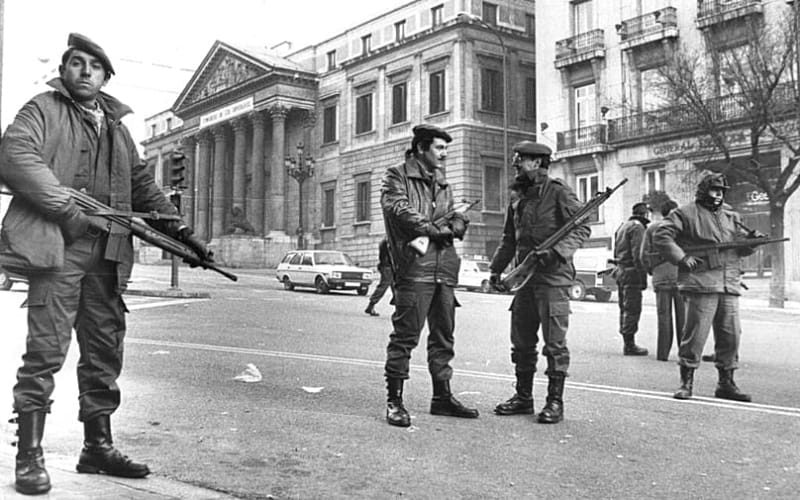
On February 23, 1981, Lieutenant Colonel Antonio Tejero led 200 armed Civil Guard officers into Spain's parliament building during a vote to confirm a new prime minister. The officers held lawmakers hostage for 18 hours while tanks rolled through Valencia's streets, threatening to end Spain's young democracy just six years after the death of dictator Francisco Franco.
The newly released documents show military commanders issuing orders to "shoot to kill" and coordinating tank deployments. General Alfonso Armada, who had served in the royal household, tried positioning himself as a solution who would form a coalition government.
But one phone call changed everything. King Juan Carlos I heard about the coup on the radio at 6:22 pm and immediately began working to stop it. Shortly after 1 am, he appeared on television calling for democratic government to continue. Hours later, the coup collapsed.
Spain's Prime Minister Pedro Sánchez announced the declassification this week, saying "Memory cannot be under lock and key." The 153 documents include phone transcripts between military commanders, intelligence reports, and records from multiple government ministries during the crisis.
The materials also reveal that intelligence agencies remained concerned about pro-coup factions within the military even after the failed attempt. A Supreme Court later sentenced the three main leaders to 30 years in prison.
The military uprising grew from deep frustration within Spain's armed forces over the country's transition to democracy. Economic crisis had pushed unemployment near 20%, and hardliners rejected the new political system while dealing with ongoing separatist violence.
Why This Inspires
This release represents more than just historical transparency. It shows a democracy confident enough to examine its closest brush with disaster and share those lessons openly.
The documents prove that democratic institutions can survive even when armed forces storm the building, as long as key leaders stand firm. King Juan Carlos, military officers who refused coup orders, and citizens who defended their young democracy all played crucial roles.
Spain's decision to declassify these files comes as the country works to replace its 1968 secrecy law from the Franco era with modern transparency standards. The proposed legislation would automatically declassify most government secrets after 25 years.
Historians and civil society groups have celebrated the release, calling it essential for understanding how fragile democracies defend themselves. The timing also matters: other nations watching democratic norms tested can learn from Spain's experience.
Democracy survived that February night in 1981 because enough people chose to protect it, and now everyone can read exactly how they did it.
More Images
Based on reporting by Euronews
This story was written by BrightWire based on verified news reports.
Spread the positivity!
Share this good news with someone who needs it