Spain Unearths First Diplodocus Bones Ever Found in Europe
Scientists in Spain discovered the first Diplodocus skeleton outside North America, proving the famous long-necked dinosaur crossed ancient oceans 150 million years ago. The find rewrites what we know about how dinosaurs moved between splitting continents.
Scientists just found proof that one of the world's most famous dinosaurs traveled much farther than anyone imagined.
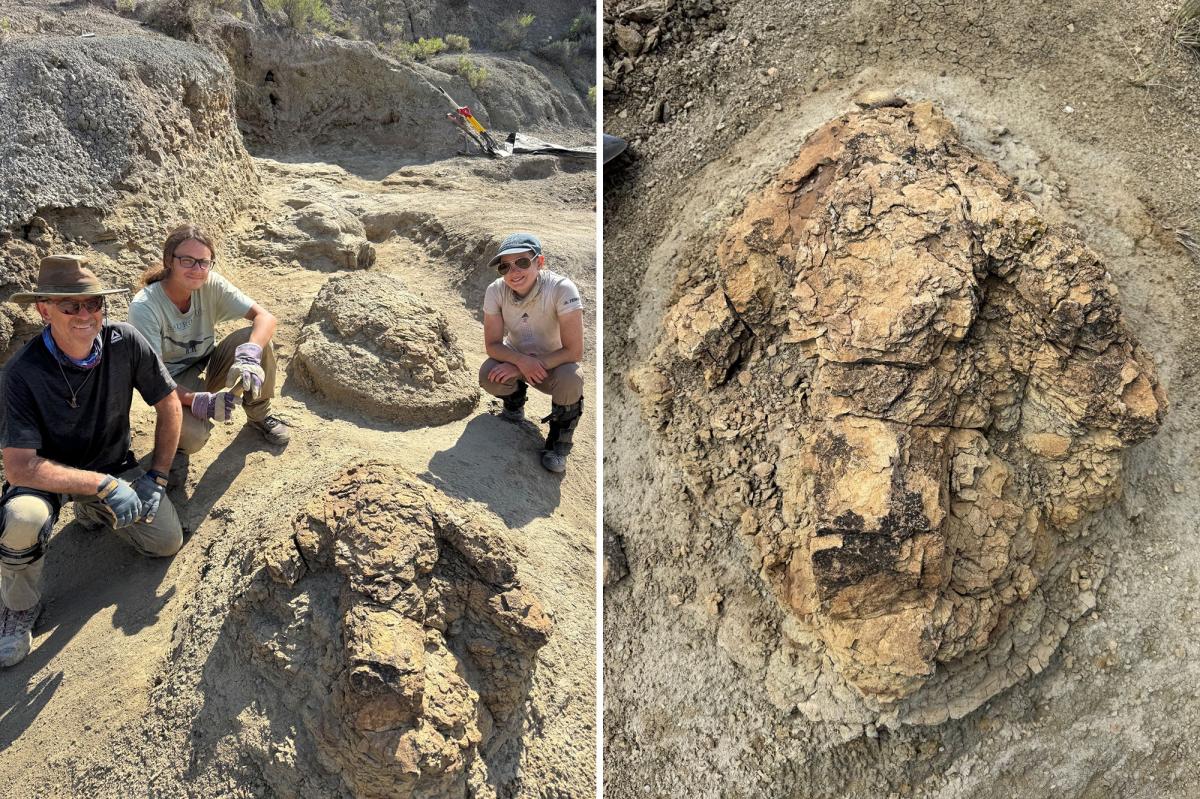
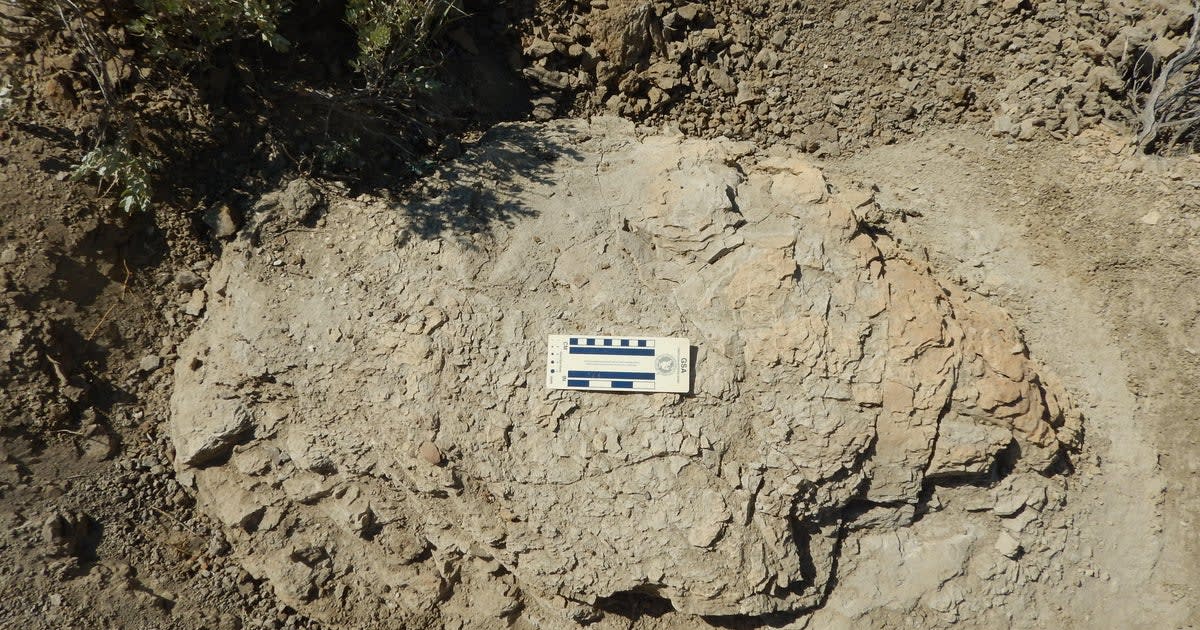
Researchers at the Dinopolis Foundation in eastern Spain unearthed skeletal remains of a Diplodocus, marking the first time this iconic long-necked giant has been found outside North America. The 150-million-year-old bones include 14 tail vertebrae and several chevron bones discovered at the La Tejeria fossil site near El Castellar.
The team published their findings this week in the Journal of Vertebrate Paleontology, calling it "one of the most complete diplodocid skeletons from Europe." Until now, every Diplodocus fossil ever found came from the Morrison Formation in North America, making this Spanish discovery a genuine game-changer.
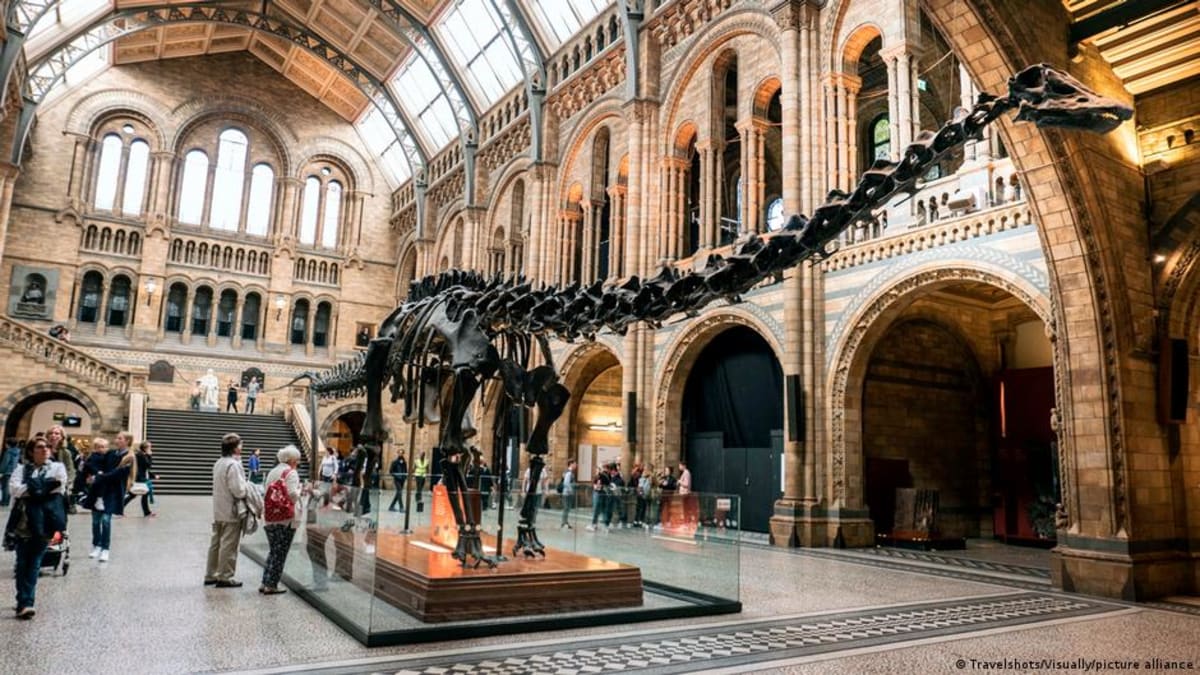
Most people recognize Diplodocus from museum displays like "Dippy," the famous skeleton cast that greeted visitors at London's Natural History Museum for decades. Despite this popularity, the European fossil record for these massive herbivores remained mysteriously empty until now.
The discovery solves a puzzle that has intrigued paleontologists for years: how did land-dwelling dinosaurs cross an ancient ocean? During the Late Jurassic period, continents were just beginning to drift apart, and the proto-Atlantic Ocean was still forming between what would become North America and Europe.
Scientists now believe temporary land bridges or occasional drops in sea levels created pathways for dinosaurs to migrate between separating continents. Recent fossil finds along Spain and Portugal's Atlantic coast have been steadily supporting this theory, and the Diplodocus bones add powerful new evidence.
The discovery joins other recent finds challenging old assumptions about dinosaur geography. Stegosaurus and other species once thought exclusive to North America are now turning up in European dig sites, suggesting these ancient creatures were more widespread than previously imagined.
The Ripple Effect
This find does more than add one skeleton to museum collections. It transforms our understanding of how life adapted and migrated during one of Earth's most dramatic geological changes. The evidence suggests dinosaurs didn't just passively exist in isolated pockets but actively moved across vast distances, finding ways to cross emerging oceans and colonize new lands.
The La Tejeria site continues to yield discoveries, with researchers uncovering a growing list of giant sauropods in the region. Each new find fills in missing pieces of the prehistoric puzzle, showing how dinosaurs spread across a world that looked nothing like today's map.
Spain's fossil-rich sites are proving that Europe played a much bigger role in dinosaur history than scientists previously thought. The continent wasn't just home to unique species but served as a crucial crossroads where dinosaurs from different landmasses met and mingled.
This Diplodocus traveled an incredible distance 150 million years ago, and its bones are still teaching us about persistence and adaptation today.
More Images
Based on reporting by Google News - Science
This story was written by BrightWire based on verified news reports.
Spread the positivity!
Share this good news with someone who needs it