Spain's Almería Greenhouse Farms Model Climate-Smart Growth
A Spanish province has turned greenhouses into an economic powerhouse that proves sustainability and success can thrive together. The new guidebook celebrates how Almería transformed barren land into Europe's garden through innovation and smart farming.
Spain just published a roadmap showing how one province fed millions while protecting the planet.
Almería, a sun-drenched region in southern Spain, released a comprehensive guide this week showcasing how its greenhouse agriculture became one of Europe's greatest farming success stories. The book highlights decades of innovation that turned arid coastal land into a thriving food production hub.
The "Guide to Almería's Greenhouse Agriculture" was unveiled Friday by regional officials who call the sector "one of the greatest examples of innovation, effort, and resilience." The collaboration between the Junta de Andalucía and Provincial Council marks the 19th volume in a series documenting the region's cultural and economic identity.
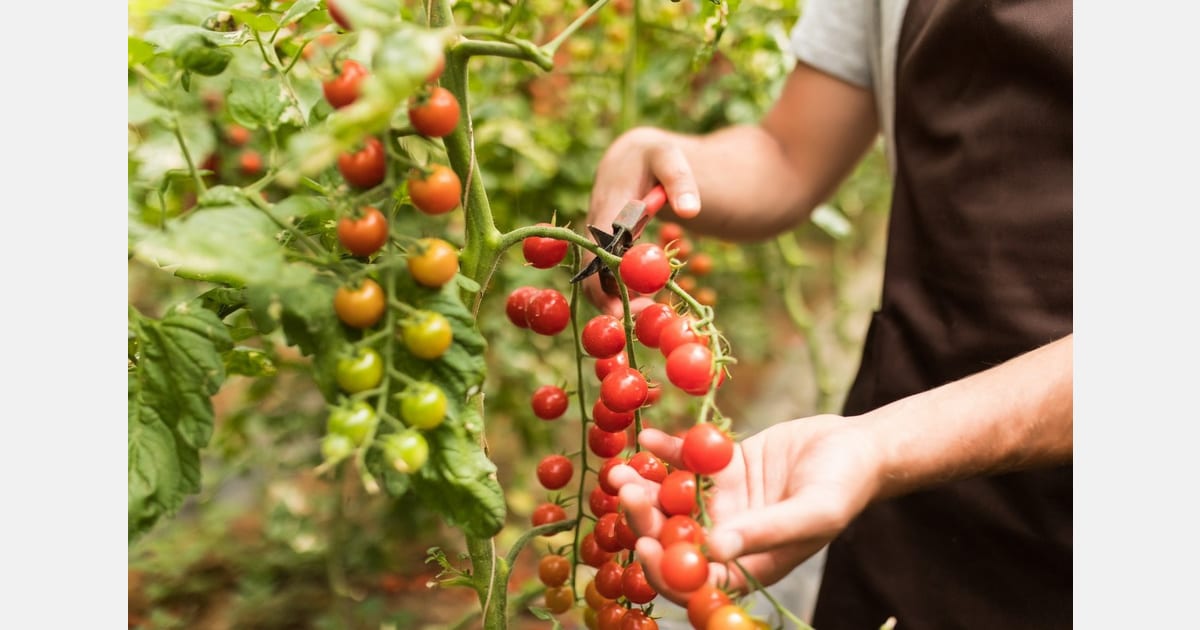
Almería's greenhouse farms now supply fresh vegetables and fruits to markets across Europe year-round. The system uses advanced techniques to maximize water efficiency in one of Spain's driest regions, proving that sustainable farming can scale without sacrificing productivity.
Minister Ramón Fernández-Pacheco emphasized that the intensive horticulture model "has transformed the province and demonstrated that sustainability and competitiveness can go hand in hand." The greenhouses use precision irrigation, biological pest control, and climate management systems that reduce resource waste.
The guide draws on research from the Institute of Almerian Studies and regional agricultural experts. It traces how farmers adapted traditional growing methods to modern challenges, creating jobs and economic stability in rural communities.
The Ripple Effect
Almería's success story resonates far beyond Spain's borders. As climate change threatens traditional farming regions, the province offers a blueprint for growing food in challenging conditions without depleting natural resources.
The model has attracted attention from agricultural researchers worldwide studying how to increase food production while reducing environmental impact. Water recycling systems and renewable energy integration show that modern farming can actually improve rather than harm local ecosystems.
Local farming families have built multigenerational businesses around the greenhouse sector. Young people who might have left rural areas for cities now see farming as a viable, innovative career path with real technological advancement.
The guidebook arrives as countries everywhere search for answers to food security challenges. Almería proves that with smart planning and willingness to innovate, regions can create prosperity while respecting planetary limits.
This Spanish province turned limitation into opportunity and built something the whole world can learn from.
More Images



Based on reporting by Google News - Spain Success
This story was written by BrightWire based on verified news reports.
Spread the positivity!
Share this good news with someone who needs it