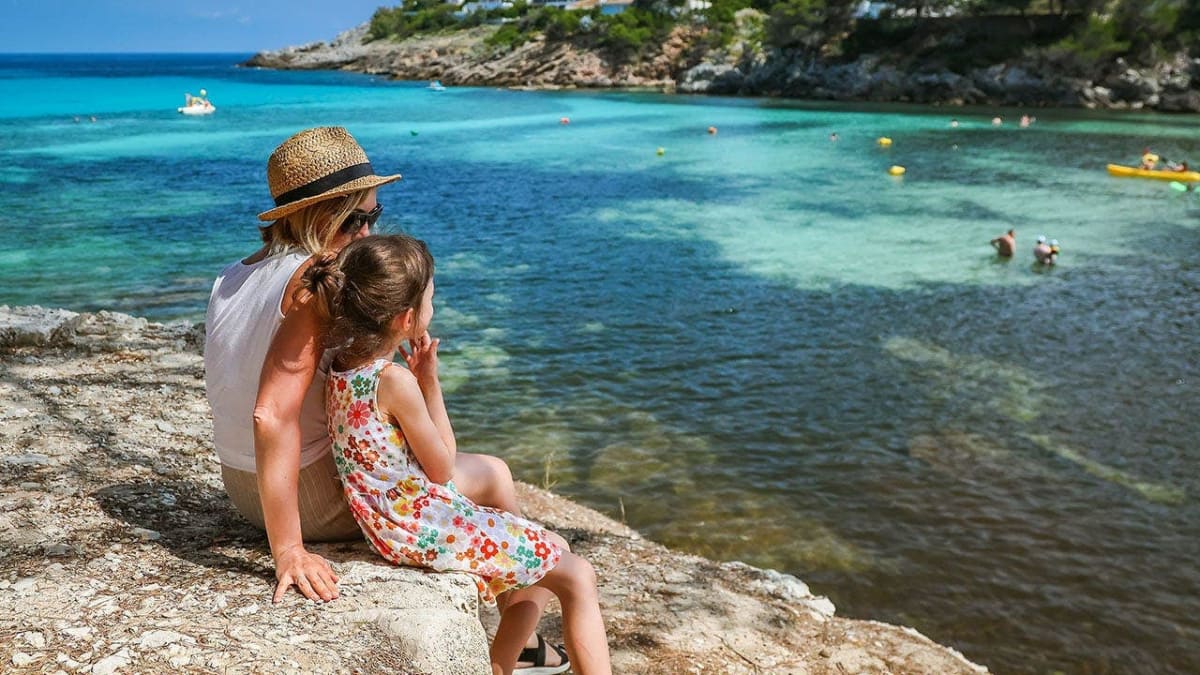
Spain's Islands Cap Tourism to Protect Locals and Nature
Spain's Balearic Islands are introducing visitor limits after 19 million tourists overwhelmed housing, roads, and beaches in 2025. The move shows destinations choosing sustainability over endless growth.
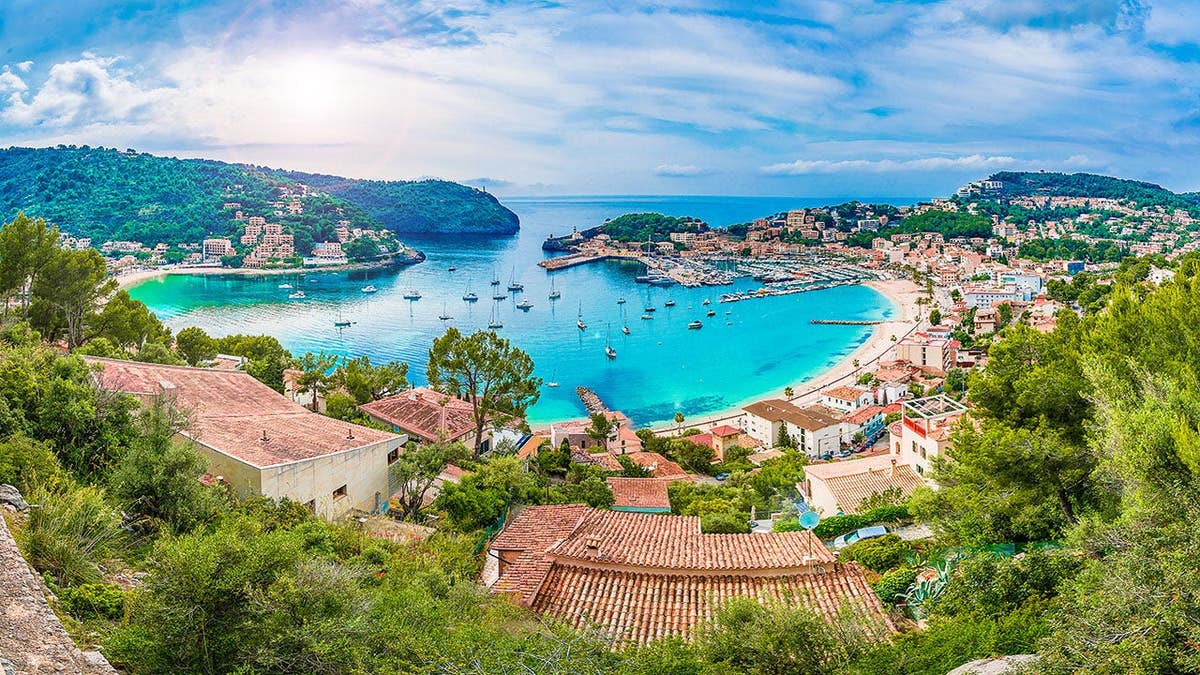
After welcoming more than 19 million visitors in 2025, Spain's beloved Balearic Islands are hitting the brakes on tourism to protect both residents and the stunning natural spaces that made these destinations famous in the first place.
Mallorca, Ibiza, and Menorca are introducing new visitor caps and restrictions as social media transforms once quiet Mediterranean getaways into overwhelmed hotspots. Officials plan to limit annual arrivals to around 17.8 million, rolling back to 2023 levels to ease pressure on housing, infrastructure, and the environment.
The surge isn't just about more people discovering paradise. Cruise ships alone dump over a million additional visitors on the islands each year, with thousands arriving at once in ports like Palma and Ibiza Town.
Mallorca felt the strain most acutely. In June 2025, thousands of residents marched through streets carrying signs reading "One more tourist, one less resident." The message was clear: unchecked tourism was pricing locals out of their own communities.
"Social media has made it way easier for people to discover places that used to fly under the radar," says Jordi Lippe-McGraw, a New York-based travel expert. "Once a place goes viral, it can get flooded with visitors really quickly."
Ibiza has started limiting vehicle numbers during peak season to combat road congestion. Authorities across all three islands are cracking down on illegal vacation rentals and maintaining strict caps on tourist accommodations.
Boston-based travel writer J.Q. Louise, who has visited Ibiza multiple times, sees the transformation firsthand. "Fifteen years ago, you would rarely see Americans on the island. Social media has made Ibiza mainstream."
Menorca is trying to get ahead of the problem. Often marketed as the quieter alternative to its famous neighbors, the smallest island has already implemented visitor limits before reaching a breaking point.
The Bright Side
These restrictions represent a hopeful shift in how popular destinations think about tourism. Instead of chasing endless growth, officials are choosing to protect the very things that make these islands special: pristine beaches, local culture, and livable communities.
The caps also create a model other overwhelmed destinations can follow. When places prioritize sustainability over maximum visitor numbers, everyone benefits in the long run.
"It's great that people want to explore new places, but those places aren't always set up to handle that kind of attention," Lippe-McGraw notes. "That's when you start to see overcrowding, higher costs for locals, and more pressure on the area overall."
By setting limits now, the Balearic Islands are ensuring future generations can still experience the stunning scenery, gorgeous beaches, and rich local culture that made these destinations worth visiting.
More Images
Based on reporting by Fox News Travel
This story was written by BrightWire based on verified news reports.
Spread the positivity!
Share this good news with someone who needs it