Spanish Team Cures Pancreatic Cancer in Mice
Scientists in Spain eliminated pancreatic tumors in mice using a triple-drug therapy, with no cancer returning over 200 days. The breakthrough targets the deadliest form of pancreatic cancer and could reshape treatment if human trials succeed.
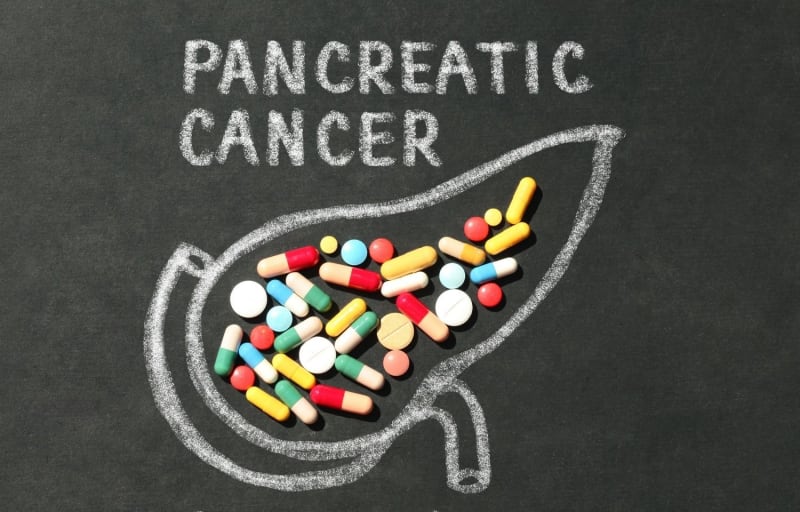
Scientists at Spain's National Cancer Research Centre just achieved something remarkable: they completely eliminated pancreatic tumors in mice, and the cancer never came back.
The team, led by cancer biologist Dr. Mariano Barbacid, used a triple-drug combination to attack pancreatic ductal adenocarcinoma, the most common and lethal form of the disease. More than 200 days after treatment stopped, the mice remained cancer-free with no serious side effects.
Pancreatic cancer kills nearly as many people as it diagnoses each year. In 2022, over 500,000 people worldwide received the diagnosis, and 470,000 died from it. Fewer than 10% of patients survive five years, partly because the cancer is usually detected late and resists most treatments.
The problem lies with a faulty gene called KRAS, found in over 90% of pancreatic cancers. This gene constantly signals cancer cells to grow and divide. Even when doctors block KRAS, tumors often find backup pathways to survive and grow again.
The Spanish researchers designed their approach to close every escape route. The first drug, daraxonrasib, blocks the main KRAS signal driving tumor growth. The second drug, afatinib, shuts down EGFR and HER2, pathways cancer cells use to escape KRAS-targeted treatment. The third drug, SD36, disables STAT3, a backup system that helps cancer cells survive under stress.
When all three drugs worked together, they left the cancer with nowhere to hide. The tumors shrank completely and stayed gone, something rarely seen in pancreatic cancer research.
Why This Inspires
This study represents years of understanding how cancer adapts and survives. By blocking the main engine, the escape routes, and the emergency backup all at once, the researchers created a trap the cancer couldn't slip out of.
The treatment also proved surprisingly gentle on the animals, showing no major toxic effects during the trial period. That balance between power and safety is crucial for any therapy hoping to help real patients.
The team published their findings in the Proceedings of the National Academy of Sciences and acknowledged the road ahead won't be easy. Human trials still need to happen, and what works in mice doesn't always translate to people. But the results are strong enough that researchers are now planning how to move toward testing in humans.
For the tens of thousands of people diagnosed with pancreatic cancer each year, including many in India where rates are rising, this research opens a door that's been closed for too long. The therapy isn't ready for patients yet, but it proves that even one of medicine's toughest cancers can be defeated with the right combination.
The next chapter will be written in clinical trials, where real patients get the chance to benefit from this discovery.
More Images
Based on reporting by Google News - Health Breakthrough
This story was written by BrightWire based on verified news reports.
Spread the positivity!
Share this good news with someone who needs it