Sperm Whales Use Vowels Like Humans, Scientists Discover
Scientists studying sperm whales off Dominica have discovered the ocean giants communicate using vowel sounds and language structures remarkably similar to human speech. The breakthrough brings us closer to understanding what these intelligent creatures are actually saying to each other.
Deep beneath the ocean's surface, sperm whales have been having sophisticated conversations for over 20 million years, and scientists are finally starting to listen.
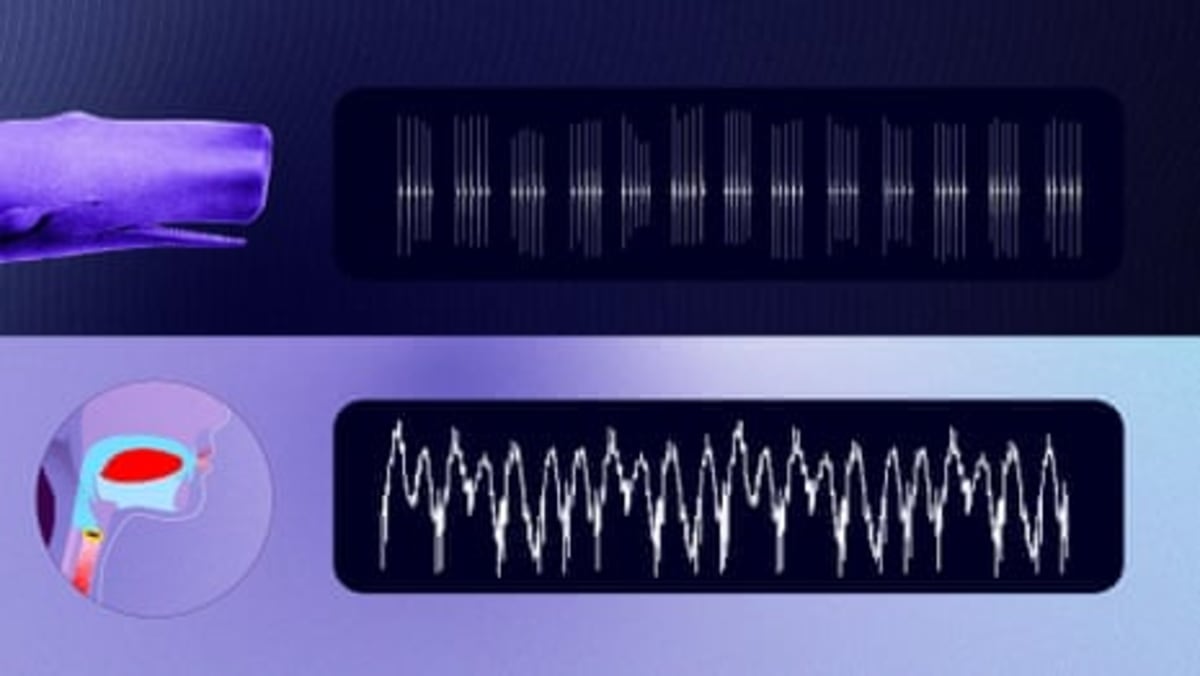
Researchers with Project CETI have discovered that sperm whale communication isn't just random clicking sounds. These enormous ocean dwellers use an actual "alphabet" with vowel-like sounds that follow patterns strikingly similar to human languages like Mandarin and Latin.
The whales communicate through short clicks called codas, manipulating them into different vowel sounds by adjusting pitch and duration. When researchers removed the gaps between clicks, they found patterns that mirror how humans change an "A" sound into an "E" sound by altering our vocal folds.
"I think it's another humbling moment that we're not the only species with rich, communicative, communal and cultural lives," said David Gruber, founder and president of Project CETI. His team has been studying the whales off the coast of Dominica, using artificial intelligence and modern technology to decode their language.
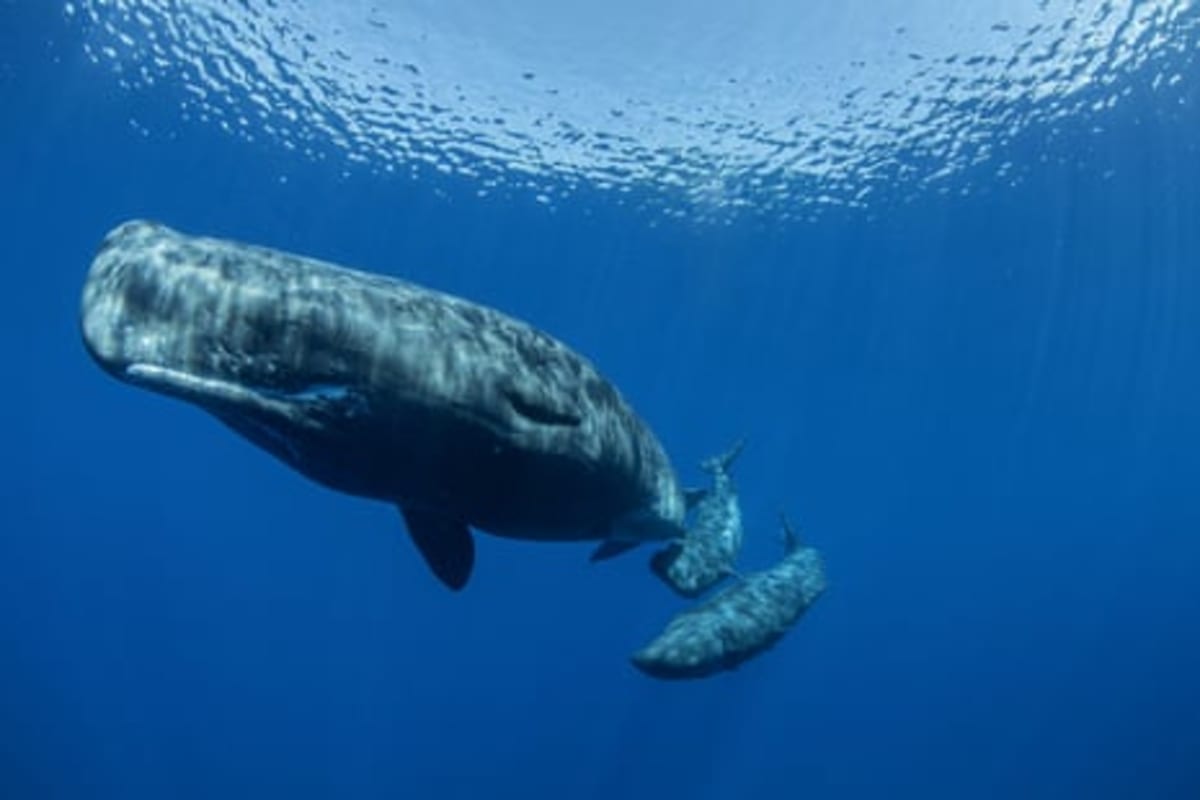
Watching sperm whales communicate is fascinating. They surface for just 10 minutes after diving deep for up to 50 minutes hunting squid, and during those brief moments, they get close and "chit-chat" with their heads pressed together, clicking into each other's heads like friends huddled for an intimate conversation.
Linguist Gašper Beguš from UC Berkeley, who led the study published in Proceedings B journal, says this complexity surpasses anything seen in other animals like parrots or elephants. The structure of whale communication shows "close parallels in the phonetics and phonology of human languages, suggesting independent evolution."
Why This Inspires
Despite having last shared a common ancestor 90 million years ago, sperm whales and humans have more in common than you might think. Like us, these whales have grandmothers who help raise babies, they babysit each other's calves, and they support mothers during collaborative births.
"They have very different lives to us, but you realize that there's a lot that unifies us," said Beguš. "It's such a distant intelligence, but in many ways very relatable."
Project CETI has set an ambitious goal: understanding 20 different whale expressions related to activities like diving and sleeping within the next five years. Actually having a conversation with whales is still years away, but Gruber insists it's not science fiction anymore.
"At the moment we are like a two-year-old, just saying a few words," he explained. "In a few years' time, maybe we will be more like a five-year-old."
Until the 1950s, scientists didn't even know sperm whales vocalized, but now we're on the verge of understanding an intelligence that has thrived in the ocean depths for millions of years.
More Images

Based on reporting by Guardian Environment
This story was written by BrightWire based on verified news reports.
Spread the positivity!
Share this good news with someone who needs it
%2Ffile%2Fattachments%2F2998%2F14147038_376896.jpg)