Spinal Injury Treatment Shows 80% Recovery in Study
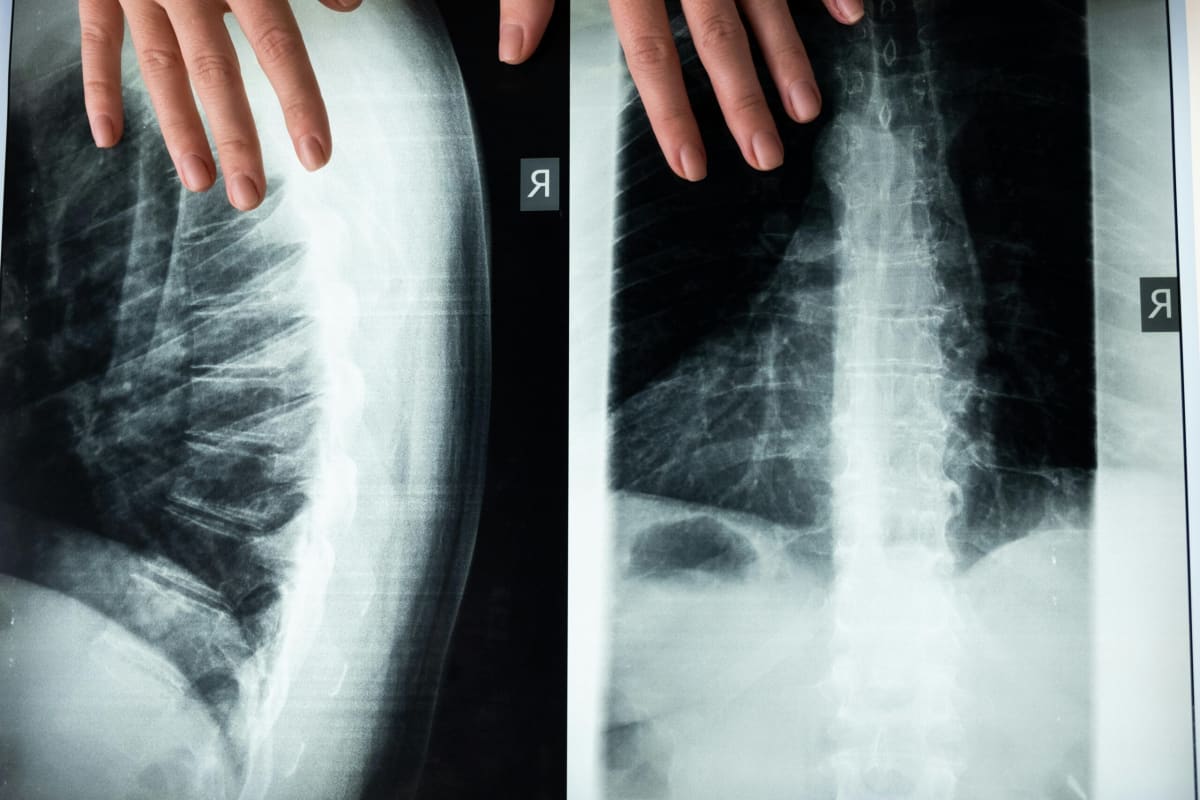
Scientists at Tel Aviv University developed a simple injection that helped paralyzed animals regain up to 80% of their movement within two months. The treatment works by removing harmful chemicals from the body right after injury strikes.
A breakthrough treatment for spinal cord injuries could transform how doctors save people from paralysis after devastating accidents.
Researchers at Tel Aviv University tested an experimental therapy that dramatically improved recovery in animals with severe spinal injuries. Within two months of receiving the treatment, paralyzed test subjects regained up to 80% of their normal walking ability, compared to just 30% in those who went untreated.
The treatment addresses a critical problem that happens in the hours after someone breaks their spine. When the spinal cord gets injured, a brain chemical called glutamate floods the area and causes even more damage than the original injury itself. This secondary wave of destruction triggers inflammation, scarring, and nerve cell death that can turn a serious injury into permanent paralysis.
Dr. Angela Ruban and her team at TAU's medical school found a way to stop this cascade. Their treatment pulls the excess glutamate out of the damaged area through the bloodstream, preventing the secondary damage before it starts. The best part? It works as a simple intravenous injection that first responders could give at accident scenes.
The treatment remained effective even when given up to eight hours after injury. That window gives emergency teams precious time to reach victims and administer the therapy before permanent damage sets in.
The research team, which included Dr. Yona Goldshmit and several graduate students, published their findings in the journal Inflammation and Regeneration. An independent research organization validated the results as part of preclinical trials.
The Ripple Effect
The implications stretch far beyond spinal injuries. Dr. Goldshmit noted the same approach could help stroke victims and people with traumatic brain injuries, where glutamate also causes secondary damage. Researchers are now exploring whether it could treat blast-induced head injuries suffered by soldiers and civilians in conflict zones.
The jump from 30% recovery to 80% represents life-changing progress for people facing paralysis. That difference could mean the gap between using a wheelchair forever and walking again, between needing full-time care and living independently.
First responders could carry this treatment in ambulances alongside other emergency medicines, giving accident victims a fighting chance at recovery during those critical first hours. No complex equipment needed, no special training required beyond a standard IV injection.
The therapy's simplicity makes it practical for real-world use, from rural highways to urban emergency rooms to battlefields.
Scientists are moving forward with additional studies to bring this treatment closer to human trials, offering genuine hope to the hundreds of thousands of people who suffer spinal cord injuries each year.
More Images


Based on reporting by Google News - Researchers Find
This story was written by BrightWire based on verified news reports.
Spread the positivity!
Share this good news with someone who needs it
%2Fhttps%3A%2F%2Ftf-cmsv2-smithsonianmag-media.s3.amazonaws.com%2Ffiler_public%2F8f%2F51%2F8f519049-2d05-4f9a-8858-f58ed880bd57%2Fgettyimages-1432941680.jpg)