Spokane Waste Plant Gets Clean Energy Path, Saves Millions
Washington just gave Spokane's unique trash-to-energy plant a cleaner future without crushing residents with huge rate hikes. The new law charts a gradual path to cut emissions while keeping electricity affordable for thousands of families.
Spokane residents just dodged a potential $8 million annual bill increase, thanks to new legislation that gives the city's one-of-a-kind Waste-to-Energy Plant time to go green.
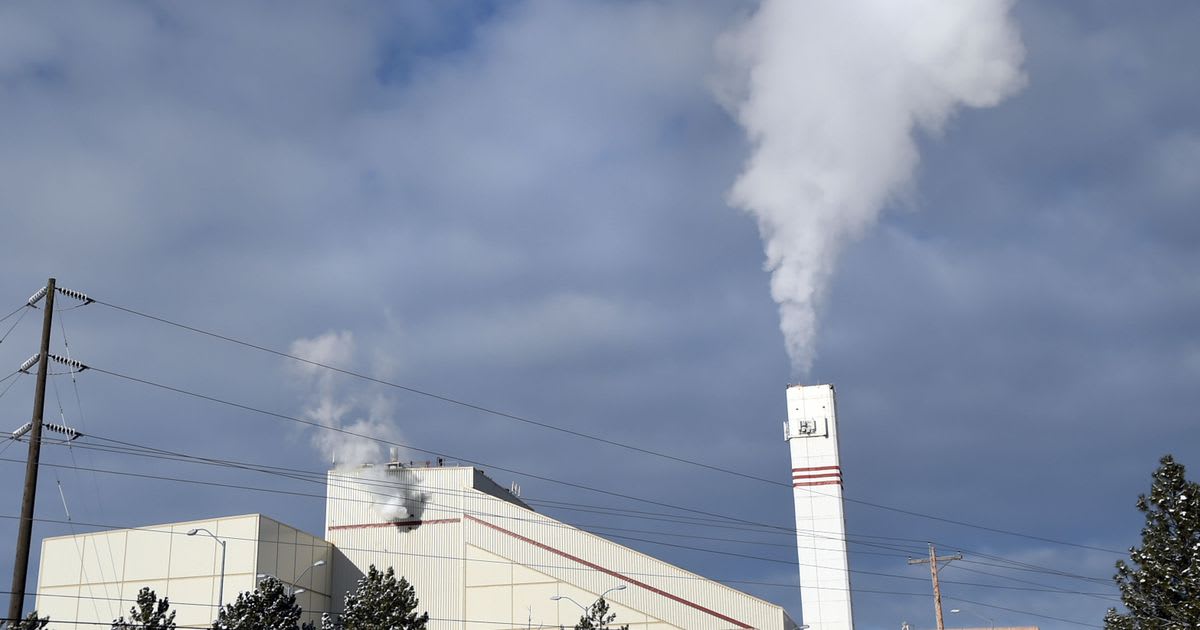
Governor Bob Ferguson signed the bill Wednesday, creating a bridge that lets the facility reduce carbon emissions gradually through 2030 without slamming ratepayers with crushing costs. The plant burns trash to generate electricity for the community, but Washington's climate laws didn't originally account for this unusual setup.
The problem was tricky. State climate rules passed in 2021 gave landfills a pass on carbon credit costs because they naturally produce emissions as waste breaks down. But Spokane's facility, which actively burns garbage to create power, got no exemption.
City officials warned that buying carbon credits at state auctions could cost between $2.5 million and $8 million every year. Those costs would land directly on residents' utility bills.
The new law hands the facility free carbon credits through 2030 while it works to clean up its act. By December 2030, operators must submit a detailed roadmap showing how they'll meet Washington's ambitious emission reduction targets for 2040 and 2050.
Mayor Lisa Brown personally traveled to the state capital to push for the solution. Local lawmakers Natasha Hill and Marcus Riccelli sponsored the legislation that threads the needle between environmental progress and economic reality.
The Bright Side
This bill shows climate action doesn't have to be all or nothing. Environmental groups, city officials, labor unions, and state agencies sat down together and hammered out a plan that protects both the planet and people's wallets.
The facility now has clear deadlines and accountability measures. It must reduce waste and prove it can hit future emission targets. Meanwhile, Spokane families avoid sudden rate spikes that could strain household budgets.
Ferguson praised the collaborative approach, noting the legislation "maintains progress towards our state's greenhouse gas emission reduction limit" while creating "a reduced-cost pathway" for compliance. Brown called it "thoughtful negotiation" that keeps environmental priorities front and center without overburdening ratepayers.
The waste plant handles 100,000 tons of emissions annually while providing electricity to the community. Now it gets breathing room to innovate and transform without leaving residents holding an impossible bill.
Sometimes the best solutions come when everyone checks their egos at the door and builds something better together.
More Images

Based on reporting by Google News - Emissions Reduction
This story was written by BrightWire based on verified news reports.
Spread the positivity!
Share this good news with someone who needs it