Spokane's MLK Center Gets $1.5M Microgrid for Emergencies
When the power goes out in Spokane's East Central neighborhood, the Martin Luther King Jr. Community Center will now stay online thanks to a new solar-powered microgrid. The system keeps lights on, food cold, and doors open during emergencies.
📺 Watch the full story above
A community center in Spokane just became a lifeline for residents when disaster strikes.
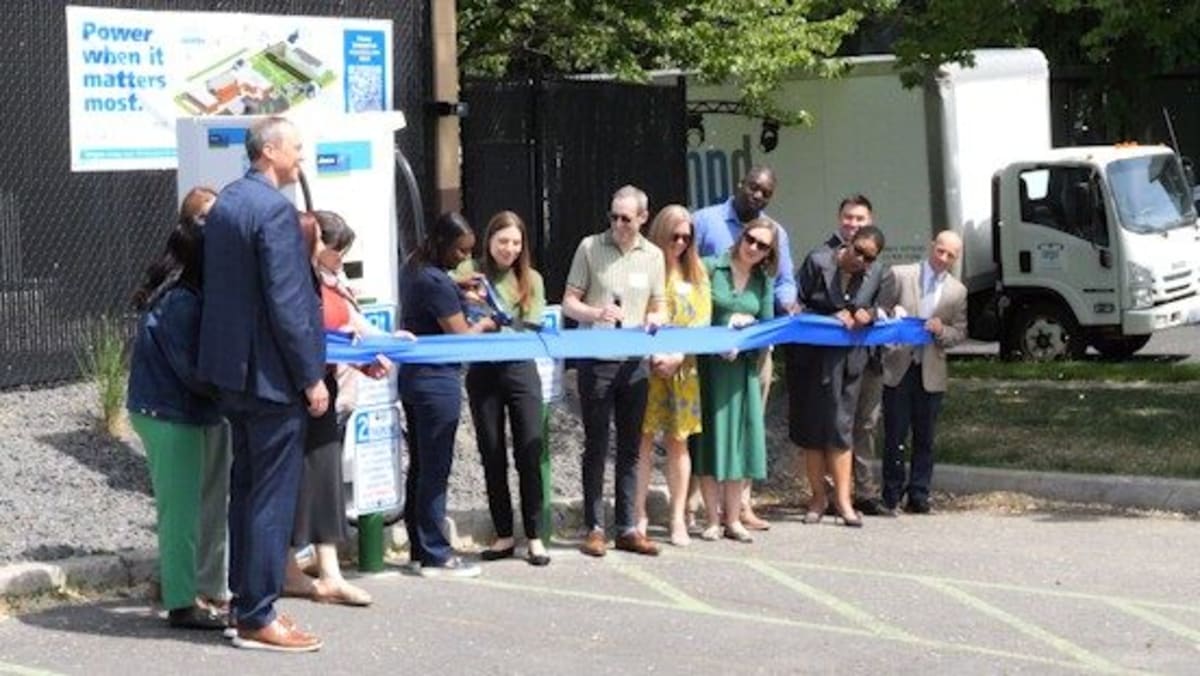
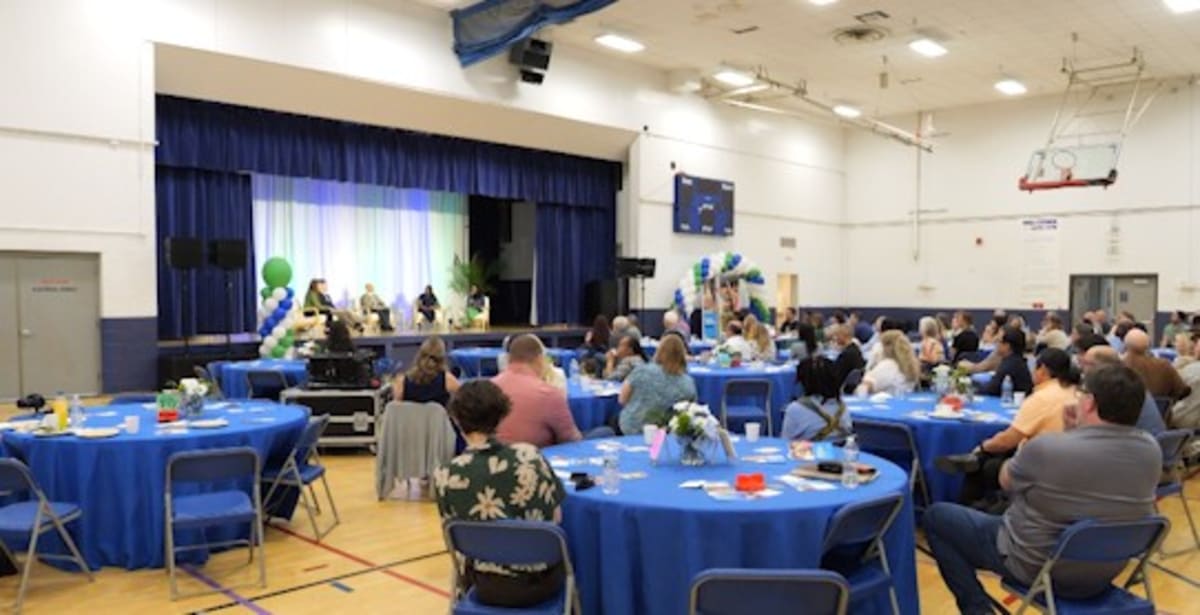
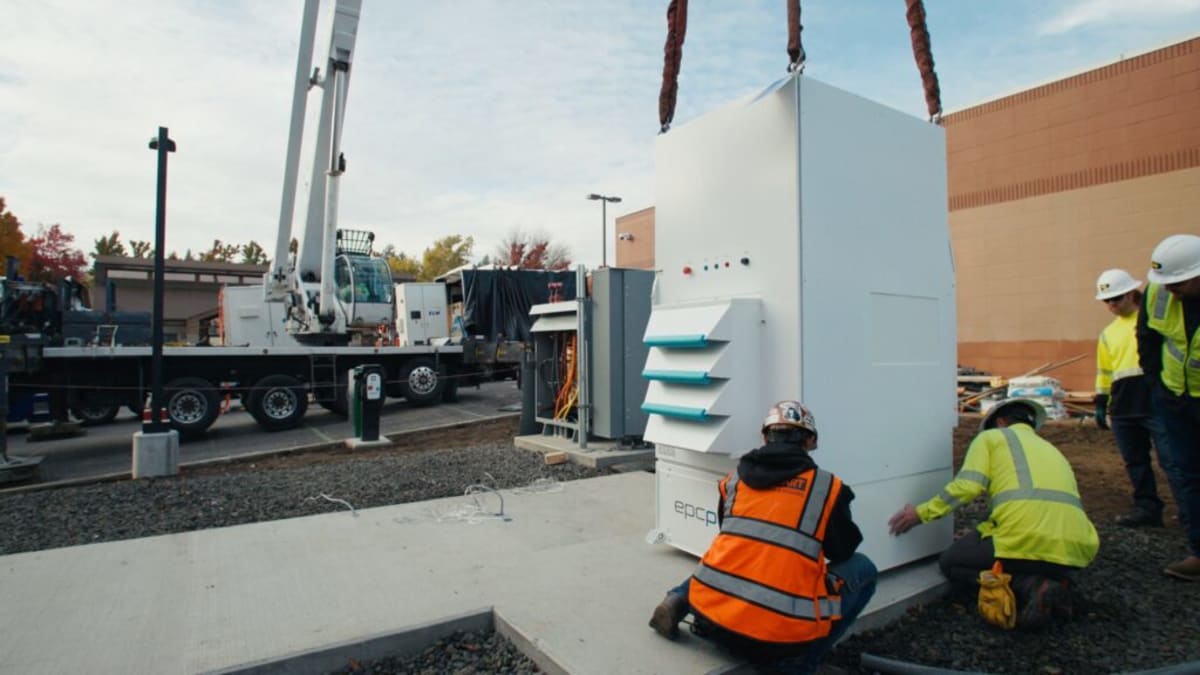
The Martin Luther King Jr. Community Center in Spokane's East Central neighborhood now has a $1.5 million solar-powered microgrid that keeps essential services running during power outages. When extreme weather knocks out electricity, a simple switch activates backup power so the center can serve as a safe gathering space.
The three-year project brought together Avista Utilities, the community center, and the Washington State Department of Commerce. But the real architects were the residents themselves, who shaped the project around actual needs like food storage, heating, and charging stations.
"This shows that the investments we're all making as a community are coming back to the community," said Leticia Hill, VP of customer affairs at Avista. "People will come here when they don't have power or when they're struggling, and they'll be in community."
The microgrid represents one of the first projects funded through Washington's Solar Plus Storage program. James Best, solar supervisor for Commerce's Energy Division, called it instrumental in advancing clean energy while addressing immediate community needs.
For residents of East Central, an underserved neighborhood, the technology solves a real problem. Extreme weather events have become more frequent, and vulnerable communities often bear the brunt of extended outages.
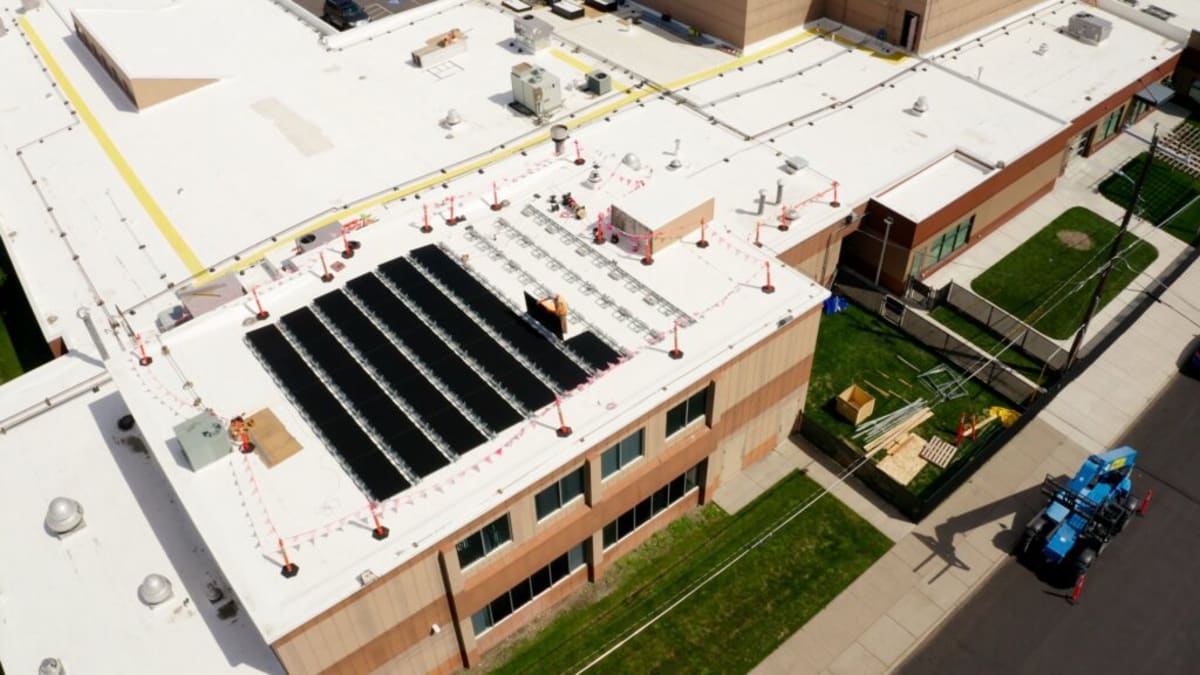
The system goes live at the end of June. Solar panels on the roof generate power during normal operations, reducing energy costs. When the grid fails, batteries kick in to keep essential operations running.
The Ripple Effect
The Spokane microgrid offers a blueprint for other communities facing similar challenges. By combining clean energy technology with emergency preparedness, it shows how infrastructure investments can serve multiple purposes.
Other Washington communities are already watching. The project demonstrates that resilience hubs don't require massive budgets or complex technology, just collaboration between utilities, government, and the people who will actually use them.
The model addresses climate impacts and infrastructure gaps simultaneously. As extreme weather becomes more common, having neighborhood anchors that stay operational during crises becomes essential, not optional.
What makes this project special isn't just the technology but the process. Residents helped determine what "resilience" actually means in their daily lives, ensuring the investment serves real needs rather than theoretical ones.
In a time when extreme weather threatens power grids nationwide, Spokane just showed how communities can take care of their own.
More Images

Based on reporting by Google News - Clean Energy
This story was written by BrightWire based on verified news reports.
Spread the positivity!
Share this good news with someone who needs it