Sports Mascots Now Funding Real Animal Conservation
Over 700 professional sports teams use wild animals as mascots, and scientists have launched a program to turn that billion-fan following into conservation funding. One university program has already proven the concept works.
When a French researcher was playing the video game Madden, he noticed something odd. Animal mascots were everywhere in sports, but those same species were disappearing in the wild.
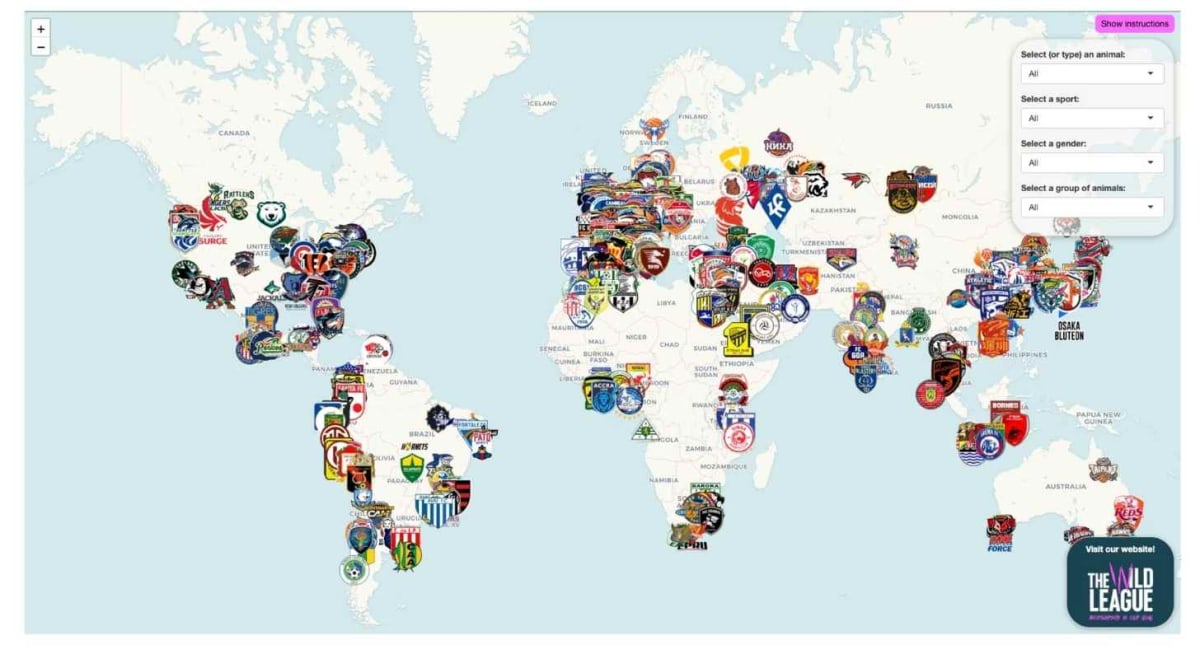
That realization sparked years of research and a groundbreaking solution. Ugo Arbieu from Paris-Saclay University found that 727 professional sports teams across 50 countries use wild animals in their branding. The most popular mascots (lions, tigers, wolves, leopards, and brown bears) are all threatened species.
The numbers represent massive untapped potential. These teams have over a billion combined social media followers who already love their animal mascots.
Arbieu launched The Wild League to bridge that gap. The framework connects sports clubs, sponsors, and fans with real conservation efforts for the species they champion. His pitch is simple: teams profiting from wildlife imagery should invest in protecting those animals.
He calculates that if each club contributed just 0.01% of home game earnings, the impact on conservation would be significant. Right now, The Wild League is reaching out to teams across Europe to build its pilot program.
The Ripple Effect
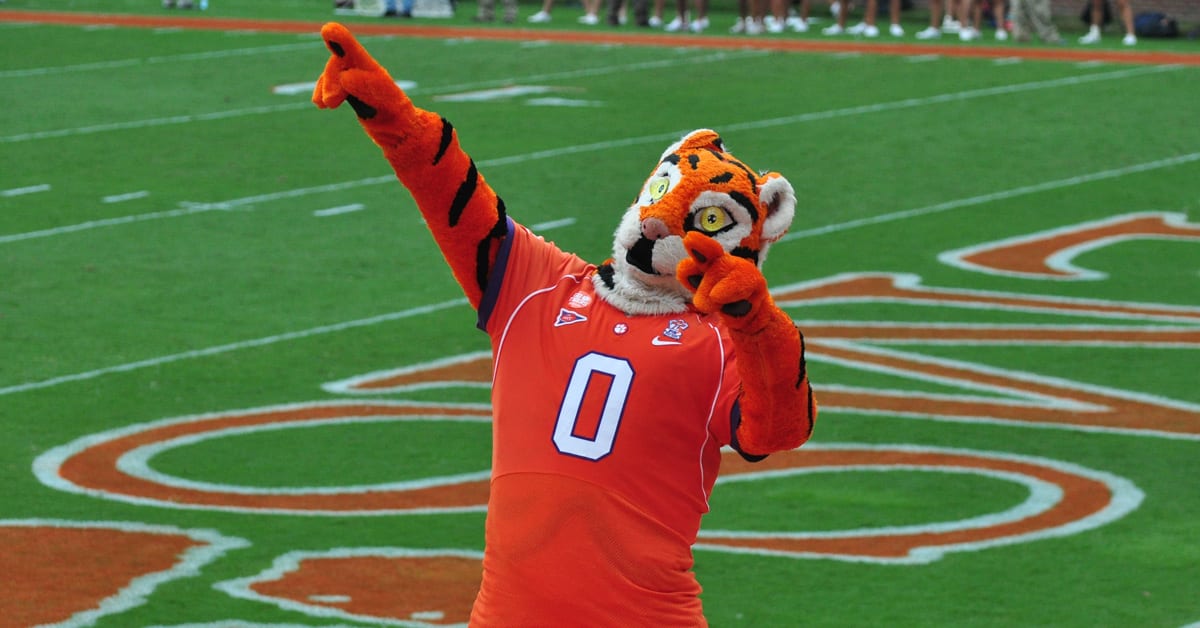
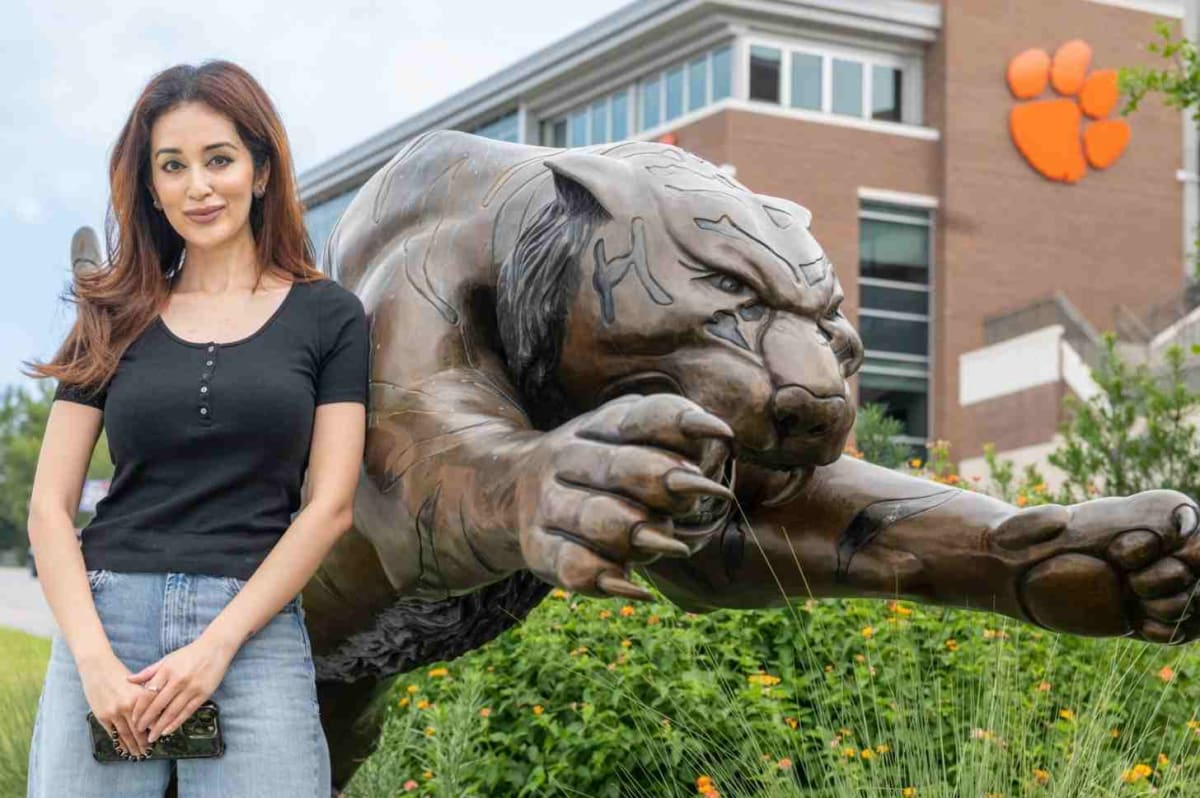
One American program proves this model already works. Clemson University's Tigers United has spent years turning their tiger mascot into real conservation action in India.
The program deployed AI-powered camera traps that identify tigers and alert wildlife managers in under 30 seconds. This technology helps prevent dangerous human-wildlife conflicts before they escalate. Tigers United also connects rural schools in India with South Carolina classrooms for education exchanges.
Greg Yarrow, the program's director and a wildlife ecology professor at Clemson, calls athletics a "megaphone for conservation." With nearly 90,000 people in a football stadium, even $1 per person creates serious funding.
Hrishita Negi grew up near Kanha Tiger Reserve in India where her father worked as director. Now as Tigers United's associate director, she sees how the program succeeds where traditional conservation struggles: mobilizing sustained public support.
The study identified 161 different animal species represented across professional teams, from mammals and birds to insects and sharks. Each one represents an opportunity to educate fans about biodiversity and engage them in protecting nature.
Sports teams compete on the field, but Arbieu envisions them also competing in conservation contributions. The emotional bond fans feel for their mascots could become a powerful force for protecting wildlife worldwide.
More Images

Based on reporting by Good Good Good
This story was written by BrightWire based on verified news reports.
Spread the positivity!
Share this good news with someone who needs it