Springfield Gets $250K NASA Grant for Mars Education
A Missouri science center just won a quarter million dollars from NASA to teach kids how humans will actually get to Mars. The three-year project will create traveling exhibits and free curriculum to inspire the next generation of space explorers.
Kids across America will soon learn exactly what it takes to send humans to Mars, thanks to a Springfield science center that just scored big with NASA.
Discovery Center in Springfield, Missouri announced a $250,000 NASA grant on Friday to fund a three-year education project. The center will create exhibits, curriculum, and teaching tools that explain NASA's Moon to Mars Architecture in ways fifth through eighth graders can understand.
"Our goal is to make it tangible and understandable, and not feel like something that is so far out," said Riana Clark, vice president of education for Discovery Center. "This isn't 'Star Trek.' This is something we could see in our lifetime."
The Moon to Mars Architecture is NASA's roadmap for establishing a long-term human presence on Mars. It includes everything from sustainable life support systems to building a lunar base that will serve as a launching point for Mars missions.
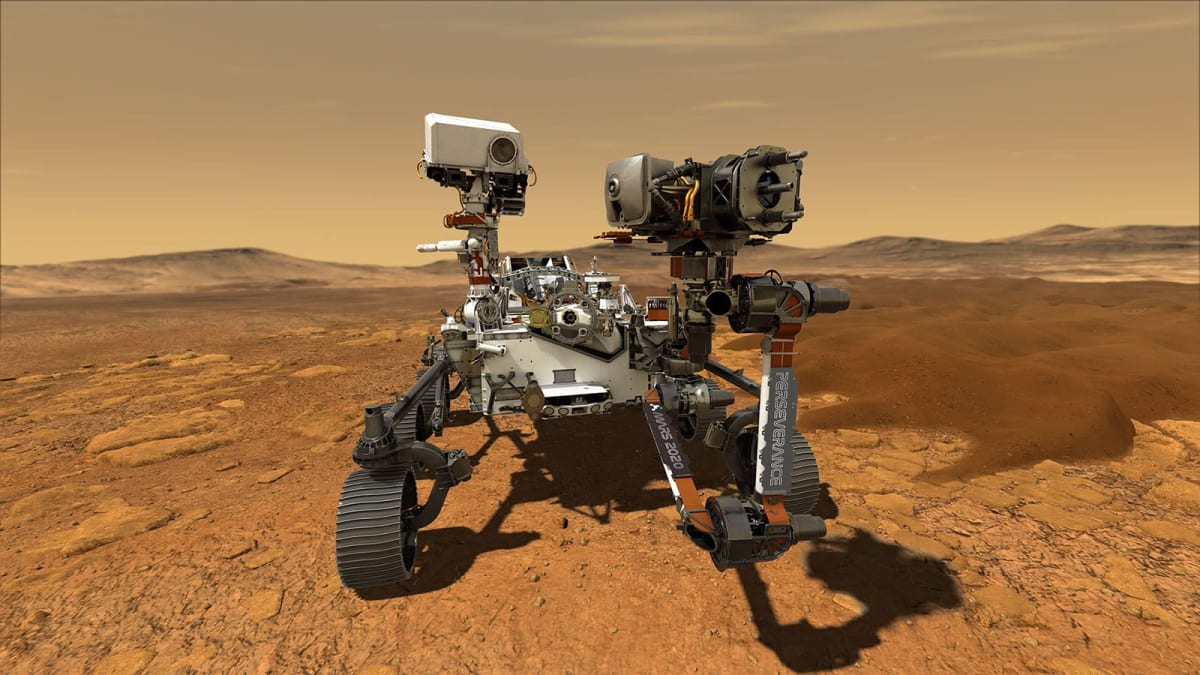
The timing couldn't be better. NASA's Perseverance rover discovered rocks on Mars in September that could hold signs of life similar to Earth's. The only way to study those samples is to physically retrieve them, which means sending astronauts.
Discovery Center is now the only designated STEM innovator in Missouri with this distinction. CEO Tyler Moles said the recognition will boost workforce development and inspire lifelong interest in science fields across the region.
The Ripple Effect
The impact reaches far beyond Springfield's city limits. Once complete, the exhibit will travel to other educational institutions nationwide. The curriculum will be free for anyone to use, from public school teachers to homeschool parents.
The center is actively recruiting educators of all types to help develop the materials. Teachers, librarians, and home educators can express interest through an online survey, with a formal application process opening later. Scholarships may be available for educators outside the region.
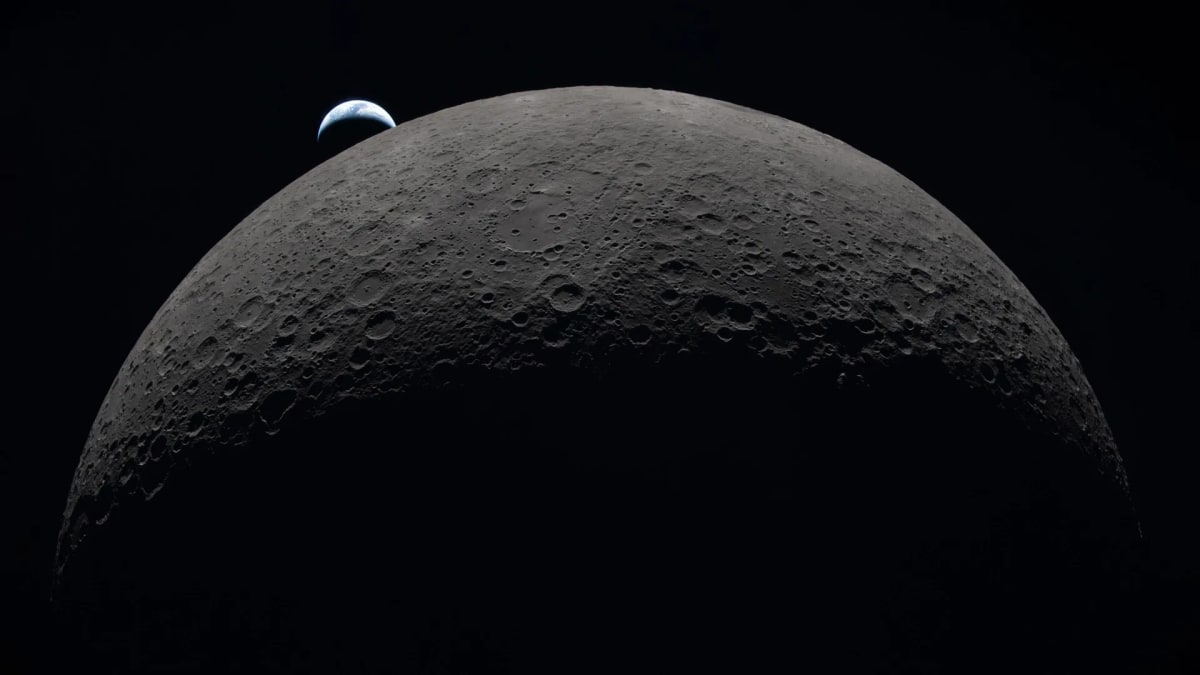
Discovery Center already houses space-focused exhibits, including interactive displays about our solar system and the Smithsonian's "A New Moon Rises" exhibit. That lunar exhibit inspired the team to pursue the NASA grant in the first place.
The goal isn't just to teach kids about space. It's to prepare students to join the workforce that will solve the actual problems standing between humanity and Mars.
Springfield is proving that groundbreaking STEM education doesn't have to come from big coastal cities.
More Images


Based on reporting by Google: NASA discovery
This story was written by BrightWire based on verified news reports.
Spread the positivity!
Share this good news with someone who needs it