Squeaky Desert Frog Gets Global Protection From Mining
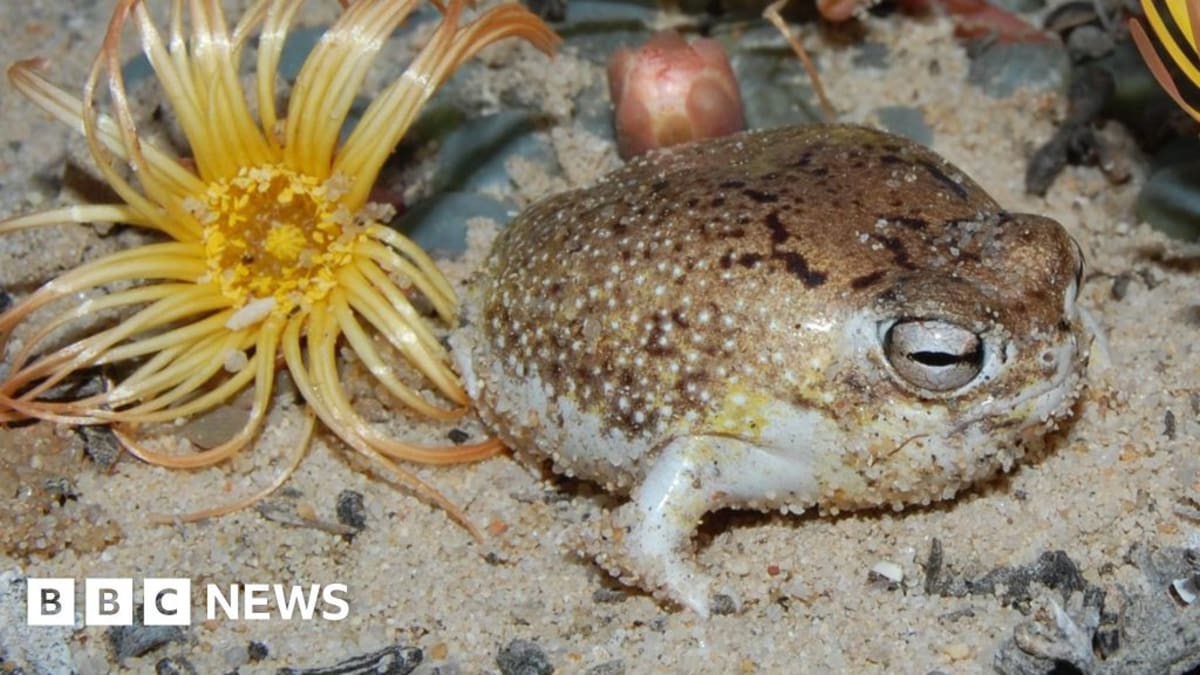
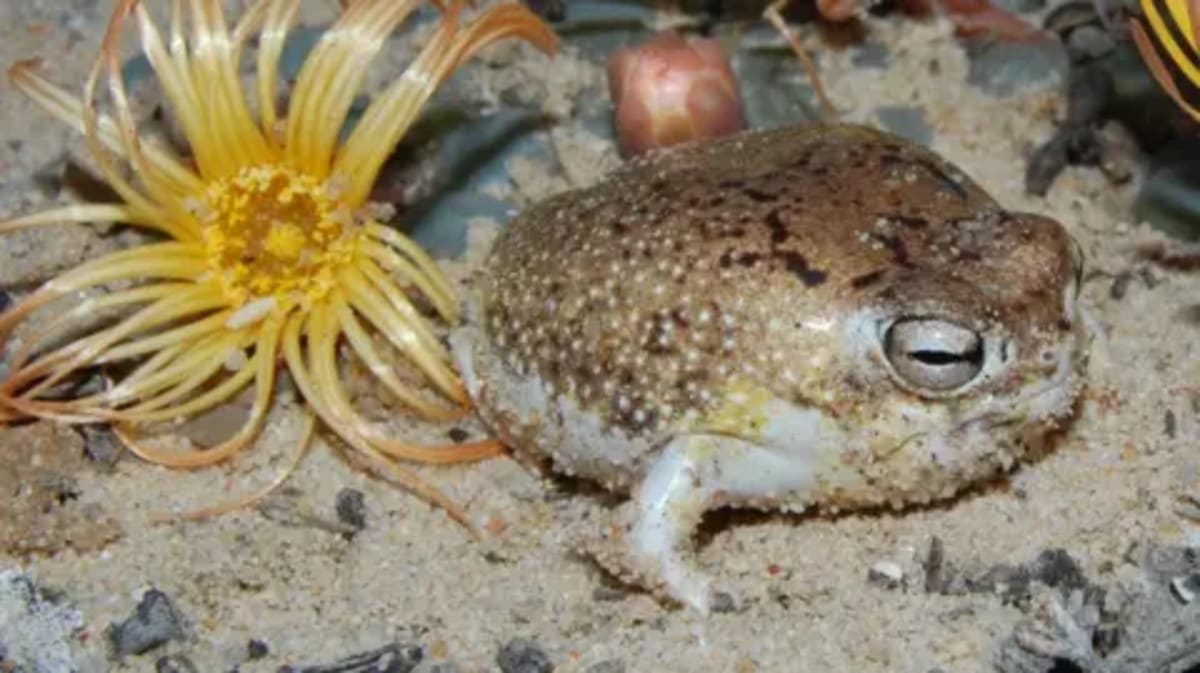
The desert rain frog, famous for its adorable squeaky call that charmed millions online, just received endangered species protection. Conservationists are now fighting to save its unique coastal habitat from mining operations in southern Africa.
A tiny frog with a squeak that melted hearts worldwide is now getting the protection it needs to survive.
The desert rain frog, which lives only in a narrow 6-mile strip of coastal sand dunes between Namibia and South Africa, has been officially listed as at high risk of extinction. The chubby amphibian became an internet sensation years ago when videos of its high-pitched defensive squeak went viral, but fame hasn't protected it from habitat loss.
Diamond mining and energy developments are threatening the frog's very specific home. Unlike most frogs, this species burrows deep into moist sand to escape the harsh desert heat, only coming up to feed and breathe. It can't survive anywhere else on Earth.
Scientists worry the frog's cute appearance could actually work against it. "Frogs that are so unique looking as this can become victims of their own fame," said Benjamin Tapley, curator of amphibians and reptiles at the Zoological Society of London. Some collectors target unusual species for the illegal pet trade.
The International Union for Conservation of Nature now tracks 175,909 species worldwide, with 49,505 facing extinction threats. Species adapted to extreme environments like the desert rain frog are increasingly vulnerable as habitat loss accelerates across the planet.
The Bright Side
Conservation scientist Alex Lawrence remains optimistic despite the challenges. His focus is on ensuring mining companies restore habitats to a condition where desert rain frogs can return after mineral extraction ends.
The listing itself represents progress. Global recognition means increased funding, research attention, and legal protection for the species and its habitat. "While it is now at risk of extinction, it is still far from being lost entirely," Lawrence said.
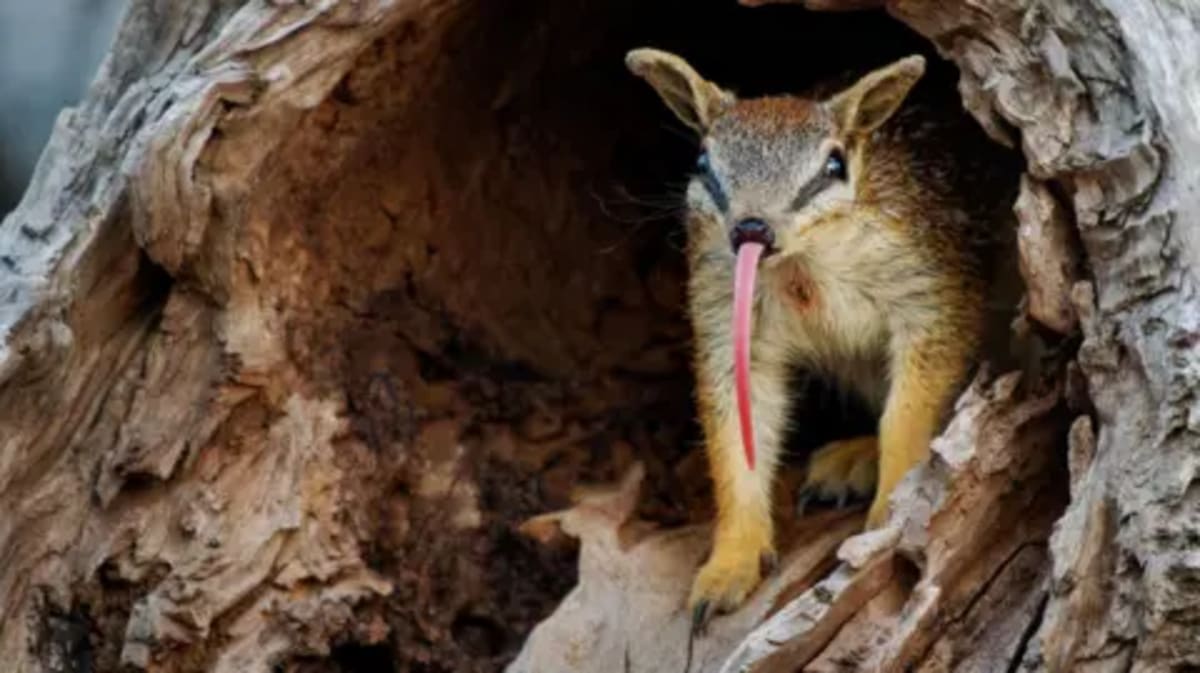
Success stories prove conservation works. The numbat, a small Australian marsupial once reduced to just a few hundred animals, is now making a remarkable comeback thanks to decades of dedicated conservation efforts. The tiny creature's recovery shows that even species on the brink can bounce back with enough support.
For the desert rain frog, protection came just in time. "Because they're so rare, it's exciting when you finally find one," Lawrence added. Now the real work of saving them can begin.
More Images
Based on reporting by BBC Science
This story was written by BrightWire based on verified news reports.
Spread the positivity!
Share this good news with someone who needs it