Sri Lanka Fights Dengue Surge with New Prevention Push
Sri Lanka is ramping up its battle against dengue after recording over 56,000 cases in seven months, with health officials mobilizing community action and targeting mosquito breeding sites. The country's intensified response shows how communities can tackle public health challenges together.
When dengue cases started climbing in Sri Lanka, health officials knew they had to act fast. The island nation recorded 56,422 cases between January and July, surpassing last year's entire total of 51,000 cases.
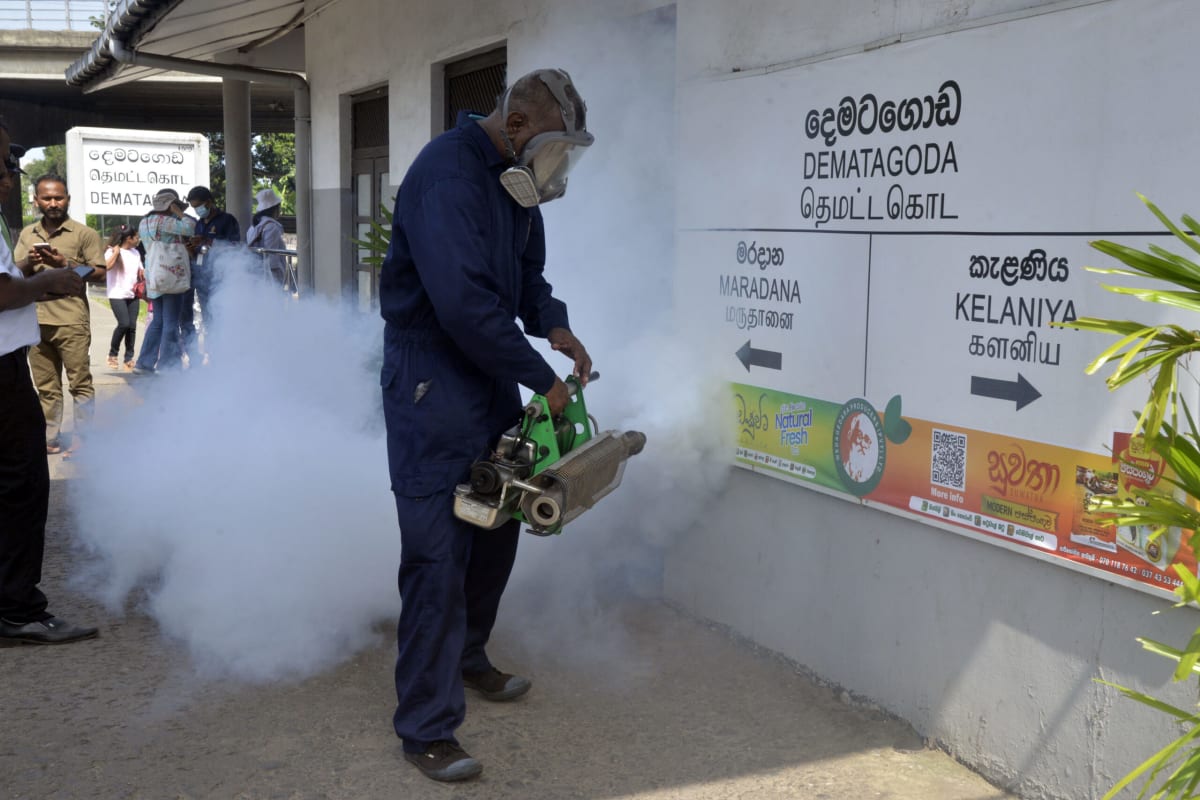
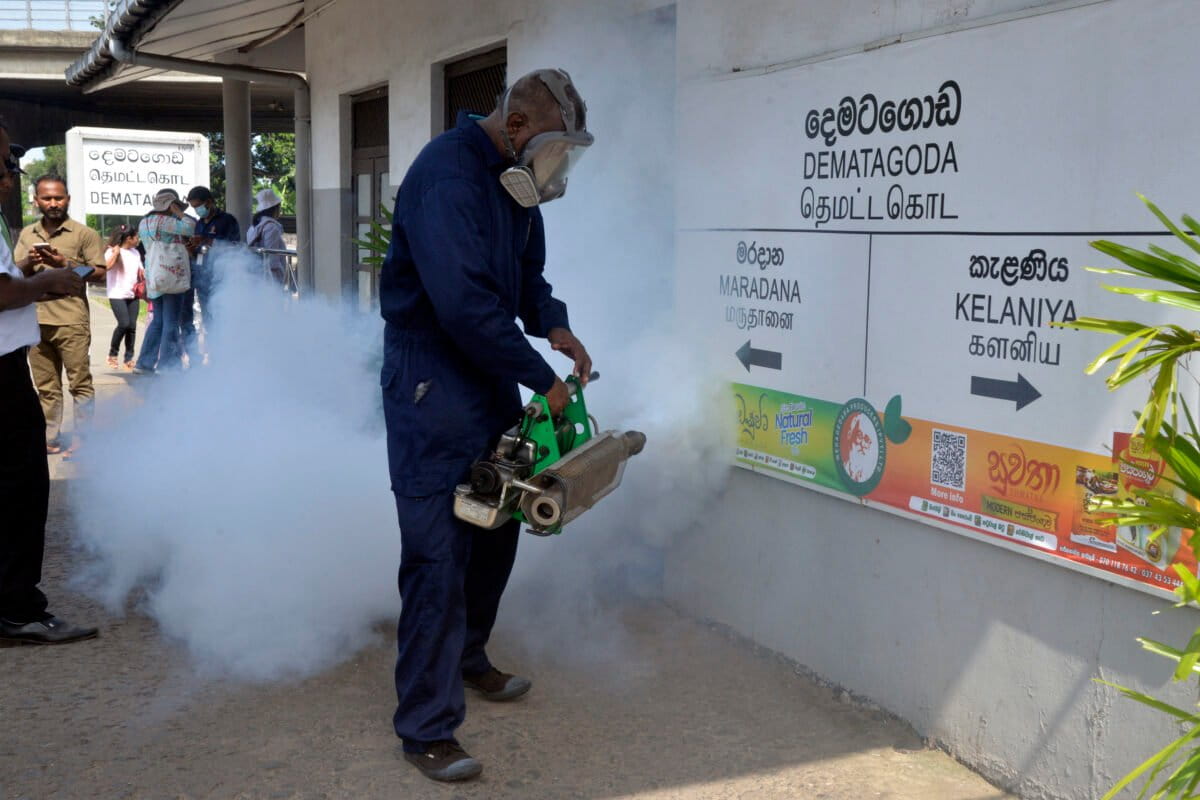
The government launched an aggressive response. Municipal workers began fumigating high-risk neighborhoods, while health inspectors increased monitoring of potential mosquito breeding sites in urban areas.
Dr. Preshila Samaraweera from Sri Lanka's National Dengue Control Unit identified the main culprit: DENV-2, one of four dengue serotypes now dominating infections. The team quickly adapted their strategy to target this specific strain.
Health Minister Nalinda Jayatissa mobilized resources to prevent hospitals from becoming overwhelmed. The early warning allowed healthcare facilities to prepare for the surge and ensure adequate staffing and supplies.
Urban areas in districts like Colombo, Gampaha, and Matara saw the highest case counts. Public health teams focused their efforts where population density made transmission more likely.
Professor Neelika Malavige from the University of Sri Jayewardenepura put the outbreak in perspective: globally, 2024 saw over 14 million dengue cases. Despite its current surge, Sri Lanka has maintained relatively lower rates since its 2017 outbreak, which affected 186,000 people.
The country's tropical climate creates ideal conditions for Aedes mosquitoes, which thrive in temperatures between 26 to 30 degrees Celsius. Understanding these patterns helps officials time prevention campaigns around the May to July and October to December monsoon seasons.
The Ripple Effect
Sri Lanka's coordinated response demonstrates how public health systems can adapt quickly when faced with infectious disease threats. The country's surveillance networks detected the surge early, allowing officials to deploy resources before the healthcare system reached capacity.
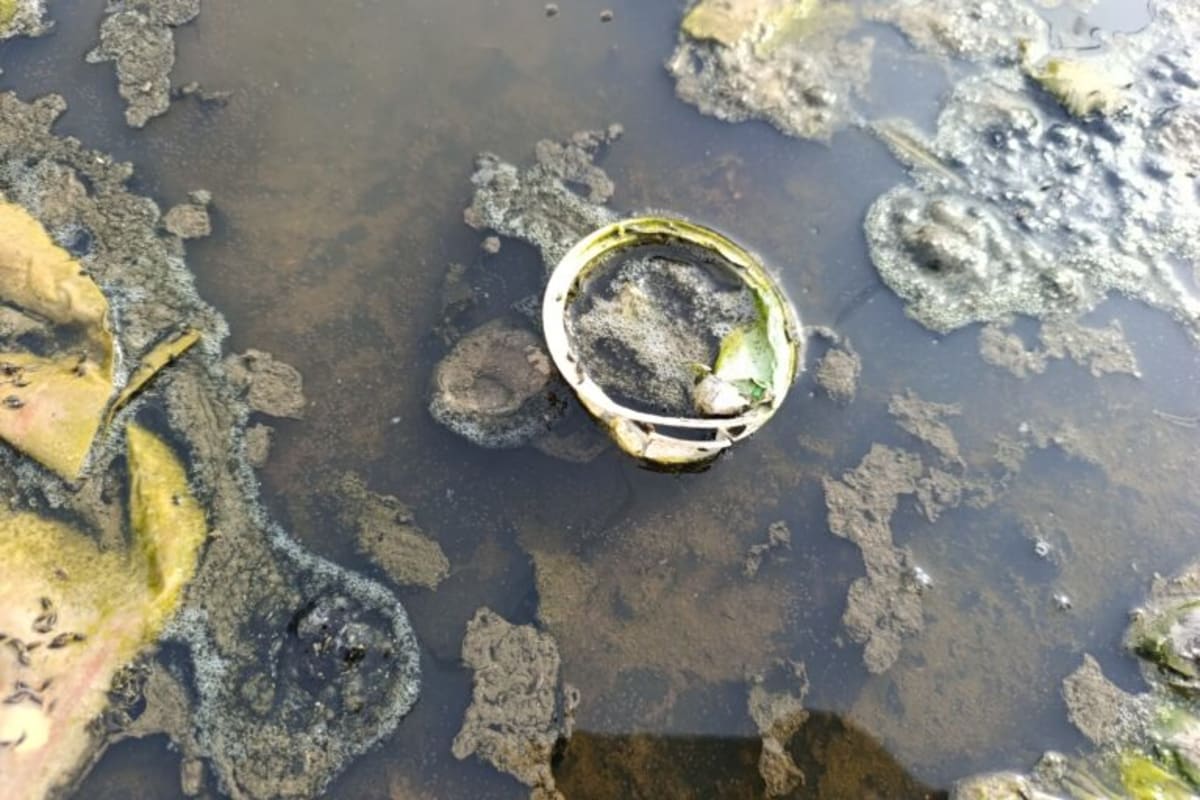
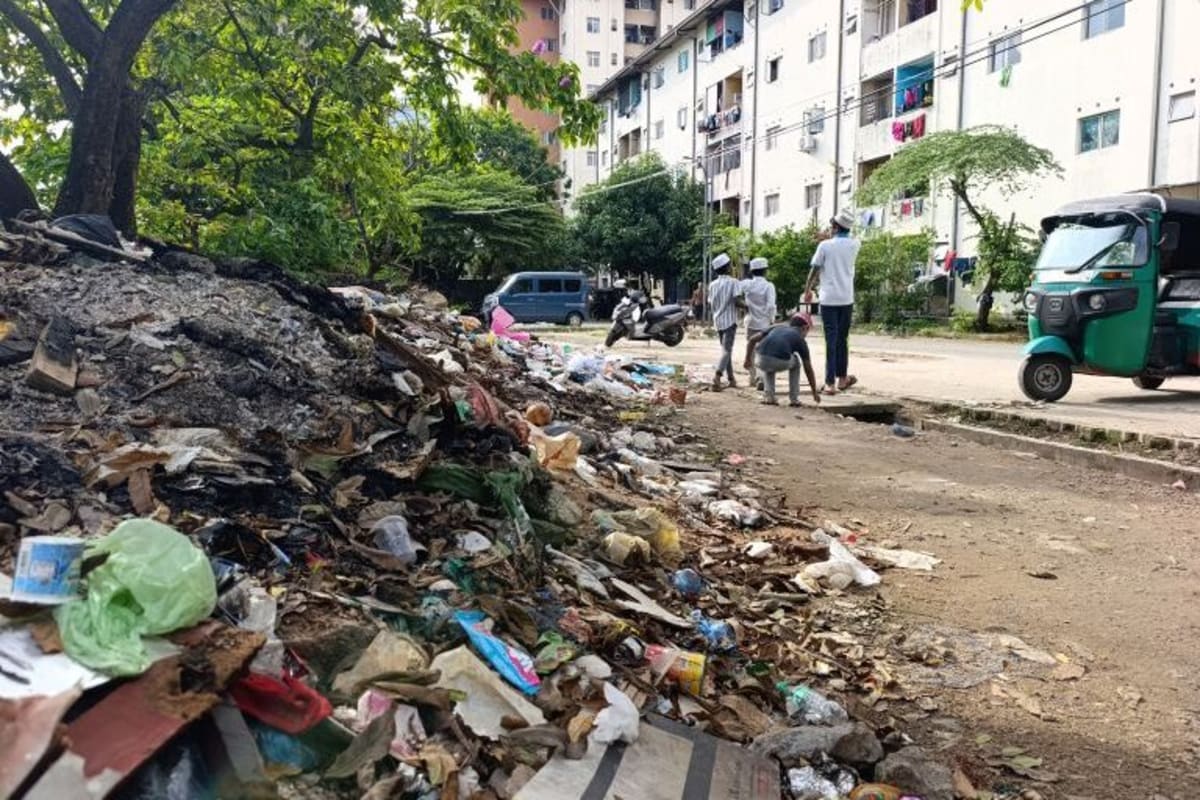
Communities are stepping up too. Residents increasingly understand that eliminating standing water and proper waste disposal directly protect their neighbors from infection.
The collaboration between government agencies, healthcare workers, and local communities creates a model other dengue-affected regions can learn from. When everyone plays a role in prevention, transmission rates can be controlled even during peak seasons.
Sri Lanka's fight against dengue shows that with swift action, scientific monitoring, and community engagement, countries can manage public health challenges and protect their most vulnerable citizens.
More Images

Based on reporting by Mongabay
This story was written by BrightWire based on verified news reports.
Spread the positivity!
Share this good news with someone who needs it