Sri Lanka Rebounds: Economy Grows 5% After Historic Crisis
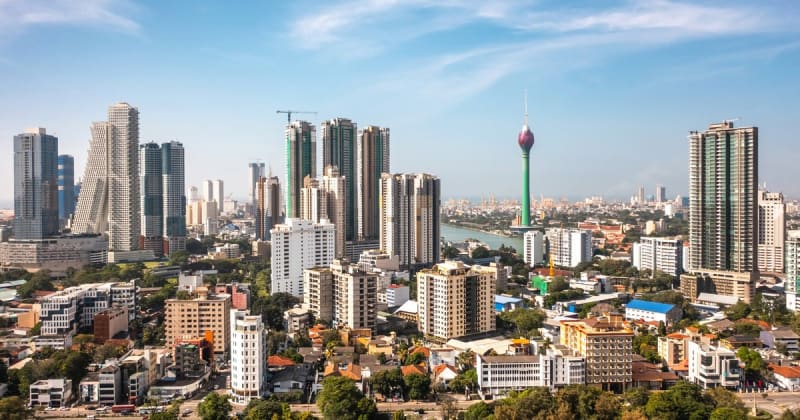
Just three years after its worst economic collapse since independence, Sri Lanka has achieved eight straight quarters of growth and restored international confidence. The island nation's dramatic turnaround shows how determined reform can rebuild trust even after a full-scale crisis.
In 2022, Sri Lanka faced its darkest economic hour since gaining independence, with daily life defined by fuel queues, empty shelves, and rolling blackouts. Today, the island nation is celebrating eight consecutive quarters of economic growth at around 5%, proving that even the deepest crisis can be overcome with courage and commitment.
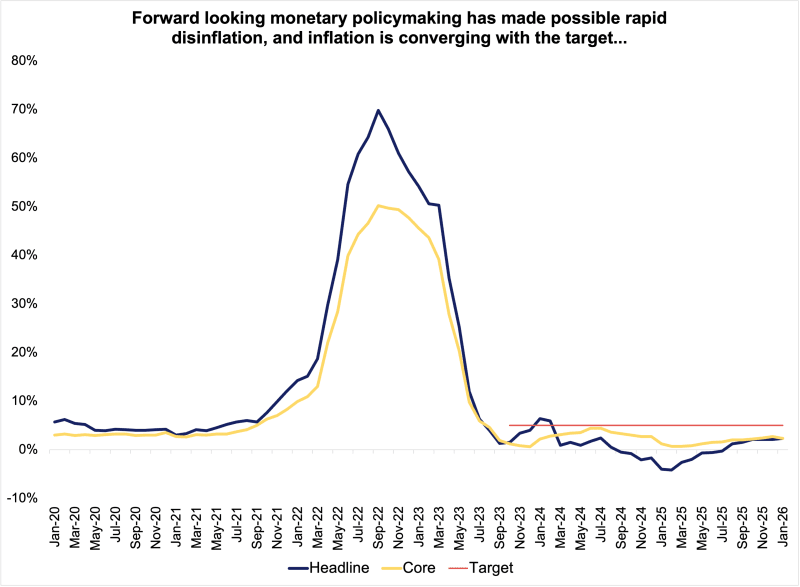
The collapse was severe. Inflation hit nearly 70%, the economy shrank by 7.3%, and the currency plummeted as reserves ran dry. Citizens waited in endless lines for essentials while power cuts stretched for hours.
The government's response was painful but decisive. Officials tightened monetary policy, declared a debt standstill, and cut non-essential spending while protecting the most vulnerable through expanded social programs. They invited the International Monetary Fund to conduct the region's first Governance Diagnostic, signaling a serious commitment to transparency.
The turnaround came faster than anyone expected. By late 2023, the economy was growing again. Inflation dropped to single digits within ten months and now hovers near the Central Bank's 5% target.
Tourism has broken previous records while remittances from overseas workers have reached historic highs. Three straight years of current account surpluses allowed the Central Bank to rebuild reserves through market purchases. Government revenues have climbed above 15% of GDP, replacing years of deficits with three consecutive primary surpluses.
Beyond the numbers, Sri Lanka rewrote the rules. Parliament passed new laws enshrining Central Bank independence, banning monetary financing of deficits, and establishing binding fiscal responsibility rules. The country operationalized its Anti-Corruption Commission and created a Public Debt Management Office to prevent future crises.
The Ripple Effect
Sri Lanka's recovery is restoring hope across the Global South. Countries watching nervously as economic pressures mount now have a roadmap showing that determined reform can work, even when the political costs seem unbearable. International investors are responding with renewed confidence, reflected in improving sovereign ratings.
The IMF program remains on track despite challenges like Cyclone Ditwah, with four reviews completed and more scheduled. The country has consistently met demanding targets that observers once deemed politically impossible.
The journey isn't finished. Sri Lanka must now shift focus toward growth-oriented reforms including export diversification, investment promotion, and digital transformation. The goal is moving beyond borrowed credibility from international institutions to build self-sustaining trust through continued sound policymaking.
What seemed impossible three years ago is now reality: a nation that lost everything has found its footing again.
More Images

Based on reporting by Google News - Recovery Story
This story was written by BrightWire based on verified news reports.
Spread the positivity!
Share this good news with someone who needs it