St. Augustine Celebrates Its Hidden Revolutionary Role
America's oldest city is sharing forgotten stories of its role as Britain's 14th colony during the Revolution. Free walking tours this summer reveal how Florida loyalists, imprisoned founding fathers, and the nation's first free Black settlement shaped American history.
While most Americans picture Boston or Philadelphia when thinking about the Revolution, St. Augustine is shining a light on its own surprising chapter in America's founding story.
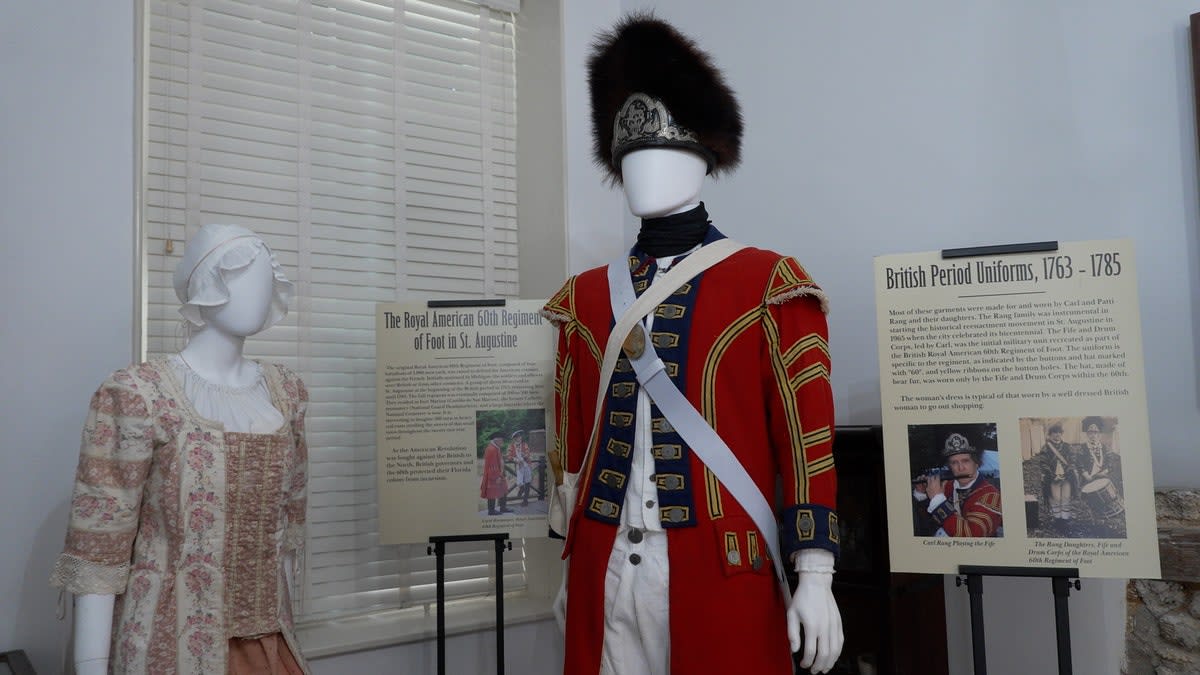
The 461-year-old Florida city served as Britain's 14th colony during the Revolutionary War, a fact largely missing from history textbooks. When Britain took control from Spain in 1763, Florida split into East and West Florida, with St. Augustine becoming a loyalist stronghold while patriots fought for independence up north.
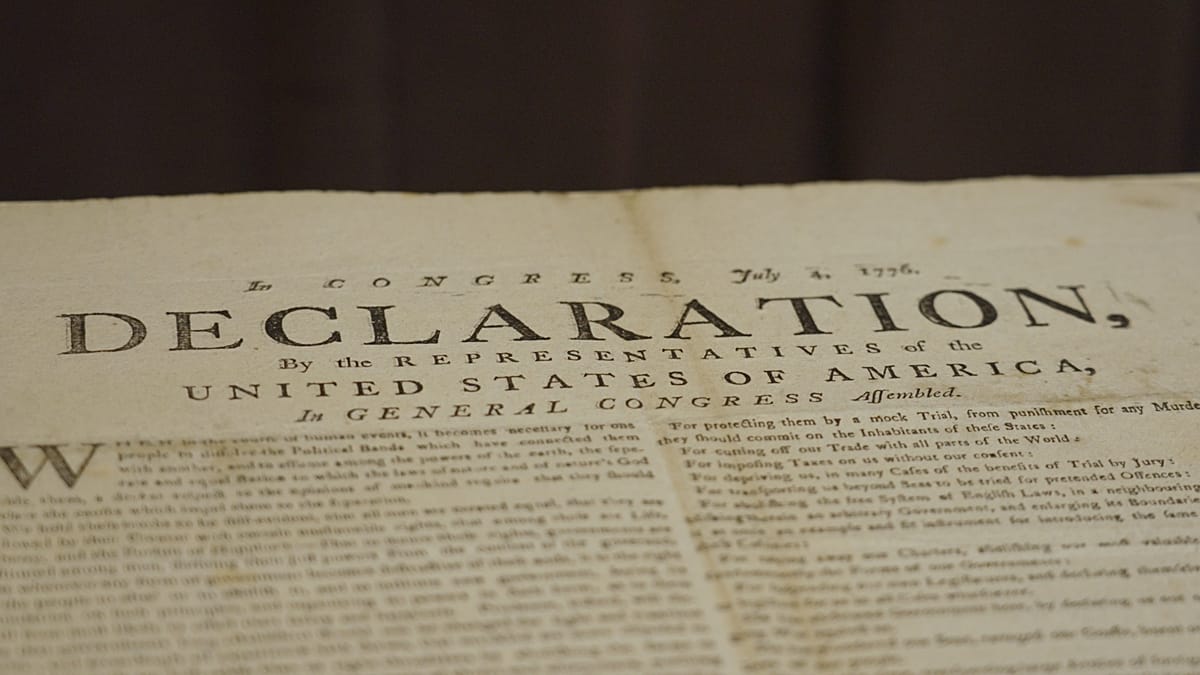
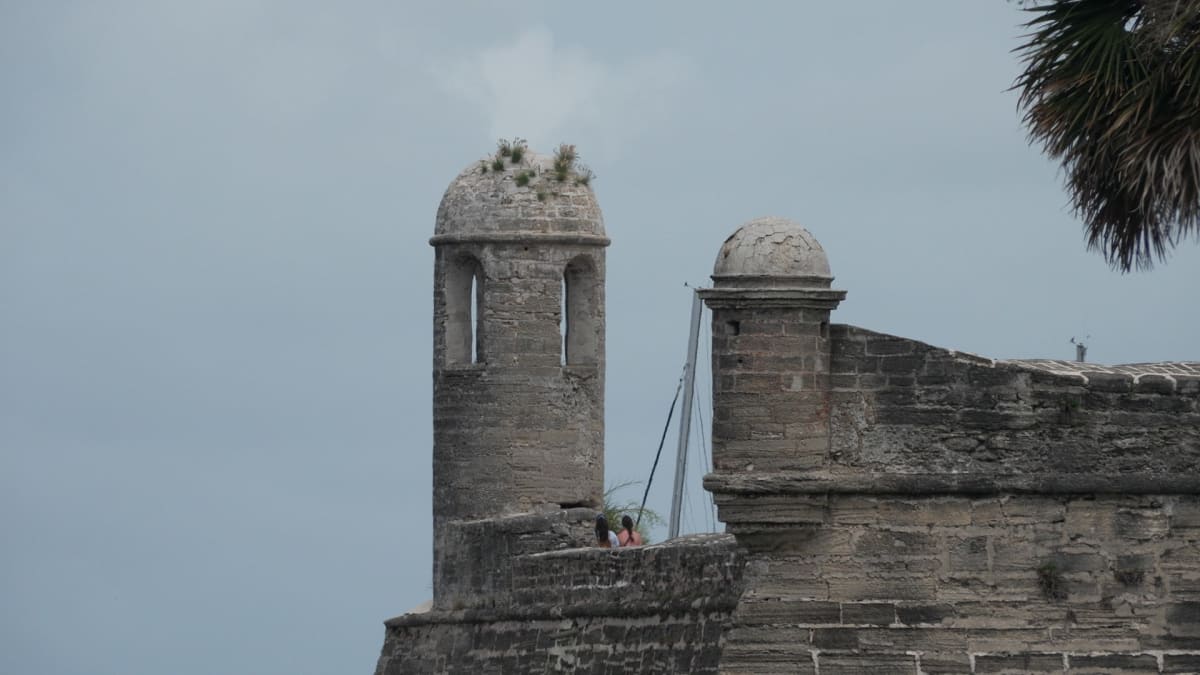
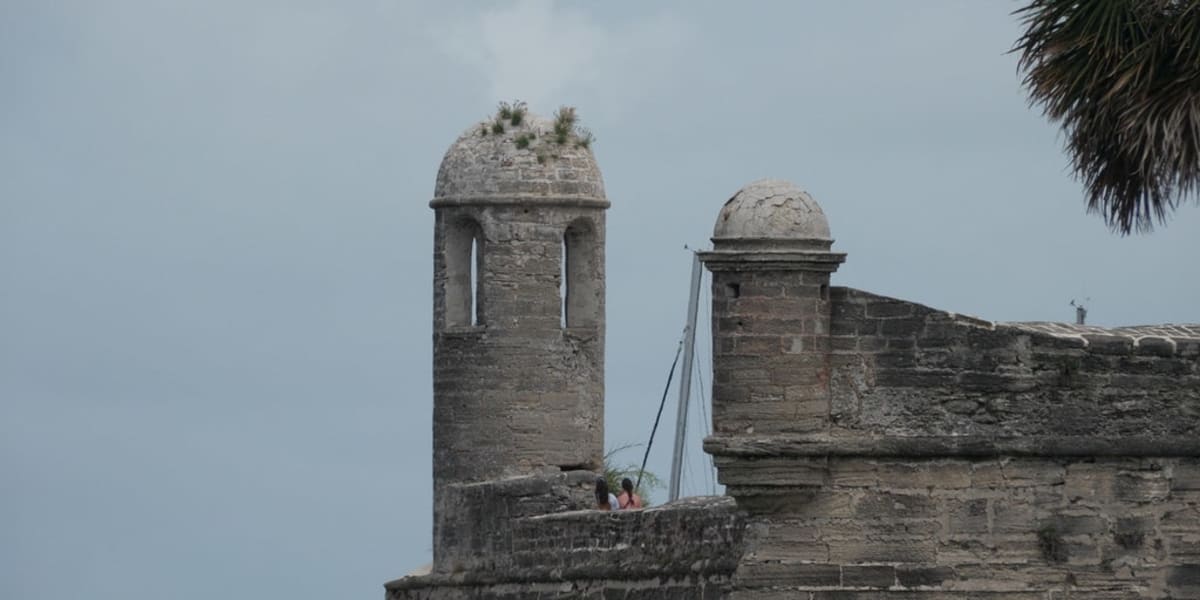
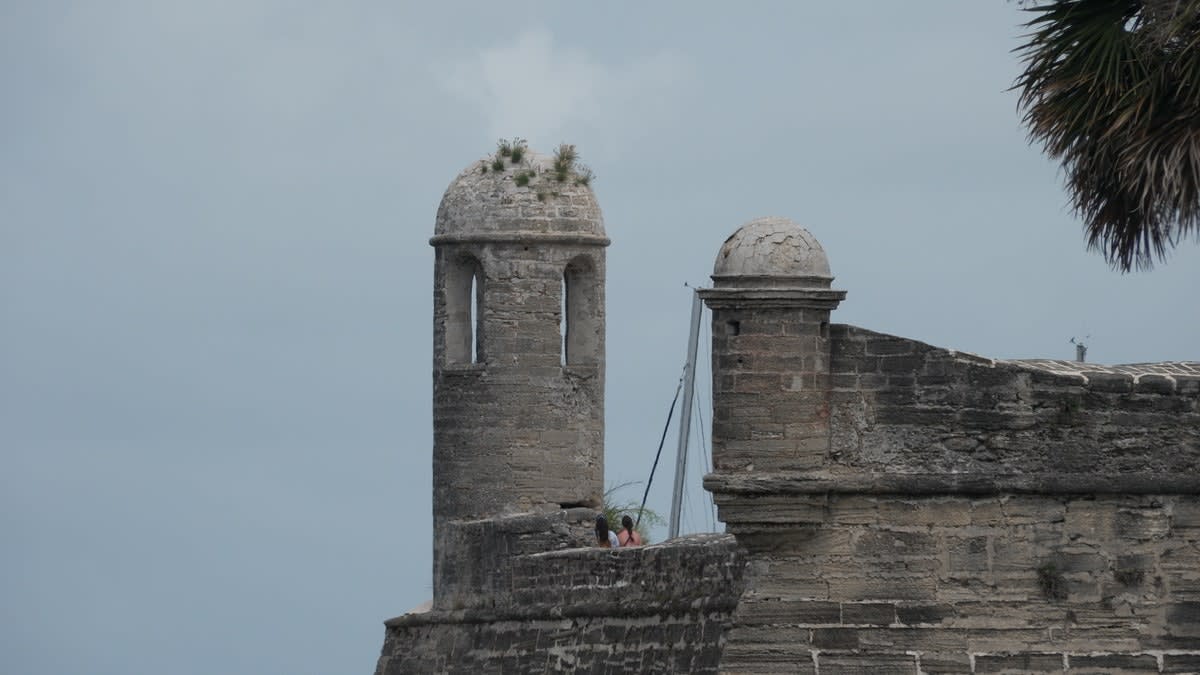
The city's role went beyond simple loyalty to the crown. Three signers of the Declaration of Independence spent four months imprisoned at the Castillo de San Marcos fort. Thousands of British loyalists from Georgia and South Carolina fled to Florida's safe harbor during the war years.
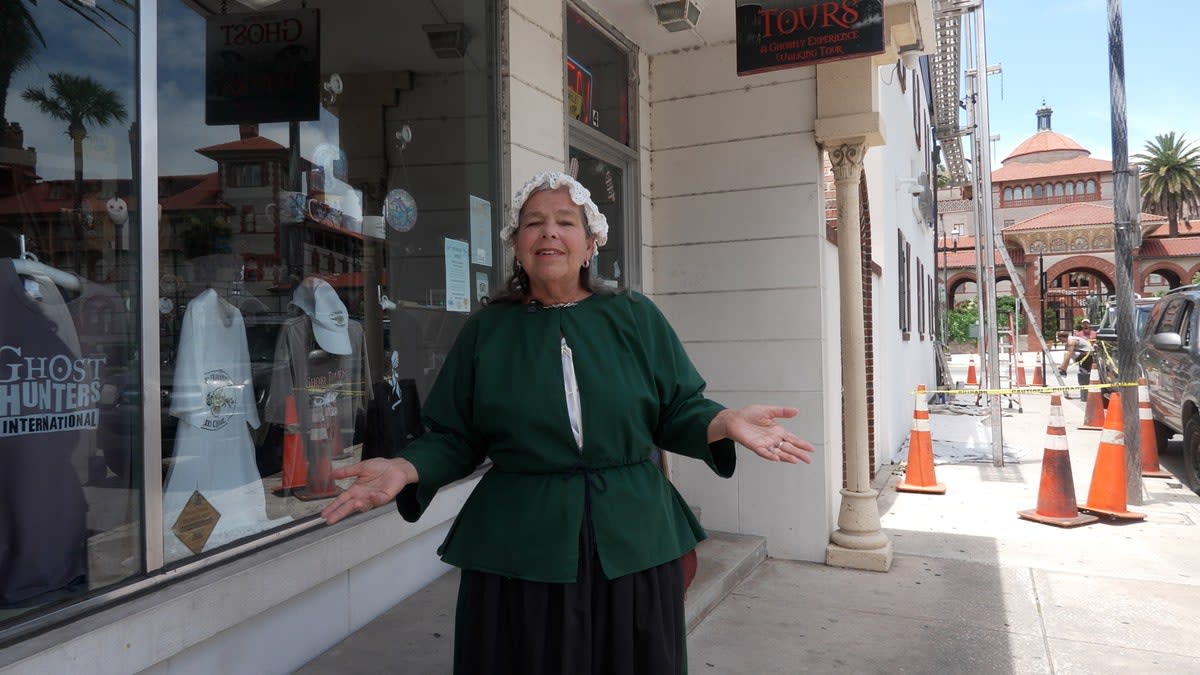
"You can walk up any street and see history and know that this was the foundation of America," said Maria Alvarez with The Historic Florida Militia. The city's colonial buildings and brick roads tell stories that challenge the traditional New England narrative of American beginnings.
St. Augustine also hosted America's first Thanksgiving in 1565, beating Plymouth Rock by 54 years. Spanish settlers celebrated with a Catholic Mass and feast 42 years before Jamestown even existed.
The Ripple Effect
The city's commitment to sharing these overlooked stories extends beyond colonial politics. Fort Mose, founded in 1738 as the first legally sanctioned free Black settlement in what would become the United States, just opened a full-scale replica to visitors in 2025.
St. Augustine City Walks is offering free "Birth of America" tours every Saturday this July, taking visitors through historic streets to uncover tales of loyalists, rebels, and imprisoned patriots. The Peña-Peck House, where British Governor Patrick Tonyn lived during the Revolution, now features exhibits exploring this complex period.
"This is such an interesting city with everything they have here, so it's good for people to learn the history that's not covered in the history books," Alvarez said. Local historians hope these tours help visitors understand that American independence wasn't just won in the 13 colonies everyone learned about in school.
The city is celebrating Independence Day with "Fireworks Over the Matanzas," featuring a free concert and family activities throughout the historic district. Space is limited for the walking tours, and reservations are required.
As America approaches its 250th birthday, St. Augustine proves that the most inspiring history lessons often come from the chapters we forgot to read.
More Images
Based on reporting by Fox News Travel
This story was written by BrightWire based on verified news reports.
Spread the positivity!
Share this good news with someone who needs it