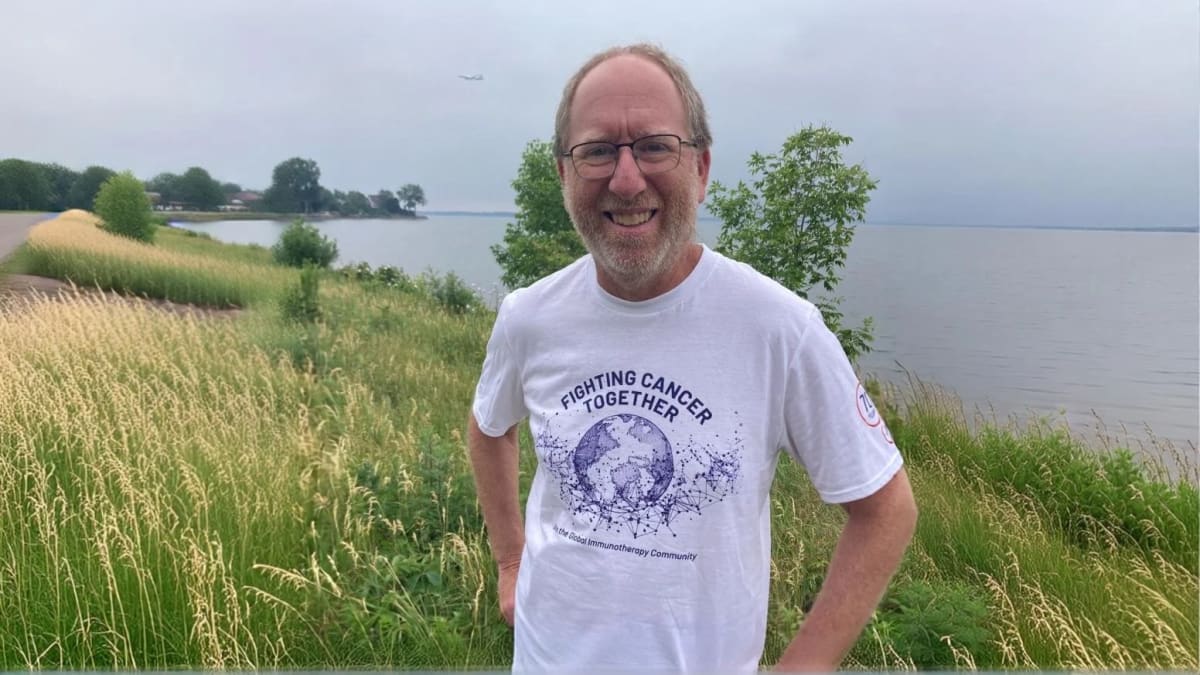
Stage 4 Cancer Survivor Backs Research for Incurable Cases
Gordon Levine beat stage 4 colorectal cancer and now champions research that gives hope to patients once considered untreatable. His message: investing in bold science can turn "incurable" into "survivable."
When Gordon Levine was diagnosed with stage 4 colorectal cancer, the odds weren't in his favor. Today, he's not just a survivor but a powerful voice calling for research that transforms the impossible into reality.
Levine recently shared his perspective with the Cancer Research Institute, emphasizing a critical mission. "It's really, really crucial to make sure that the brightest, best scientists are focusing their efforts on treatments that will help people prolong our lives and maybe even cure people that were incurable," he said.
His words carry the weight of personal experience. Stage 4 colorectal cancer represents the most advanced form of the disease, yet Levine stands as proof that today's cutting-edge treatments can deliver tomorrow's miracles.
The Cancer Research Institute focuses on immunotherapy research, a revolutionary approach that harnesses the body's own immune system to fight cancer. These treatments have turned once-fatal diagnoses into manageable conditions for thousands of patients.
Levine's advocacy highlights a simple truth: the scientists working today are literally inventing the cures of tomorrow. Every breakthrough starts with research that someone believed was worth funding, even when success seemed distant.
The Ripple Effect
Levine's message reaches far beyond his own story. By sharing his journey, he's inspiring both funding and hope for patients currently facing diagnoses that sound impossible to beat.
His advocacy reminds researchers that their work has faces and names attached to it. Every clinical trial, every late night in the lab, every grant application represents real people fighting for more time with their families.
When survivors like Levine speak up, they create a bridge between the scientific community and the patients who need breakthrough treatments most. Their voices help prioritize research funding toward the diseases that need it urgently.
The landscape of cancer treatment has shifted dramatically in recent years. Conditions once considered death sentences now have treatment pathways, thanks to dedicated researchers and the advocates who champion their work.
Gordon Levine's survival isn't just his victory—it's a roadmap showing what becomes possible when brilliant minds focus on the hardest problems.
More Images


Based on reporting by Google News - Cancer Survivor
This story was written by BrightWire based on verified news reports.
Spread the positivity!
Share this good news with someone who needs it