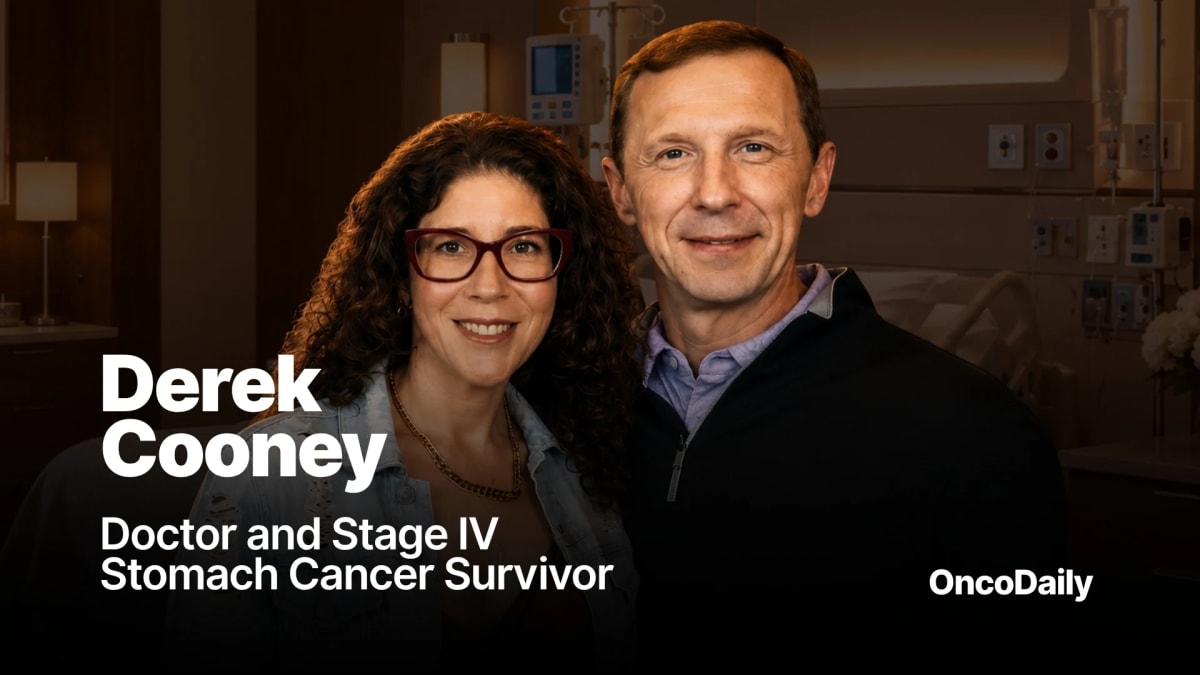
Stage 4 Stomach Cancer Survivor Returns to Medicine
Emergency physician Derek Cooney beat aggressive stage 4 stomach cancer through a groundbreaking clinical trial at MD Anderson. Just months after treatment, he completed his pain management fellowship and returned to caring for patients.
When emergency physician Derek Cooney received a stage 4 stomach cancer diagnosis at 48, his first thought wasn't about himself. "After I got over the initial shock, then anger, I immediately thought, 'Thank God it's not my wife or kids,'" he said.
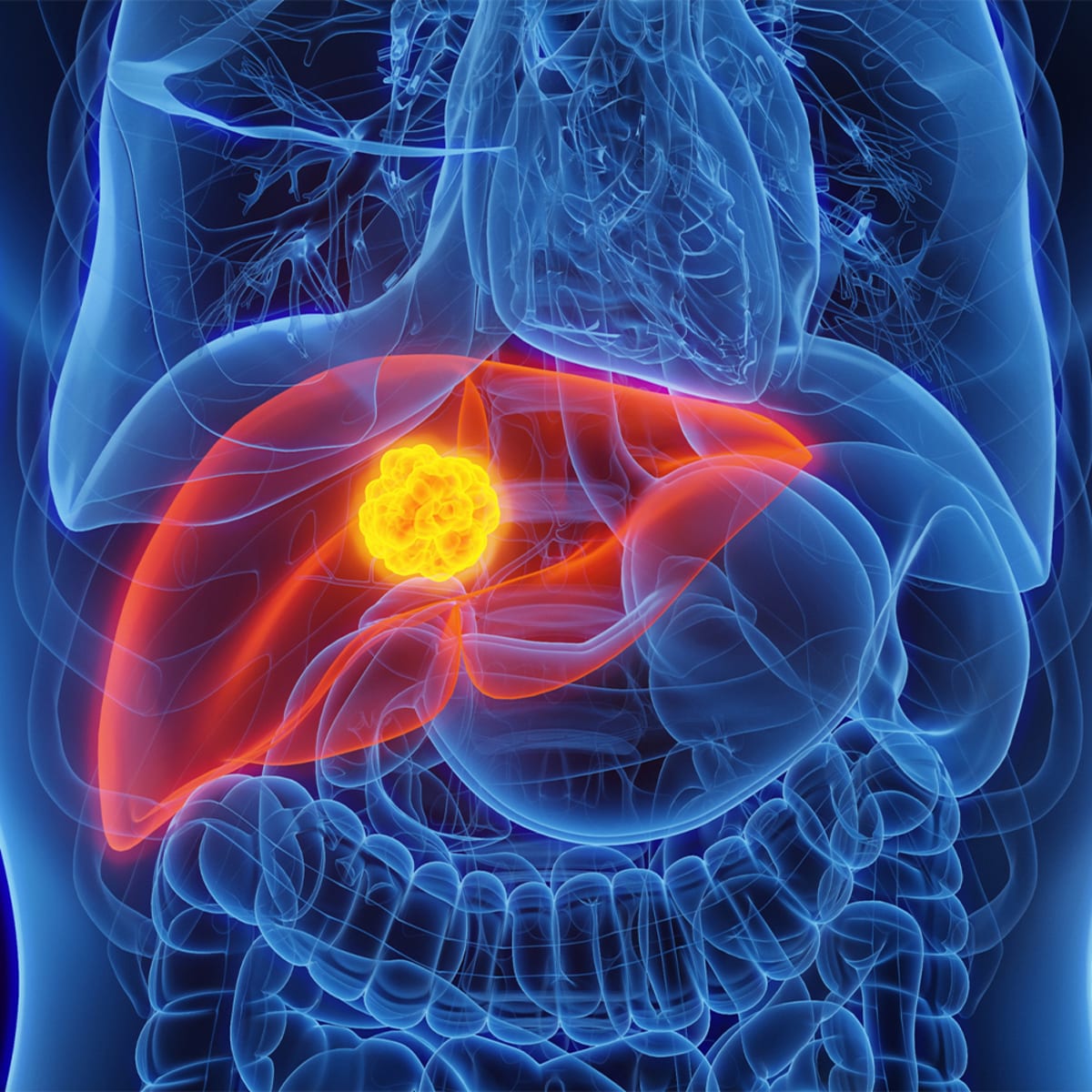
The upstate New York doctor had been managing reflux symptoms for years when he suddenly couldn't eat or drink. Tests at his own hospital revealed diffuse gastric adenocarcinoma, an aggressive stomach cancer that had already spread throughout his abdomen.
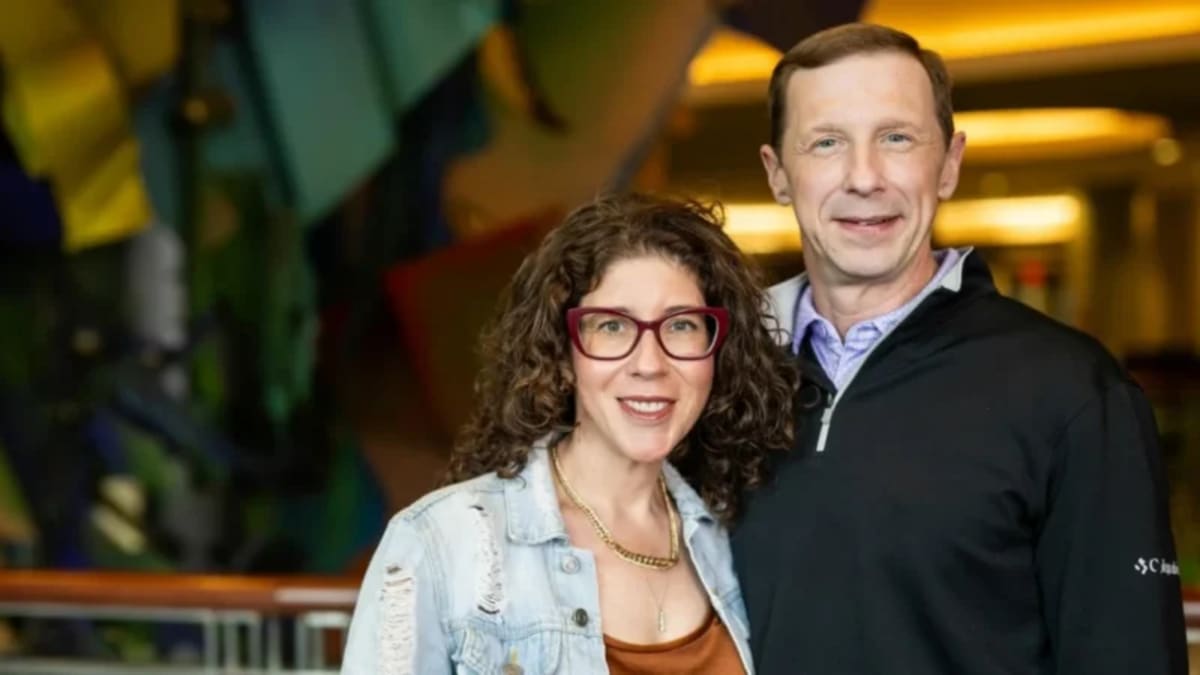
Cooney began intensive chemotherapy locally, but he and his wife Norma, also an emergency physician, refused to accept that no other options existed. "As doctors, Norma and I have seen so many patients overcome the odds," he said. "We believed I could, too."
They reached out to multiple cancer centers searching for clinical trials. Most said none were available for his specific disease stage.
Then MD Anderson called back. The multidisciplinary team had reviewed his case and found a trial he qualified for. Within two weeks of getting pneumonia during treatment, Cooney was enrolled.
The trial combined a novel approach: chemotherapy delivered directly into the abdominal cavity through an implanted port, followed by surgery to remove his entire stomach and remaining cancer tissue. Between October 2024 and April 2025, Cooney completed the full protocol including six cycles of targeted chemotherapy and major surgery.
His determination never wavered. Even while undergoing treatment, he applied for a pain management fellowship he'd planned to start before his diagnosis. "I had faith that I was going to beat cancer," he said.
In June 2025, scans showed no evidence of disease. That same month, Cooney completed his fellowship.
Why This Inspires
Cooney's journey represents more than one doctor's survival story. His willingness to seek multiple opinions and advocate for himself opened doors that seemed closed. The personalized medicine approach that saved his life is now helping researchers understand how to treat other patients with similar cancers.
His experience as both physician and patient has transformed how he practices medicine. He now emphasizes the importance of treating each patient as an individual, especially with complex diseases where standard protocols may not be enough.
"I knew I was going to become a pain management doctor, and facing cancer was just one more thing I needed to make sure I was going to be a good one," he said.
Today, Cooney is back to caring for patients, carrying lessons from both sides of the medical experience into every interaction.
More Images


Based on reporting by Google News - Cancer Survivor
This story was written by BrightWire based on verified news reports.
Spread the positivity!
Share this good news with someone who needs it

.jpg)