Stanford AI Scientists Work Independently in Virtual Labs
Researchers at Stanford Medicine have created AI agents that can run experiments, generate hypotheses, and make discoveries with minimal human oversight. These virtual co-scientists are already transforming how research gets done, turning complex scientific tasks into collaborative projects between humans and machines.
Scientists at Stanford Medicine are no longer working alone in their labs. They've gained new colleagues that never sleep, never take breaks, and can tackle multiple research projects simultaneously.
These colleagues are AI agents, advanced artificial intelligence systems that go far beyond answering questions. They can actually perform scientific work independently, from designing experiments to writing research papers.
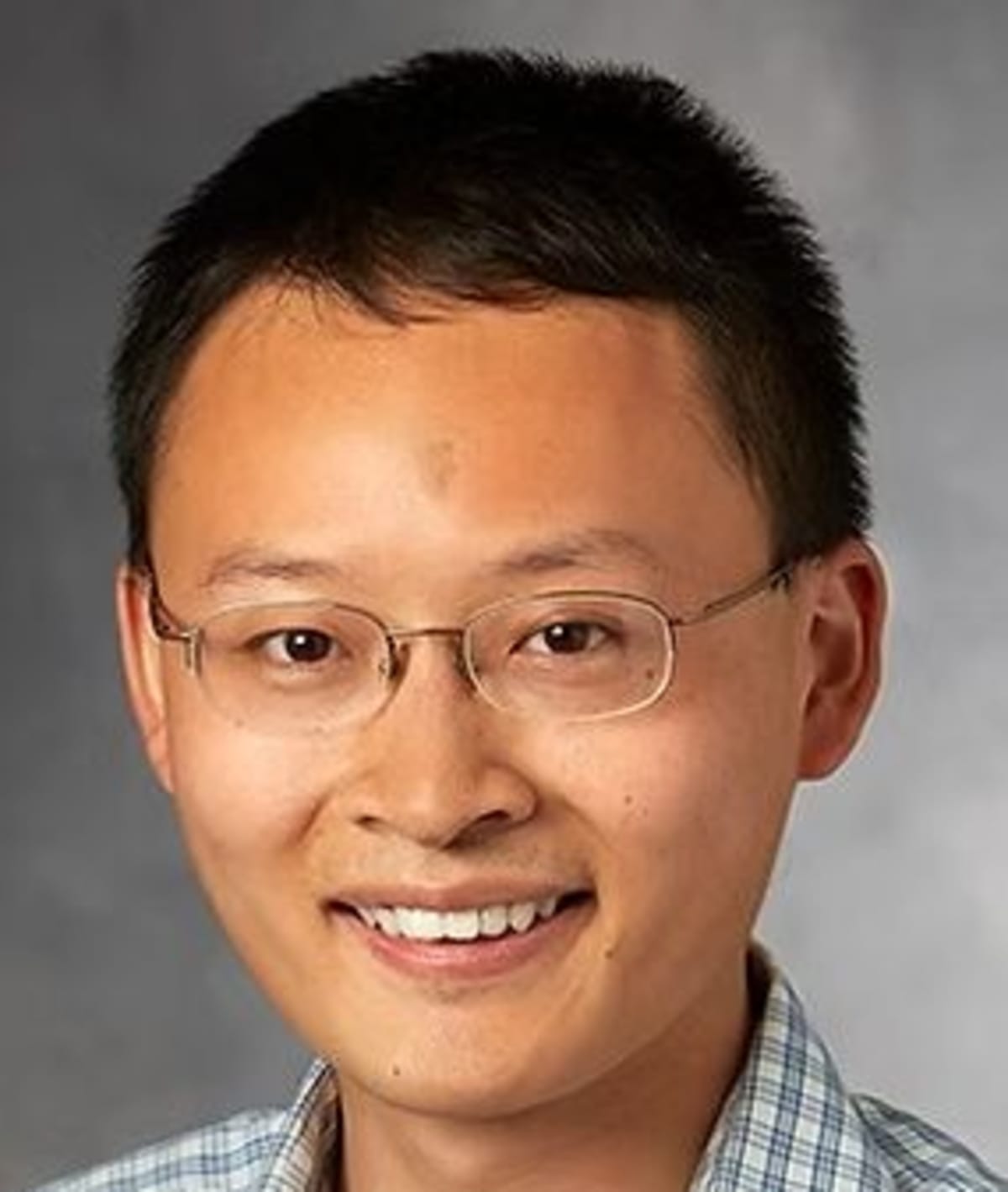
Dr. James Zou, an associate professor of biomedical data science at Stanford Medicine, leads this frontier. His lab has developed several AI agents that function like a virtual biotech company and research laboratory, each one capable of pursuing scientific goals with minimal supervision.
The shift represents a major leap from traditional AI chatbots. While those systems could only share information, these new agents can take action. They use tools, analyze data, create hypotheses, and even debate scientific questions with each other.
Zou's team brought historical scientists like Albert Einstein and Richard Feynman back as AI personas to discuss and debate research problems. They've also created Paper2Agent, which transforms published scientific papers into interactive agents that can answer questions about the research and engage with other studies.
The agents work across nearly every stage of research in Zou's lab. They help refine project ideas, strengthen experimental designs, and review manuscripts before journal submission. In some projects, the AI agent serves as the lead researcher, handling most of the work while humans provide oversight.
What makes these agents accessible is their ability to understand regular human language. Scientists don't need special programming skills to collaborate with them. They can simply talk to the agents like research assistants, assigning tasks and receiving results.
The Ripple Effect
The technology could dramatically accelerate scientific discovery across biomedical research. By handling time-consuming tasks like literature reviews, data analysis, and experimental design, AI agents free human researchers to focus on creative problem-solving and breakthrough thinking.
Zou envisions a future where virtual laboratories run continuously, testing hypotheses and exploring scientific questions around the clock. His virtual biotech company already investigates potential drug targets and development strategies, work that traditionally requires teams of human researchers and years of effort.
The agents can also take on different roles and personalities, adapting their approach based on what the research needs. One might function as a cautious peer reviewer, while another takes bold creative risks in hypothesis generation.
This collaboration between human creativity and AI capability represents a new model for scientific progress. Researchers maintain control and provide crucial oversight, while their AI partners handle the heavy lifting of data processing, literature synthesis, and experimental execution.
The future of discovery might look less like lone scientists in labs and more like dynamic partnerships between human insight and tireless digital collaborators working toward shared goals.
More Images

Based on reporting by Google: scientific discovery
This story was written by BrightWire based on verified news reports.
Spread the positivity!
Share this good news with someone who needs it