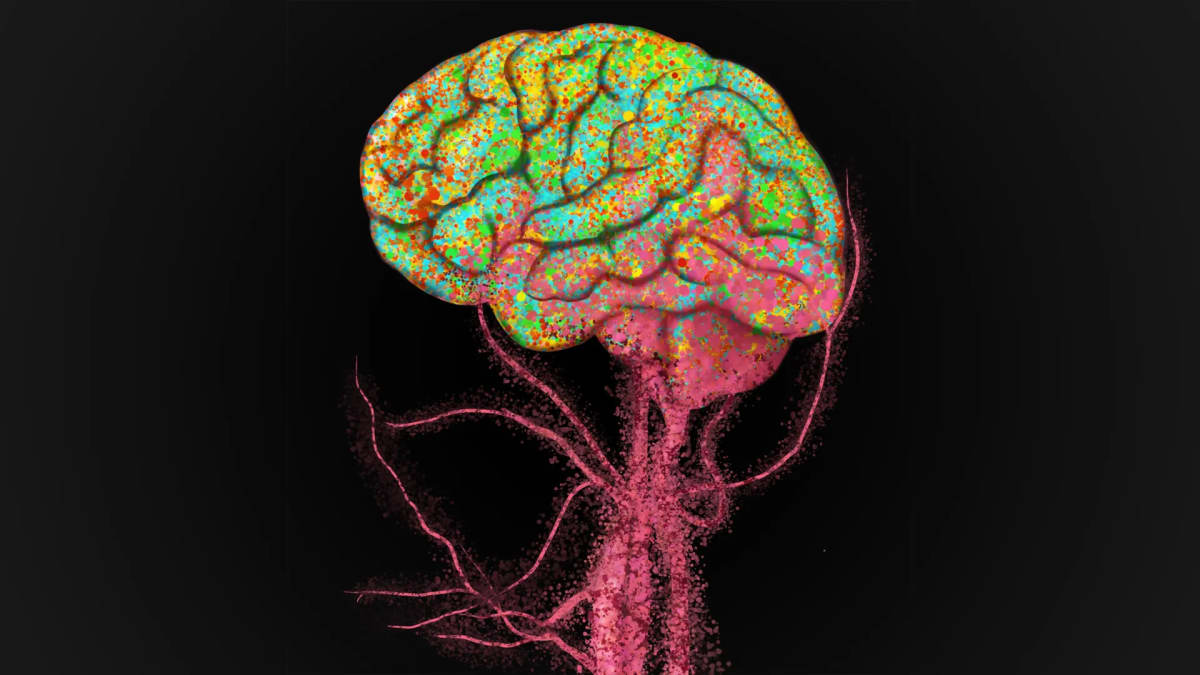
Stanford: Blood Cells Enter Aging Brains, Changing Science
Scientists long believed the brain's immune system stayed separate from the body, but Stanford researchers discovered that immune cells from our blood regularly enter the brain starting in middle age. This breakthrough could transform how we understand and treat brain diseases like Alzheimer's.
Your brain might not be as isolated from your body as scientists thought for decades.
Stanford researchers discovered that immune cells from your blood routinely travel into your brain as you age, a finding that rewrites what we know about how the brain protects itself. For years, scientists believed the brain maintained its own separate immune system, with specialized cells called microglia established at birth and sustained independently throughout life.
The research team, led by postdoctoral scholar Julia Belk, studied brain tissue and blood samples from people with and without Alzheimer's disease. They traced cellular family trees to determine where immune cells in the brain actually came from.
What they found surprised them. Large numbers of immune cells from bone marrow enter the human brain starting as early as middle age, where they transform into microglia and take on the role of the brain's immune defenders.
The discovery began almost by accident. While examining genetic information from thousands of people, the team noticed that individuals carrying certain mutated immune cell clones were much less likely to develop Alzheimer's. This raised an intriguing question: Could these unusual immune cells somehow be interacting with the brain?
When they looked closer, they found evidence that these cells could enter the brain itself. That led the team to ask whether this process might be happening in everyone, not just in rare cases.
The Ripple Effect
This breakthrough challenges decades of scientific thinking about the blood-brain barrier, the protective wall that restricts substances and cells from entering brain tissue. Understanding that the brain regularly receives fresh immune cells from the body opens new possibilities for treating neurological diseases.
The work received support from the Knight Initiative for Brain Resilience at Stanford's Wu Tsai Neurosciences Institute, which funds research that rethinks how scientists approach brain health and neurodegenerative disease. Belk's interdisciplinary background in computer science, chemistry, and biology proved essential to connecting these unexpected dots.
The research team used samples from Stanford's Rapid Autopsy Center and the University of Washington's Alzheimer's Disease Sequencing Project. These programs collect both blood and brain tissue from donors, giving scientists a rare opportunity to directly compare immune cells in the bloodstream with those in brain tissue.
The implications extend far beyond understanding normal aging. If immune cells from the body can protect against Alzheimer's, researchers might eventually find ways to harness that protection for treatment.
For now, this discovery reminds us that the human body is more connected than we imagined, with systems we thought were separate actually working together in ways we're only beginning to understand.
Based on reporting by Google News - Scientists Discover
This story was written by BrightWire based on verified news reports.
Spread the positivity!
Share this good news with someone who needs it