Stanford Breast Cancer Conference Hits 15 Years, 5,000 Lives
A Stanford program bringing breast cancer education to Black communities just celebrated 15 years of breaking down barriers and building trust. The conference has reached over 5,000 people and earned official recognition from city and state leaders.
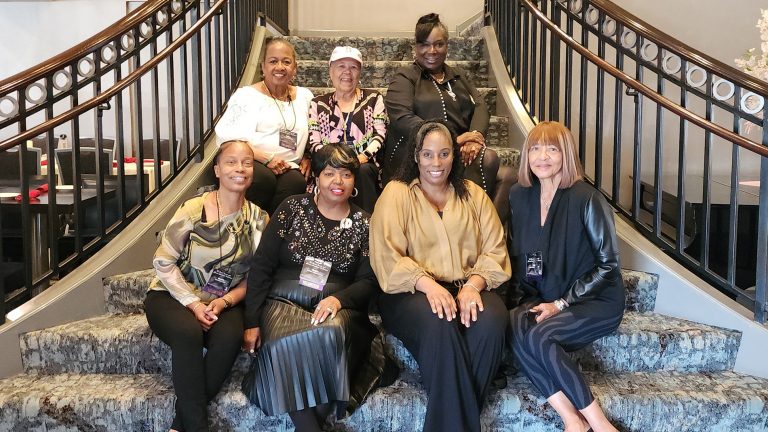
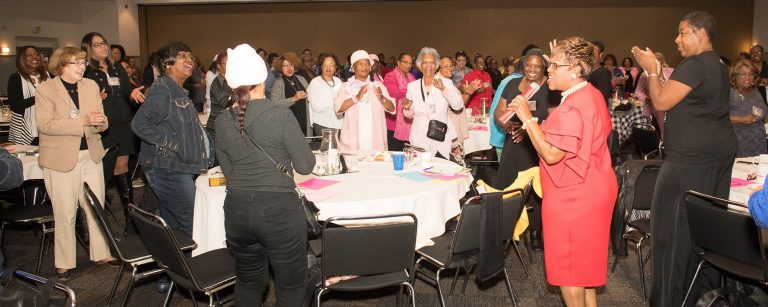
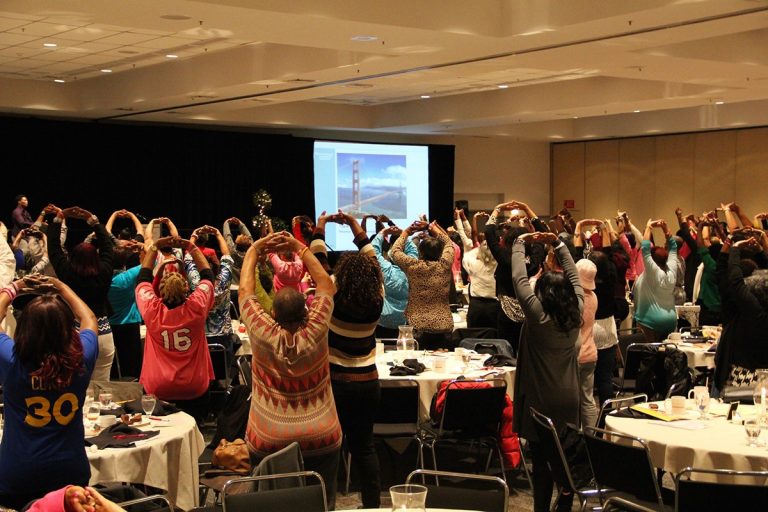
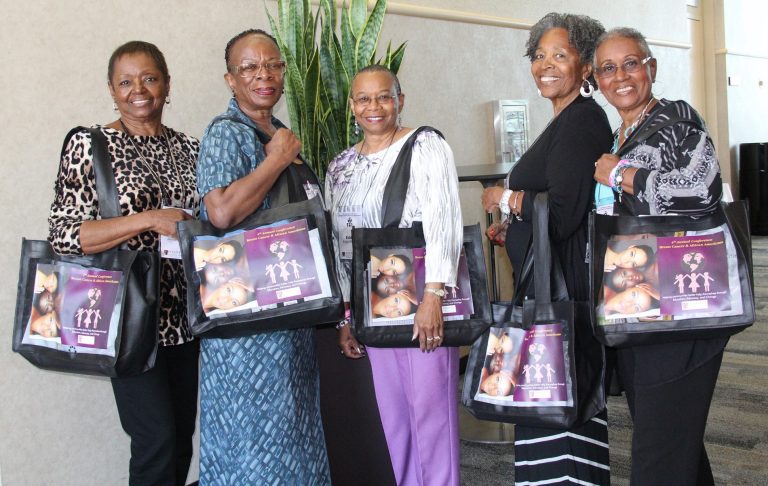
For 15 years, a Stanford conference has been creating a safe space where Black women can get lifesaving breast cancer information tailored to their community. The milestone event just welcomed 300 attendees and received proclamations from California lawmakers celebrating its impact.
The Stanford Cancer Institute Breast Cancer and African Americans Conference started in 2012 to tackle a heartbreaking reality. Black women have the lowest five-year breast cancer survival rate of any racial group, often diagnosed younger and at more advanced stages.
Program director Pamela Ratliff, who founded the conference, wanted to change that through education that actually connects. She created an event where science meets real life, where survivors share stories alongside researchers, and where everyone from faith leaders to families can ask questions without fear.
The numbers tell part of the story. Over 15 years, the conference has touched more than 5,000 lives and sparked 300 partnerships with community organizations across California and beyond.
But the real impact shows up in the thank-you notes. One attendee who came four months after her diagnosis wrote that the conference was invaluable, giving her comfort that her Stanford care aligned with best practices discussed at the event.
The disparities the conference addresses are complex. Black women face higher rates of aggressive breast cancer types like triple-negative breast cancer, which has fewer treatment options. They're also less likely to have adequate health insurance or access to mammograms and follow-up care.
Geographic, socioeconomic, and even biological factors all play roles. Black women remain underrepresented in clinical trials, meaning treatments may not work as well for them.
The Ripple Effect
The conference doesn't just share information. It removes barriers by meeting people where they are, whether they're caregivers, people with other health conditions, or those with limited resources.
Ratliff emphasizes that the event stays grounded in community voices. Attendees help shape the program, ensuring it addresses their actual needs and concerns in ways that respect their experiences.
The 15th anniversary brought official recognition. Newark Mayor Michael K. Hannon declared August 22, 2026, Breast Cancer Disparities Awareness Day in Newark. The California State Assembly, State Senate, Alameda County Board of Supervisors, and City of Newark all issued certificates honoring the conference's work.
These proclamations acknowledge what the community already knew: culturally tailored health education saves lives. When information aligns with people's beliefs, values, and lived experiences, and when it comes from trusted sources, people actually use it.
The conference welcomes everyone regardless of age or health status, creating what Ratliff calls a safe, fun, and warm environment for crucial conversations about health, identity, and support.
After 15 years, the message remains clear: hope and empowerment matter just as much as medical information, especially when circumstances are difficult.
More Images
Based on reporting by Google News - Education Milestone
This story was written by BrightWire based on verified news reports.
Turn Today’s Good News Into Action
Generate a simple, meaningful 2-minute act of kindness you can do today and log your ripple effect.
Spread the positivity!
Share this good news with someone who needs it