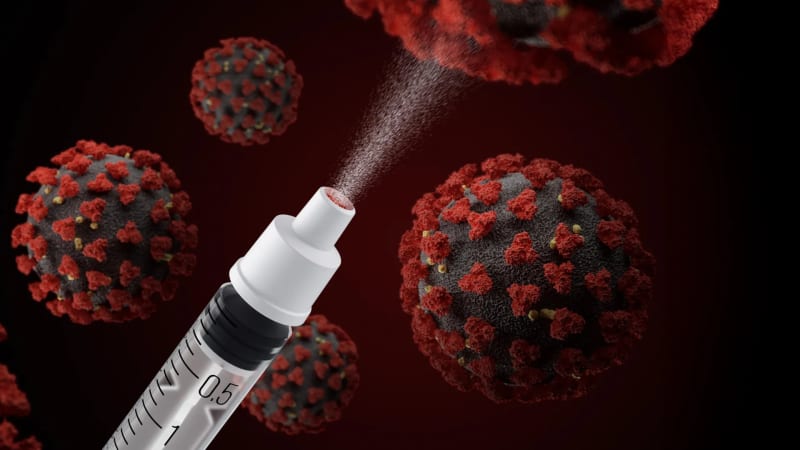
Stanford Creates Nasal Spray Vaccine for COVID, Flu, More
Scientists at Stanford Medicine have developed a breakthrough nasal spray vaccine that protects against multiple respiratory threats at once, from COVID-19 and flu to bacterial infections and even allergies. In mice, the experimental vaccine provided months of broad protection by supercharging the lungs' natural defenses instead of targeting specific pathogens.
Imagine a single nasal spray that could protect you from the next COVID variant, this year's flu, hospital infections, and even seasonal allergies. Stanford Medicine scientists just brought that possibility much closer to reality.
Researchers have created an experimental vaccine that breaks away from 230 years of vaccine tradition. Instead of teaching your immune system to recognize one specific virus or bacteria, it supercharges your lungs' natural defenses to fight off multiple threats at once.
The nasal spray vaccine worked remarkably well in mice. Vaccinated animals were protected against SARS-CoV-2 and related coronaviruses, dangerous hospital bacteria like Staph aureus, and even dust mite allergies. The protection lasted for months, not just days.
Traditional vaccines since Edward Jenner's smallpox breakthrough in the 1700s have relied on showing the immune system a piece of a pathogen, like the spike protein on COVID-19. The body then remembers that signature and attacks when it sees it again. But viruses mutate quickly, changing their surface proteins like a leopard changing its spots, which is why we need updated flu shots and COVID boosters every year.
Senior author Dr. Bali Pulendran and his team took a radically different approach. They copied the communication signals immune cells naturally send to each other during infection. This creates a coordinated response between the body's two main defense systems: the quick-acting but short-lived innate immunity and the slower but longer-lasting adaptive immunity.
The breakthrough came from understanding how certain vaccines, like the tuberculosis vaccine given to 100 million babies annually, sometimes provide mysterious protection against unrelated infections. Pulendran's 2023 research revealed the secret: specialized T cells were sending signals that kept the innate immune system switched on for months instead of days.
The team engineered their vaccine to mimic those signals. As long as that heightened innate activity continued, mice stayed protected against a stunning variety of respiratory threats, even ones they had never encountered before.
The Ripple Effect
If this vaccine works in humans the way it does in mice, the impact could reshape how we approach infectious diseases. People might receive one nasal spray instead of multiple yearly shots for flu, COVID, and pneumonia. Vulnerable populations in hospitals could gain protection against dangerous bacterial infections without needing pathogen-specific treatments.
Perhaps most exciting is pandemic preparedness. When a new respiratory virus emerges, this vaccine could provide immediate broad protection while scientists develop targeted treatments. No more waiting months for virus-specific vaccines while infections spread.
The findings, published February 19 in Science, exceeded even the researchers' expectations. Pulendran admitted the concept initially sounded outrageous. "I think nobody was seriously entertaining that something like this could ever be possible," he said.
The vaccine still needs extensive testing in humans before it reaches clinics, but the mouse results provide genuine hope for a future where respiratory illnesses lose much of their power to harm us.
Based on reporting by Science Daily
This story was written by BrightWire based on verified news reports.
Spread the positivity!
Share this good news with someone who needs it