Stanford Cures Type 1 Diabetes in Mice Without Insulin
Stanford Medicine researchers reversed Type 1 diabetes in mice using a groundbreaking dual transplant that resets the immune system. The animals stayed diabetes-free for six months without insulin or immune suppressing drugs.
Scientists at Stanford Medicine have successfully cured Type 1 diabetes in mice using a treatment that could one day transform care for millions of people living with the disease.
The research team combined two types of transplants from mismatched donors: blood stem cells and insulin-producing pancreatic islet cells. This dual approach did something remarkable. It both restored the body's ability to produce insulin and retrained the immune system to stop attacking healthy cells.
All 19 mice treated before developing diabetes remained disease-free. Even more encouraging, nine mice with long-standing diabetes were completely cured. For the full six months of the study, none of the animals needed insulin injections or medications to suppress their immune systems.
Type 1 diabetes occurs when the immune system mistakenly destroys the pancreatic cells that produce insulin. This leaves the body unable to regulate blood sugar properly. Current treatments require lifelong insulin injections and careful monitoring, but they manage the disease rather than cure it.
The Stanford approach tackles the root problem by creating what researchers call a hybrid immune system. This system contains cells from both the donor and the recipient, allowing the body to accept the new insulin-producing cells without attacking them.
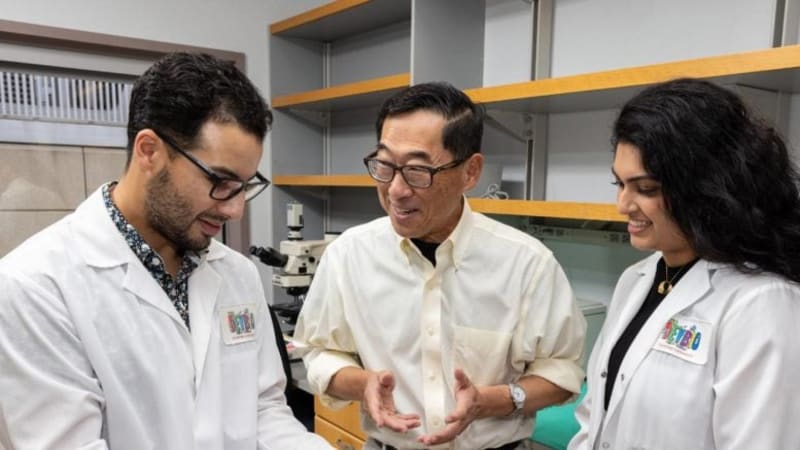
Lead researcher Dr. Seung K. Kim, a professor at Stanford Medicine and director of the Stanford Diabetes Research Center, emphasized the clinical potential. The key steps used in the mouse study are already being used in human patients for other conditions. This means the path to human trials could be shorter than with entirely new treatments.
The research built on earlier work by the late Dr. Samuel Strober and Dr. Judith Shizuru, who showed that bone marrow transplants from partially matched donors could help kidney transplant patients. Some of those transplanted kidneys functioned for decades without rejection drugs.
Why This Inspires
This breakthrough represents more than just another promising mouse study. The techniques used are already part of established medical practice for treating blood cancers and helping transplant patients. That means researchers aren't starting from zero when it comes to human applications.
The possibility of freedom from daily insulin injections and constant blood sugar monitoring would be life-changing for the 8.7 million people worldwide living with Type 1 diabetes. Beyond diabetes, the immune reset approach could potentially help people with other autoimmune diseases like multiple sclerosis or rheumatoid arthritis.
The research also offers hope for improving outcomes in organ transplantation generally, potentially helping the thousands of people who need new kidneys, hearts, or livers.
The study appears in the Journal of Clinical Investigation, marking another step toward turning autoimmune diseases from lifelong conditions into curable ones.
More Images

Based on reporting by Google News - Disease Cure
This story was written by BrightWire based on verified news reports.
Spread the positivity!
Share this good news with someone who needs it