Stanford Finds Immune Cells That Explode Like Bombs
Scientists have discovered a completely new type of immune cell in flatworms that destroys threats by literally exploding in seconds. This ancient defense mechanism could lead to breakthrough treatments for infections and cancer.
What if your body could fight disease with microscopic bombs that explode on command?
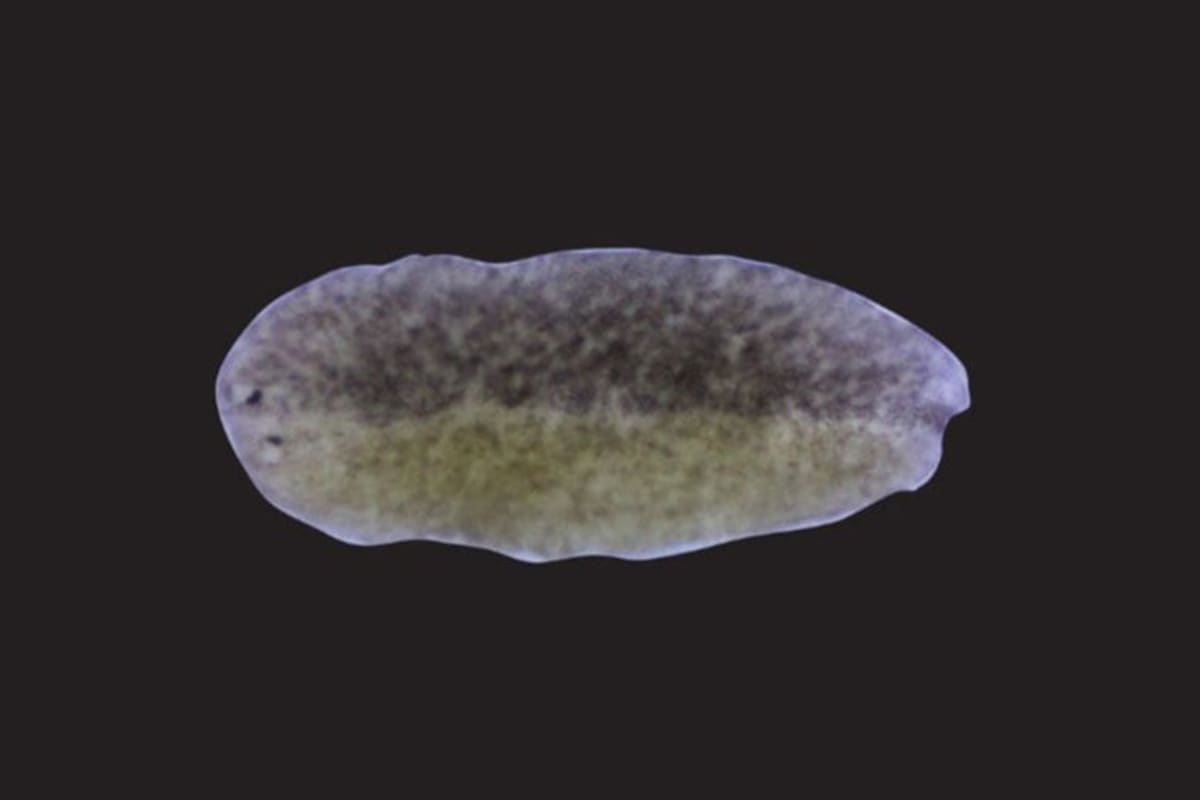
Stanford researchers have discovered exactly that in the humble flatworm. These tiny creatures, already famous for regenerating lost body parts, just revealed an immune defense never seen before in nature.
The newly identified cells are called ruptoblasts. When activated by a hormone surge, they self-destruct in a violent explosion that kills nearby threatening cells within seconds, then disappear without a trace.
"We never expected that a cell could just explode like a bomb and kill the cells surrounding it," said Bo Wang, associate professor of bioengineering at Stanford. His team published their findings in the journal Cell.
Postdoctoral researcher Chew Chai discovered the cells while testing how flatworms respond to foreign tissue. She created "Frankenstein" worms by fusing tissue from different flatworms together.
The worms rejected the foreign tissue through massive inflammation. But instead of using familiar immune responses like those in humans, the flatworms deployed something entirely different.
"It's this huge inflammatory response. Like there's a fire and an alarm goes off, and the cells just blow up," said Chai, the study's lead author.
The explosion happens shockingly fast. While some mammalian cells can rupture, the process takes hours as substances slowly leak out. Ruptoblasts complete their deadly work in seconds to minutes.
Chai tested the explosive cells against E. coli bacteria, human kidney cells, and mouse blood cells. The ruptoblasts successfully destroyed all three targets.
The precision impressed researchers most. Cell death stayed limited to the immediate blast zone with no chain reaction and no lasting toxicity spreading through surrounding tissue.
Why This Inspires
This discovery opens exciting doors for medicine. The precision and speed of ruptoblasts could inspire new treatments for bacterial infections or tumors that need targeted destruction without collateral damage.
The findings also remind us how much we still have to learn from nature's simplest creatures. Flatworms split from our evolutionary tree hundreds of millions of years ago, yet they're solving problems in ways we never imagined.
Wang believes vertebrates may have lost this explosive defense because we lack the regenerative powers needed to repair the tissue damage. Flatworms possess abundant stem cells that quickly fix any collateral harm.
Chai found similar cells only in ancient flatworm relatives, suggesting this immune strategy is truly ancient. "It demonstrates there's lots of different immune mechanisms out there," said Wang.
The team continues studying how these cellular explosions work at the molecular level. Understanding the precise triggers and mechanisms could help scientists design targeted therapies that borrow nature's most explosive ideas.
Sometimes the biggest medical breakthroughs hide in the smallest, strangest places.
More Images
Based on reporting by Google News - Scientists Discover
This story was written by BrightWire based on verified news reports.
Spread the positivity!
Share this good news with someone who needs it