Stanford Trial Tests Prenatal Treatment for Rare Disease
Expectant parents can now enroll in a groundbreaking trial that treats Fanconi anemia before birth, potentially preventing devastating complications without harsh side effects. Stanford researchers are infusing healthy stem cells from mothers to their babies in the womb.
Parents learning their unborn child has Fanconi anemia used to face an impossible heartbreak: their baby would likely need a grueling stem cell transplant by age 12, bringing years of hospital stays and cancer risks alongside hope for survival.
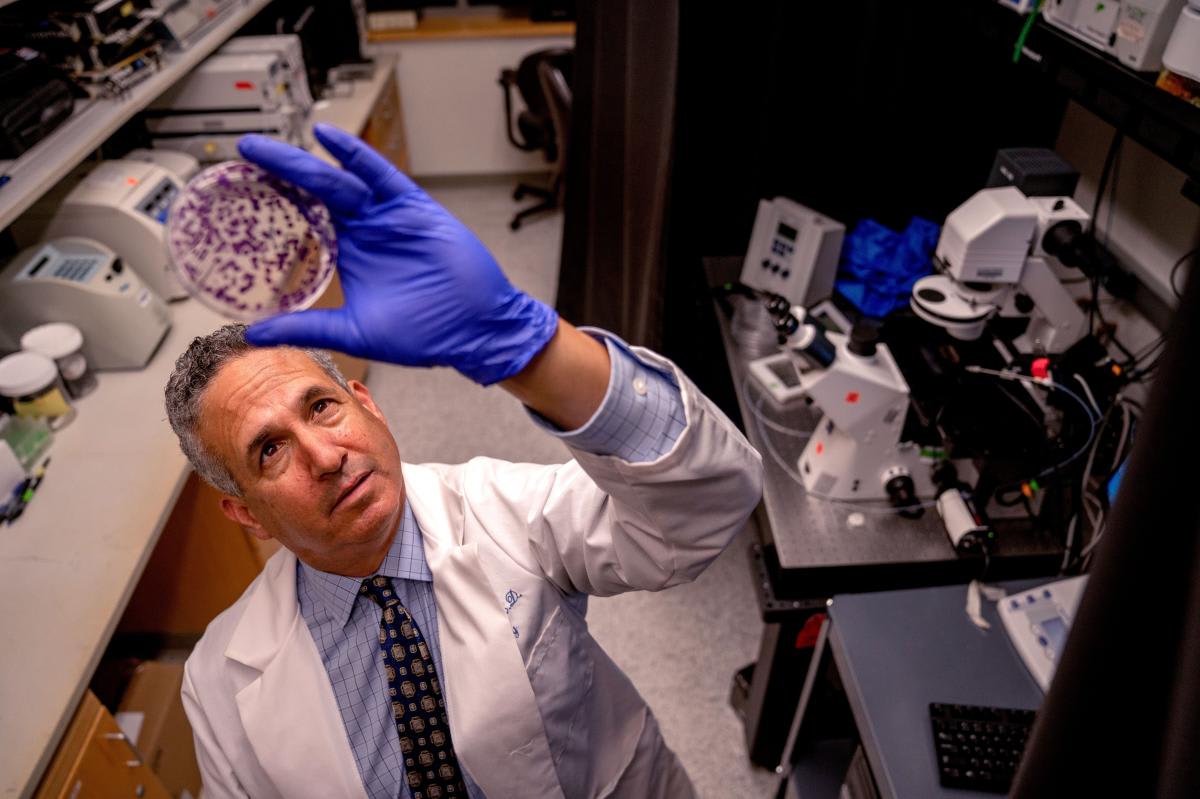
Now Stanford Medicine is opening the first clinical trial to treat the rare blood disorder before birth. Dr. Agnieszka Czechowicz and her team will take healthy blood-forming stem cells from pregnant mothers and infuse them directly into their babies through the umbilical cord.
Fanconi anemia affects roughly one in 130,000 people worldwide. The genetic condition prevents cells from repairing DNA damage, causing the bone marrow to stop producing enough blood cells. Children with the disease suffer from exhaustion, dangerous bleeding, and severe infections. They face high cancer risks throughout their lives.
Traditional stem cell transplants can save these children, but the process requires toxic chemotherapy and radiation that Fanconi anemia patients struggle to tolerate because of their DNA repair problems. Kids spend months in hospitals recovering. The treatment itself carries serious long-term risks.
The prenatal approach skips all of that. Animal studies published in 2024 showed that transplants performed in the womb need no chemotherapy, radiation, or immune-suppressing drugs. The developing immune system simply accepts the mother's cells without rejection.
Even better, the maternal stem cells established themselves at remarkably high levels in mice with Fanconi anemia, stabilizing the disease before birth. Healthy mice showed only minor engraftment, suggesting the treatment specifically helps where it's needed most.
More families are getting Fanconi anemia diagnoses during pregnancy thanks to expanded genetic screening and better ultrasound technology. Doctors can now spot subtle physical differences on prenatal scans and confirm the condition through amniocentesis and specialized chromosome tests.
Those early diagnoses created an opportunity that drove Czechowicz's research forward. She kept hearing from expectant parents desperate for better options than telling their newborn's future filled with hospital beds and harsh treatments.
Why This Inspires
This trial represents a fundamental shift in how we think about treating genetic diseases. Instead of waiting for children to get sick and then fighting to save them, doctors may soon intervene before birth, giving babies a healthier start from day one.
The approach also shows the power of listening to families. Czechowicz didn't develop this treatment in isolation. She created it because parents asked if there was another way, and she refused to accept that the answer had to be no.
If the trial succeeds, it could transform outcomes for dozens of families each year who receive this devastating diagnosis, turning a childhood defined by illness into one where a rare disease becomes a manageable condition.
The first families are enrolling now, bringing hope that future parents won't have to choose between impossible options when they learn their baby has Fanconi anemia.
More Images



Based on reporting by Google News - New Treatment
This story was written by BrightWire based on verified news reports.
Spread the positivity!
Share this good news with someone who needs it