Stanford's Date Drop Gets 10x More Dates Than Tinder
A Stanford grad student tired of swiping created Date Drop, which sends students one thoughtful match per week. Over 5,000 students have signed up, and matches turn into real dates at 10 times the rate of Tinder.
Henry Weng watched his Stanford classmates burn out on endless swiping and ghosting, so he built something completely different: a dating service that sends you one carefully chosen match per week.
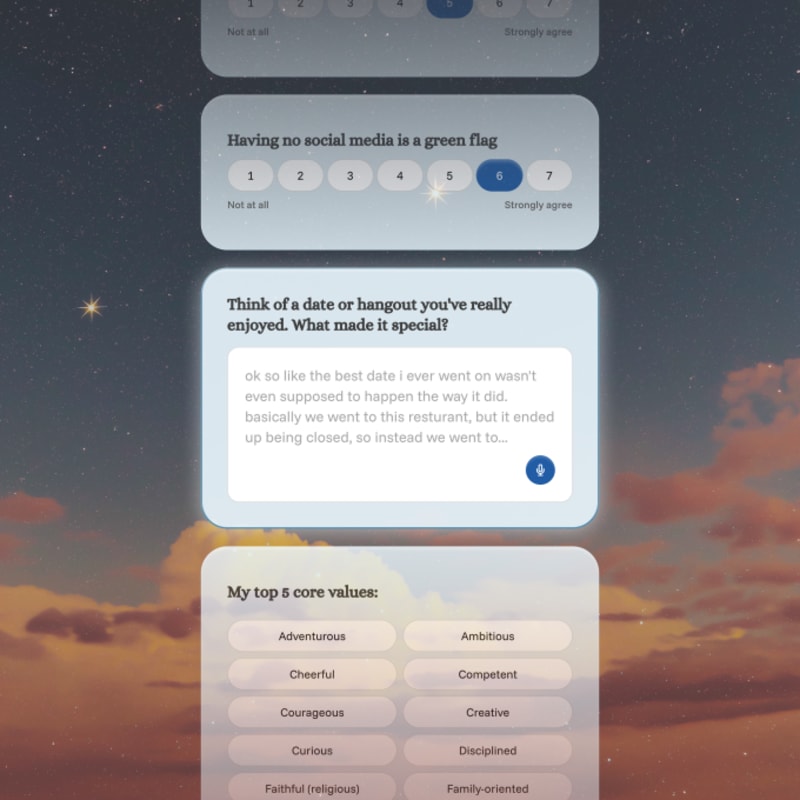
Date Drop works like the opposite of typical dating apps. Instead of scrolling through hundreds of faces, students answer a thorough questionnaire including open-ended questions and even a voice conversation. Then Weng's algorithm pairs them with one compatible person each week.
The results speak for themselves. Over 5,000 Stanford students have tried Date Drop since launching last fall, and it's now live at 10 more schools including MIT, Princeton, and the University of Pennsylvania. Matches convert to actual dates at roughly 10 times the rate of Tinder, according to Weng.
"Instead of swiping, we get to know each person deeply and send them one compatible match per week," Weng told TechCrunch. The service resonates because 95% of users say they want real relationships, not endless casual connections.
What started as a campus project became The Relationship Company after a close friend met their partner through Date Drop. Weng structured it as a public benefit corporation, meaning it's legally required to balance social impact with profits. He's raised a few million from investors including Zynga founder Mark Pincus and early Airbnb backer Elad Gil.
The Ripple Effect
Weng's vision extends far beyond college dating. He sees The Relationship Company facilitating all meaningful connections: friendships, professional networks, and community building. His Stanford education focused on matching theory, studying how the right connections shape everything from who we marry to where we work.
The company culture reflects this relationship-first thinking. Weng gives employees a $100 monthly "relationship stipend" to spend on dates, gifts, or experiences that deepen important connections of any kind. Research shows money spent on others creates more happiness than money spent on ourselves.
Weng plans to expand Date Drop to select cities this summer. His unconventional education, including a class called "Intro to Clown" that taught him to embrace failure, prepared him for the startup rollercoaster. As a computer science master's student, he even created his own undergraduate major studying humans, matching, and incentives.
The experience has changed how Weng moves through the world. "Date Drop has shown me how many interesting people are out there that you'd never encounter through your normal routines," he said.
More Images


Based on reporting by TechCrunch
This story was written by BrightWire based on verified news reports.
Spread the positivity!
Share this good news with someone who needs it