Star-Spotted Jellyfish Discovered in Japanese Aquariums
Scientists have discovered a new jellyfish species in Japanese aquariums, complete with tiny brown spots that multiply like Michelin stars as it matures. The find proves aquariums aren't just pretty displays—they're frontiers for biodiversity discovery.
A translucent jellyfish no bigger than a grape is earning scientific "stars" in Japan, and it's bringing wonder to both researchers and visitors alike.
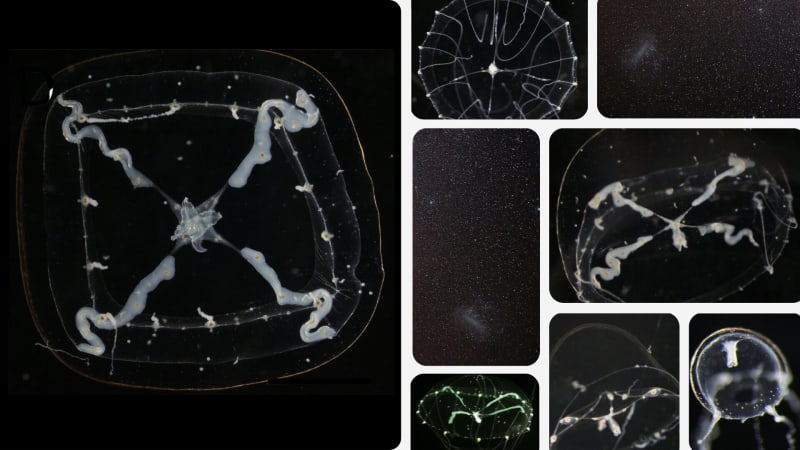
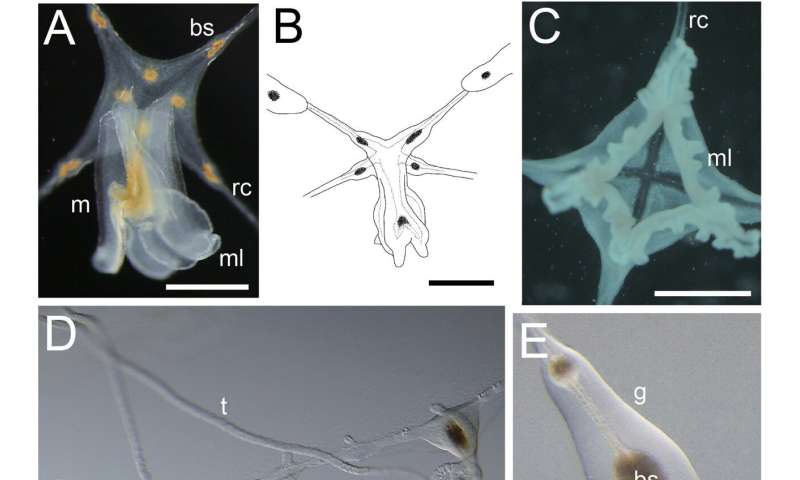
Meet Malagazzia michelin, a newly discovered jellyfish species that earned its name through a delightful quirk of nature. As this tiny creature matures, mysterious brown spots appear across its body like oil droplets, multiplying over time in a way that reminded scientists of restaurants earning more Michelin stars for excellence.
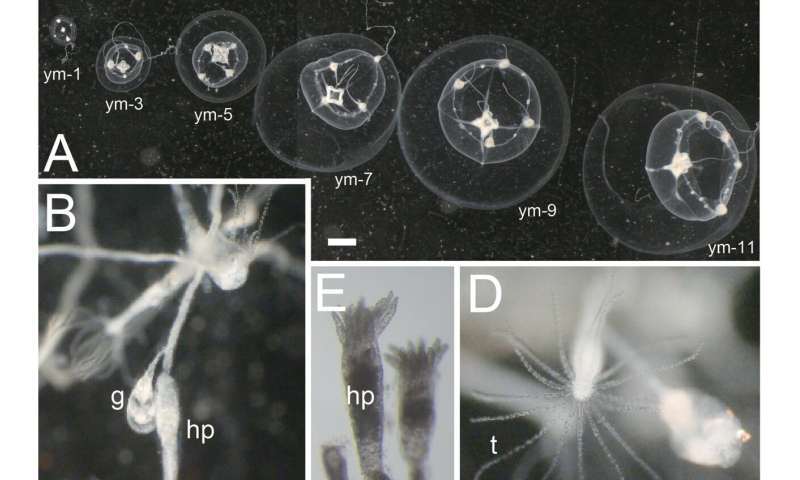
The discovery happened through an inspiring partnership between marine biologists at Fukuyama University and staff at two Japanese aquariums in Nagasaki and Yamaguchi. Led by researcher Takato Izumi, the team first spotted the jellyfish in shallow coastal waters before successfully raising them in captivity, allowing scientists to observe their complete life cycle for the first time.
The jellyfish itself is a miniature marvel. Its transparent, dome-shaped body grows just 12 to 20 millimeters across—small enough to fit on a coin. DNA testing confirmed it as completely unique from other known species in its family, despite sharing some basic features with distant relatives.
Japanese aquarium visitors now know it by a poetic common name: ama-no-gawa-kurage, or "Milky Way jellyfish." The white reproductive organs combined with the twinkling brown spots create a pattern that genuinely resembles a starry galaxy floating through the water.
The Ripple Effect
This discovery solves a real problem in marine science. Aquariums often display beautiful creatures years before scientists can formally identify them, leading to confusion and mislabeling. M. michelin had been incorrectly grouped with an unrelated genus in field guides, potentially misleading researchers and educators.
The successful identification strengthens the case for aquariums as serious research partners, not just entertainment venues. These facilities have trained staff, controlled environments for observation, and direct access to marine life that might be difficult to study in the wild.
The research team's findings, published in the journal ZooKeys, demonstrate how public exhibitions can advance scientific knowledge while inspiring visitors. Every person who pauses at the jellyfish tank might be looking at an undiscovered species, waiting for curious minds to recognize its uniqueness.
Scientists emphasize that formal taxonomic work protects biodiversity by ensuring every species gets properly documented and named. When we know exactly what we're looking at, we can better protect it and understand its role in ocean ecosystems.
This collaboration model between aquariums and universities opens doors for future discoveries, turning everyday exhibition work into opportunities for breakthrough science that anyone can witness firsthand.
More Images
Based on reporting by Phys.org
This story was written by BrightWire based on verified news reports.
Spread the positivity!
Share this good news with someone who needs it