Stargazers and $1B Energy Project Find Win-Win Solution
A stargazing business and a groundbreaking energy storage company resolved their dispute in court, proving neighbors can protect both dark skies and clean energy progress. Construction now moves forward on Australia's first compressed air battery that will power 80,000 homes.
When your livelihood depends on crystal-clear night skies, a billion-dollar power plant moving in next door sounds like a nightmare turned reality.
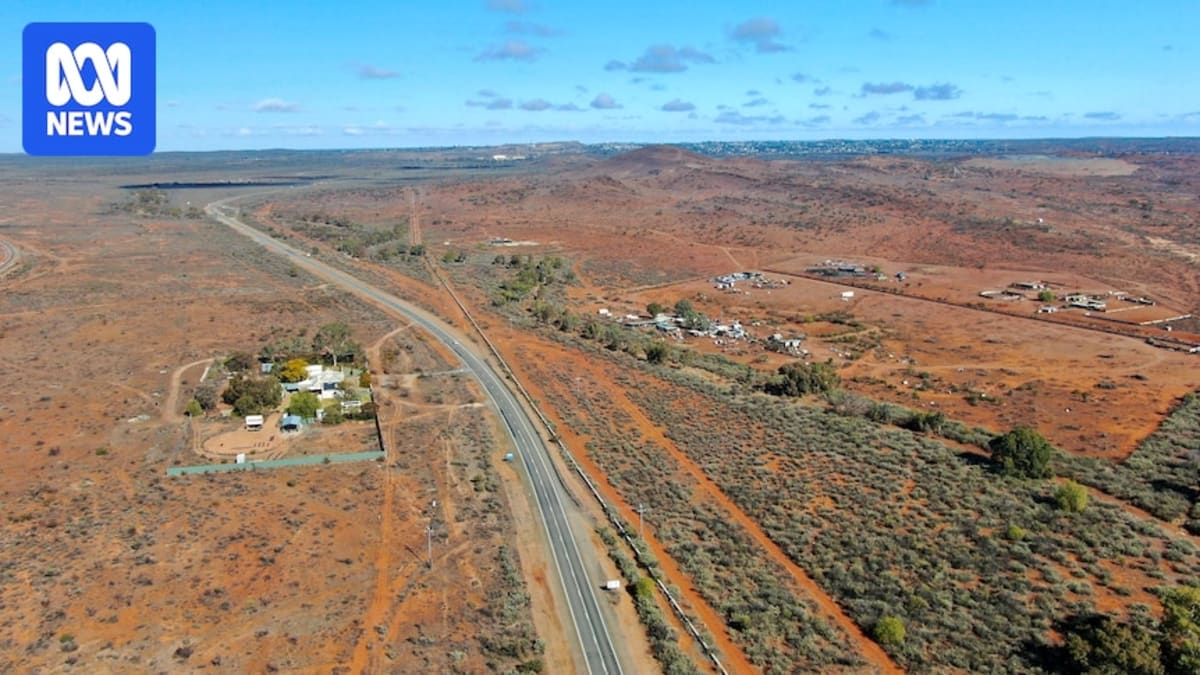
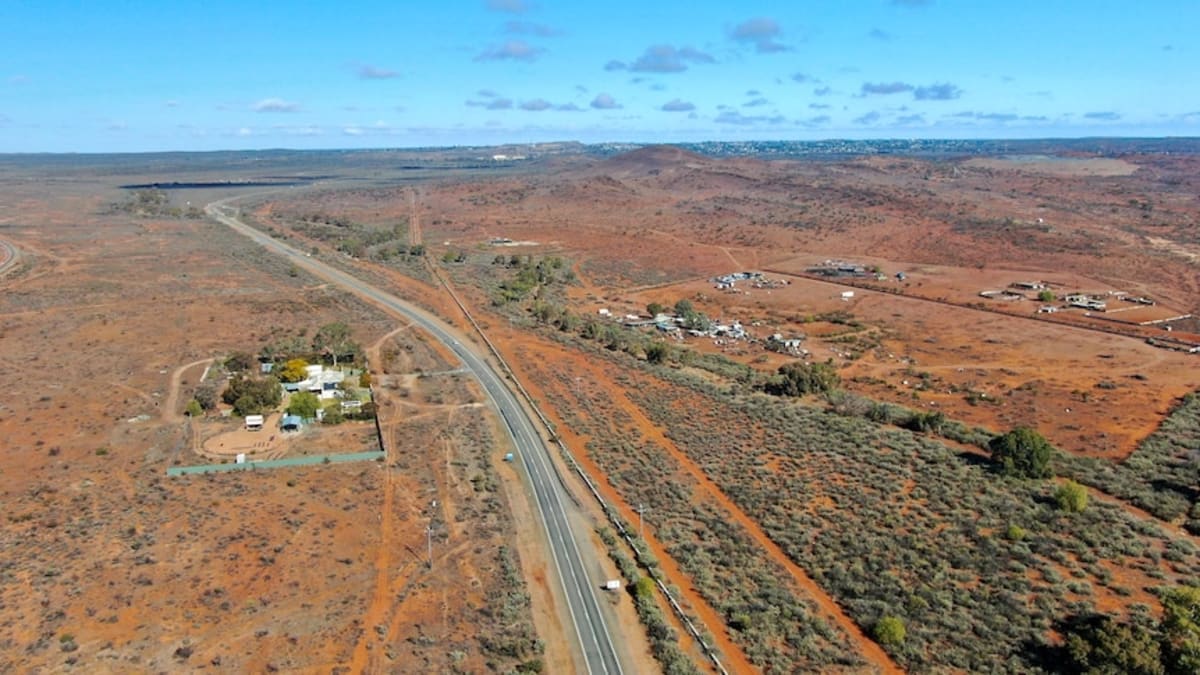
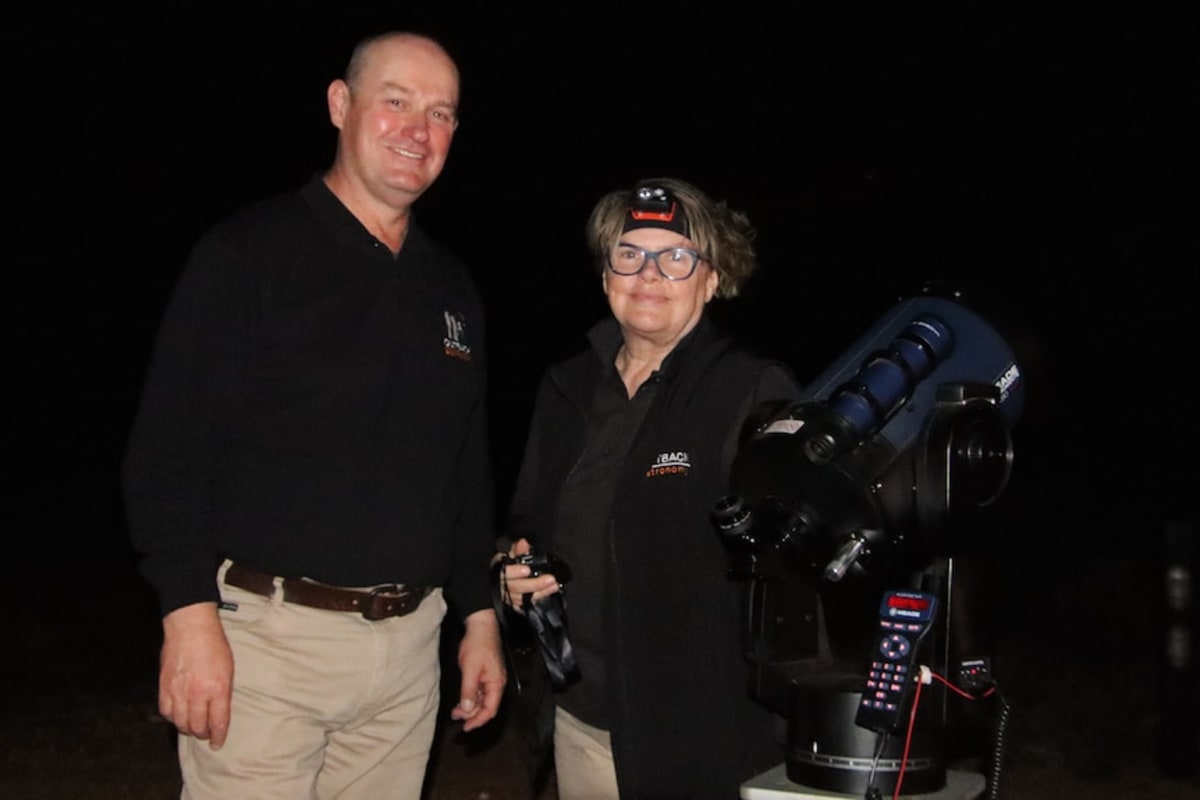
Travis and Linda Nadge have spent 12 years building Outback Astronomy near Broken Hill, Australia, offering tourists glimpses of the universe through their telescopes. Then Hydrostor, a Canadian energy company, won approval to build a massive energy storage facility just over a kilometer away.
The couple worried that light pollution would wash out the stars their business depends on. Construction noise and ongoing operations threatened to shatter the peaceful atmosphere that draws visitors to the remote outback location. They appealed the project's approval, and the case landed in the Land and Environment Court this month.
But something remarkable happened on day two of the four-day hearing. After Travis testified, the court returned from a break to hear the parties had reached an agreement. A conciliation conference the next day sealed the deal with amended development conditions that add stricter monitoring of noise and light.
"We're at the point where we want to turn the page on this and get on with our business and work with Hydrostor," Travis said. No money changed hands, just a commitment to coexist.
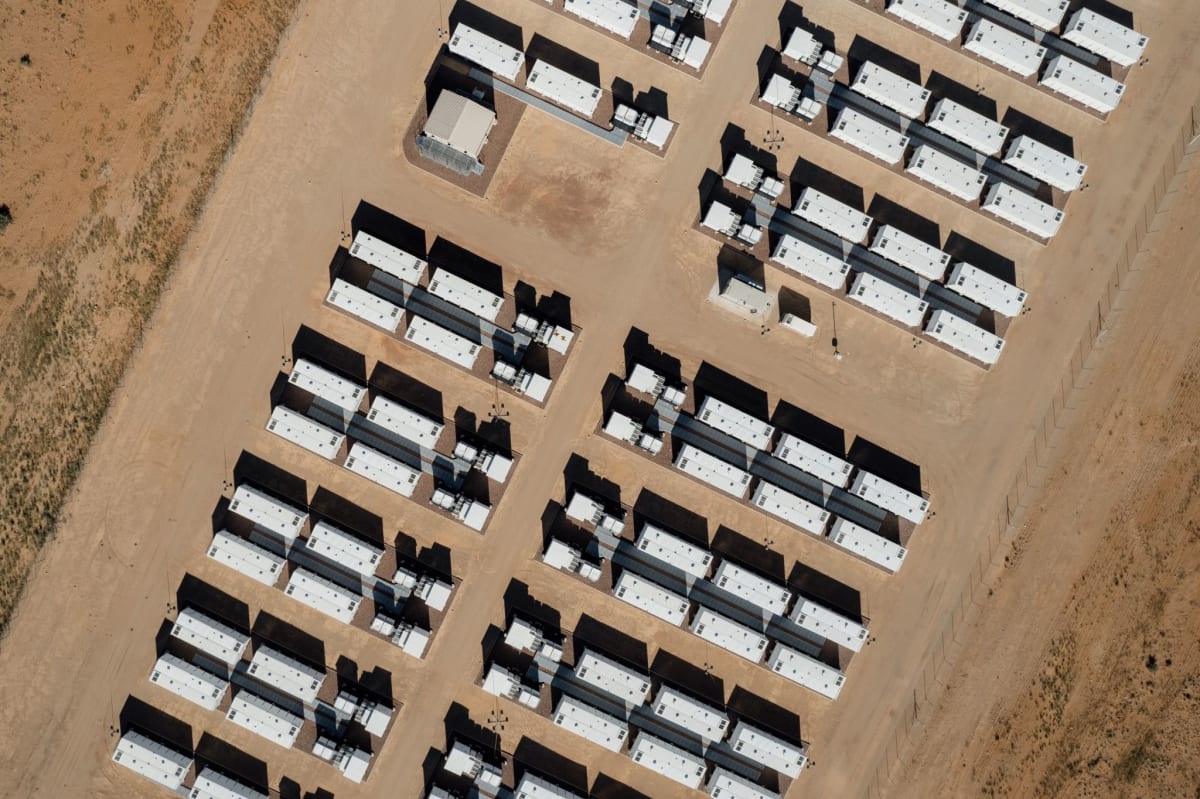
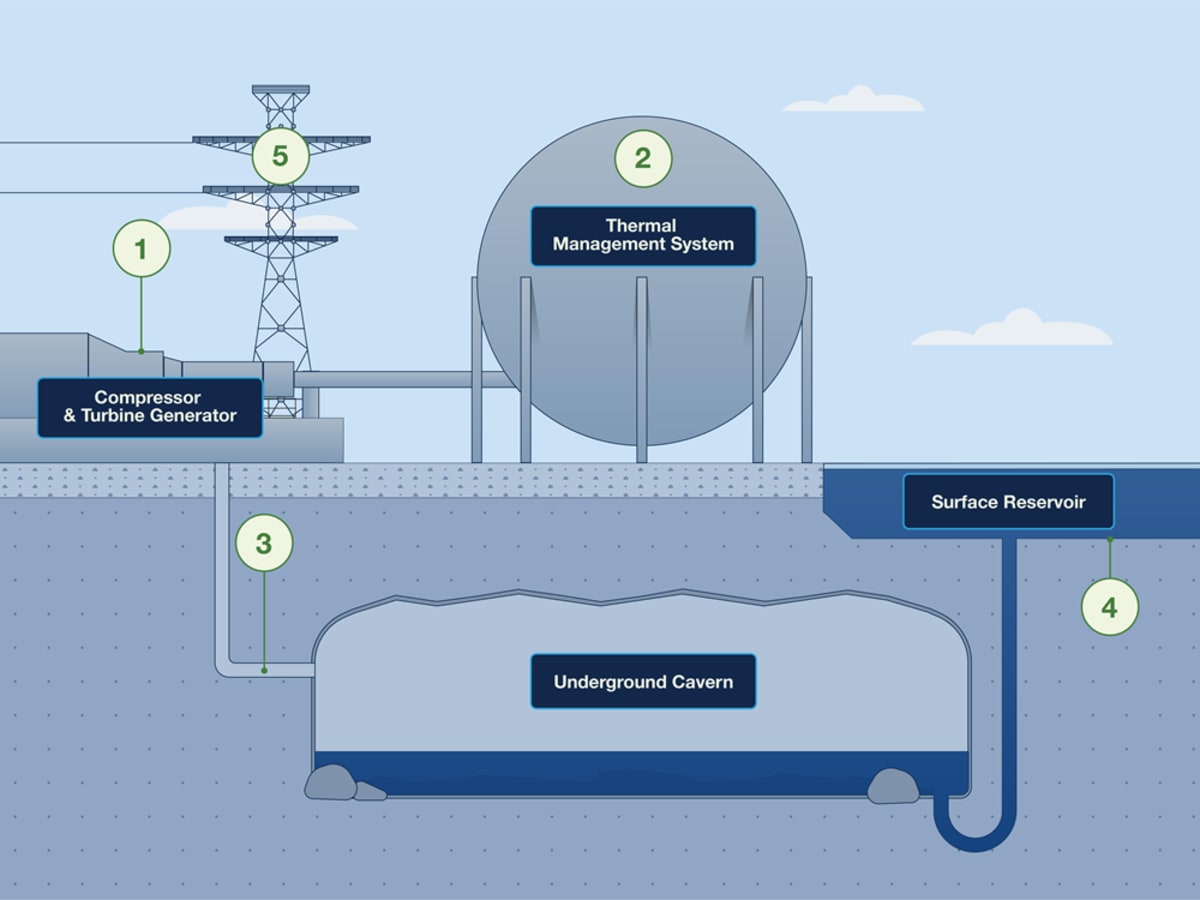
The Silver City Energy Storage System isn't your typical battery. It uses off-peak renewable energy to compress air into underground water-filled caverns. When power is needed, the system releases the compressed air to drive turbines, storing energy for about eight hours. That's longer than standard lithium-ion batteries can manage.
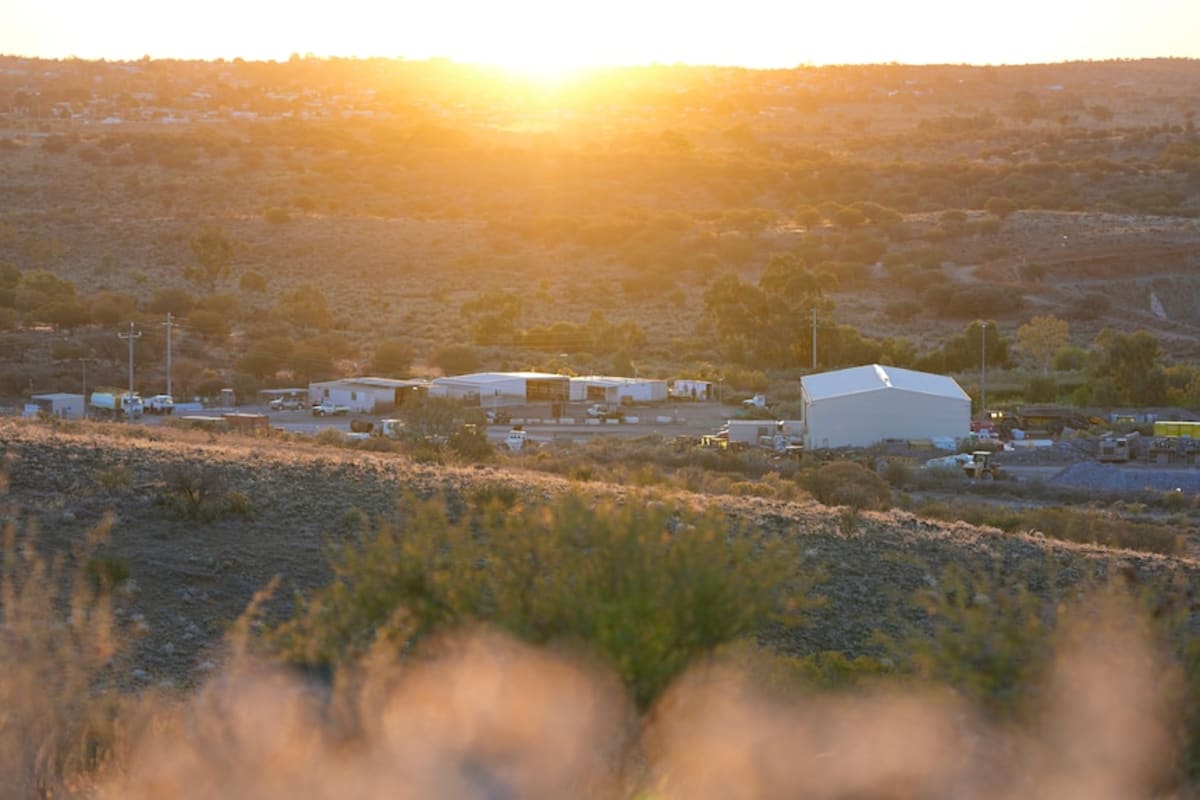
The project couldn't come at a better time for Broken Hill, which suffered through rolling blackouts in October 2024. The 200-megawatt facility will provide backup power for the region and serve as Australia's first large-scale compressed air energy storage system.
Construction begins later this year and will create 300 to 400 jobs, with 30 to 40 permanent positions over the facility's 50-year lifespan. Completion is expected by 2029 or 2030.
The Bright Side
This story shows that clean energy progress doesn't have to steamroll local concerns. Martin Becker, Hydrostor's vice president, emphasized the company's commitment to positive community impact and coexistence in Broken Hill.
The amended conditions mean stargazers can still marvel at the Milky Way while the facility stores clean energy to power tens of thousands of homes during peak demand. The project will become Hydrostor's flagship facility and a blueprint for similar developments worldwide.
It's a reminder that when parties approach disputes with good faith, solutions exist that protect both innovation and the things that make communities special. Sometimes the best view forward includes both stars and progress.
More Images
Based on reporting by ABC Australia
This story was written by BrightWire based on verified news reports.
Spread the positivity!
Share this good news with someone who needs it