Starlink Reopens Business Plans in Nigeria's Top Cities
After months of "sold out" notices, Starlink has restored internet access in Lagos, Abuja, and Port Harcourt through its premium business tier. The move keeps Africa's largest economy connected while the company races to expand satellite capacity.
Nigerians in Lagos, Abuja, and Port Harcourt can finally order Starlink again after months of lockouts in the country's most congested cities. The catch? They'll need to spring for the premium Business plan at ₦159,000 ($99) monthly, plus hardware costs that can reach ₦4 million ($2,500).
The reopening started February 14, restoring access that had been suspended as urban demand overwhelmed network capacity. For residents in neighborhoods like Victoria Island, Lekki, and Surulere, it's currently the only way to get connected without joining an indefinite waitlist.
The timing matters. Amazon's Project Kuiper secured permission to operate in Nigeria just last month, bringing fresh competition to satellite internet. By keeping its presence strong in major cities, Starlink maintains its foothold in Africa's largest economy even while residential options remain blocked.
Nigeria's satellite internet crunch has been building since late 2024. After hitting capacity limits, Starlink faced an eight-month freeze on new orders following a pricing dispute with regulators. Sales resumed in mid-2025 at a more affordable ₦57,000 residential rate, but urban demand kept growing faster than available bandwidth.
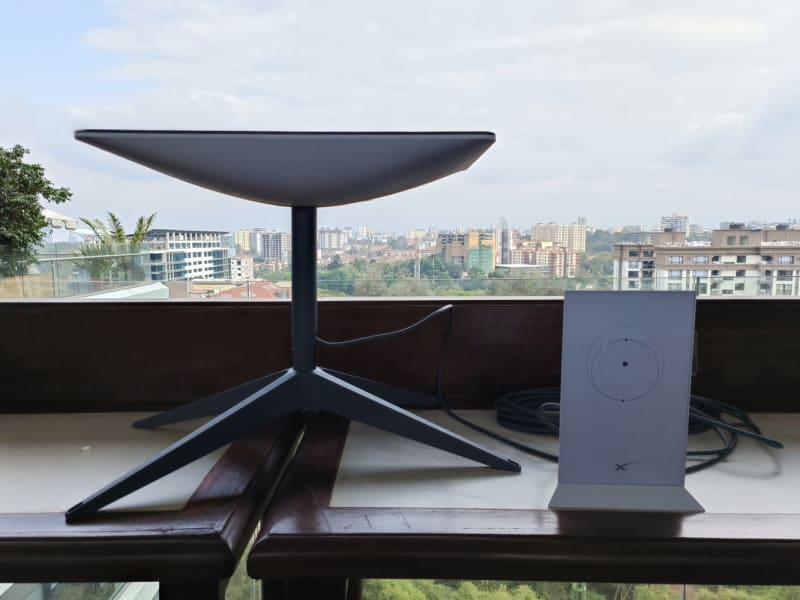
The Business plan offers more than just access. Subscribers get priority data allocations, faster technical support, and features critical for companies running servers and remote systems. The recommended Flat High Performance dish handles harsh weather better than standard equipment, designed for users who can't afford downtime.
The Bright Side
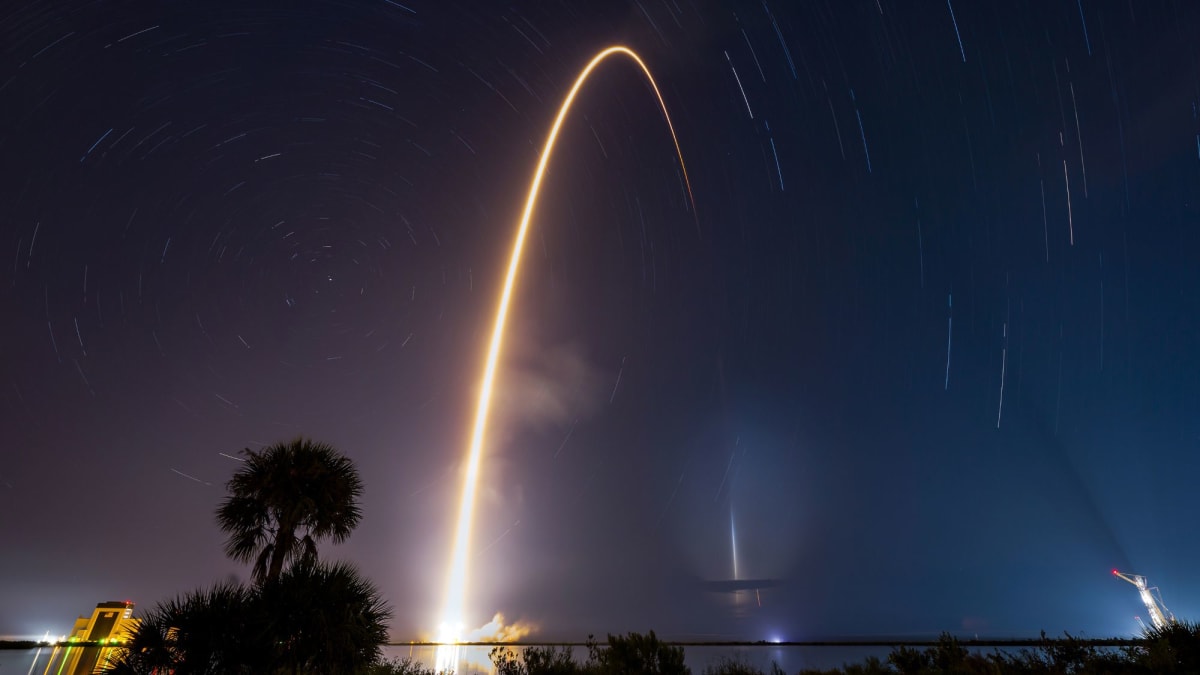
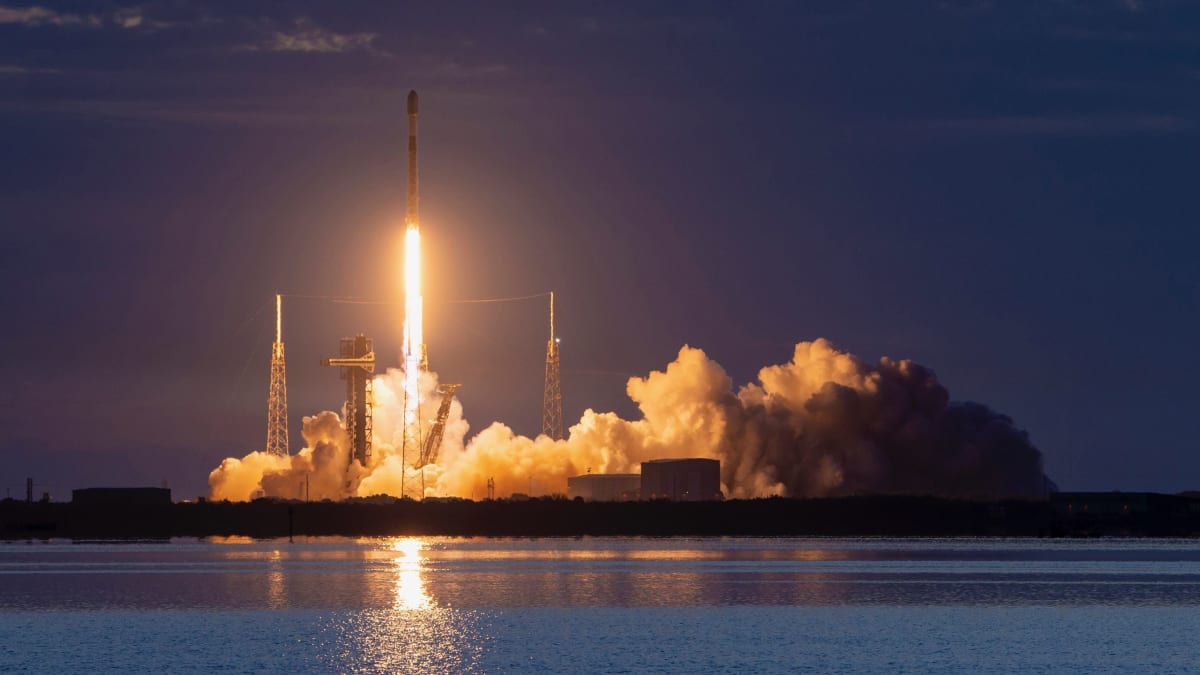
SpaceX isn't standing still on capacity challenges. The company has launched 18 Starlink missions already this year, adding roughly 428 satellites to an active constellation now exceeding 9,700 spacecraft. February alone saw 11 launches, including a record-setting day when two Falcon 9 rockets lifted off within hours from opposite US coasts.
One booster flew its 33rd mission, setting a new reusability record and demonstrating the rapid deployment pace. Recent launches have included Direct-to-Cell satellites designed to connect smartphones without ground equipment, pointing toward expanded coverage options ahead.
More satellites mean more capacity for ground users eventually, though local bottlenecks around spectrum and infrastructure take time to resolve. For now, Nigeria's most connected cities show what happens when adoption outpaces deployment in emerging markets hungry for reliable internet.
While the premium price creates barriers, restored access beats no access at all for businesses and households willing to invest. As SpaceX edges toward 10,000 active satellites, the infrastructure to support Nigeria's digital demands continues growing overhead, one launch at a time.
Based on reporting by TechCabal
This story was written by BrightWire based on verified news reports.
Spread the positivity!
Share this good news with someone who needs it