Startup Creates AI 'Pantone for Scent' to Revolutionize Perfume
A Brooklyn startup just raised $2 million to do what seemed impossible five years ago: crack the biological code of smell. Using AI and molecular design, Patina is creating never-before-smelled scent molecules that could transform how perfumes, candles, and flavored products are made.
For nearly 50 years, the fragrance industry has operated the same way: a handful of specialized labs create scent molecules, then sell them to the big fragrance houses who turn them into products. That system is finally getting disrupted.
Patina, a fragrance tech company in Brooklyn, just secured $2 million from investors including Betaworks and True Ventures. The startup uses machine learning to design entirely new scent molecules at the biological level, replicating how our noses actually detect smell.
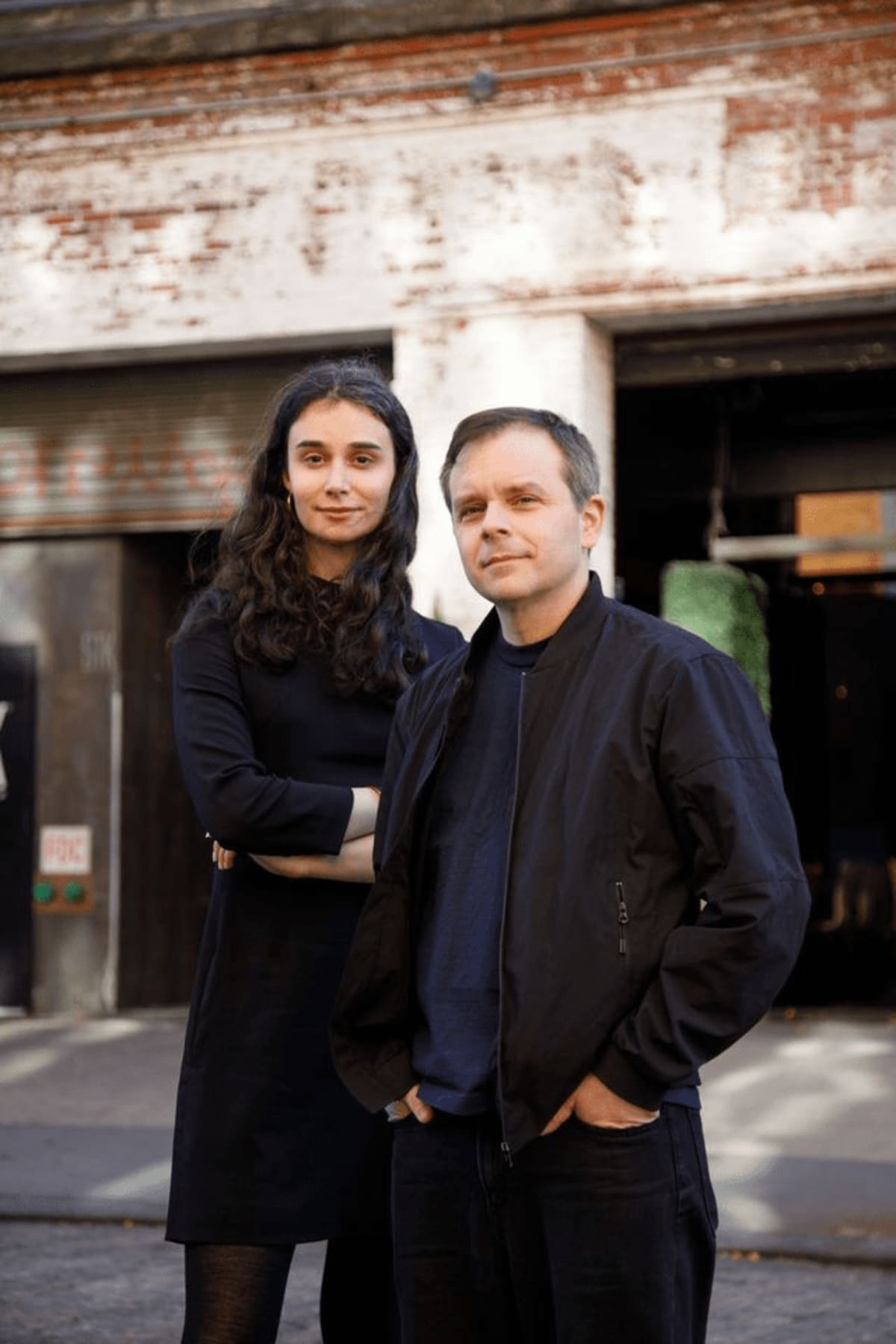
The company's origin story reads like a New York fairytale. Sean Raspet, an artist and perfumer obsessed with human senses, met Laura Sisson, a food and software engineer building olfactory learning models, at a scent art gallery in 2024. They realized the technology had finally caught up to make their shared vision possible.
Together, they're building Sense1, what they call "the first universal code of smell and taste." Right now, researchers describe scents with imprecise words like "floral" or "woody," which vary across regions and languages. Patina works at the receptor level in the nose, creating a biological foundation that could standardize scent the way Pantone standardized color.
The timing couldn't be better. Natural ingredients like rose oil are becoming scarce and expensive due to supply chain pressures. Patina's synthetic molecules can replicate rose oil at the biological level without plant extraction, using significantly less water and petrochemicals than traditional methods.
There's also a creativity unlock happening. Currently, only individual fragrance molecules can be patented, not formulas, meaning scents get easily copied. This benefits large fragrance houses with deep pockets, but AI has leveled the playing field. Smaller companies like Patina can now create custom scent ingredients in weeks instead of years.
The Ripple Effect
The implications stretch beyond just nicer perfumes. AI is helping phase out animal testing by predicting human skin reactions with near-perfect accuracy. Patina is already in talks with top fragrance houses and fashion brands about creating custom scents that were previously impossible to produce.
The $2 million in funding has already moved the team from Raspet's backyard into a proper Bushwick office with chemists. The money will fund new molecular launches and partnerships with academic labs to gather receptor activation data.
Their long-term goal? Create a "Pantone for scent" where any smell or flavor can be built from primary scent molecules. "The information has been there the whole time, waiting for the technology to catch up," Raspet says.
After half a century of stagnation, the fragrance industry is finally getting its innovation moment.
More Images

Based on reporting by TechCrunch
This story was written by BrightWire based on verified news reports.
Spread the positivity!
Share this good news with someone who needs it

_(2)_20260728164937_theedgemalaysia_0.jpg)