Startup Cuts Hospital Alarm Noise 40% With AI Tech
Hospitals bombard ICU patients with constant beeping that prevents healing sleep and exhausts nurses. A new startup is using AI to silence unnecessary alarms while catching critical alerts faster.
Imagine trying to heal in a hospital room where alarms blare every few minutes, most of them false warnings that mean nothing urgent. That's the daily reality in ICU wards across America, where alarm fatigue leaves nurses stressed and patients unable to rest when they need it most.
Enter CalmWave, a startup founded in 2022 by tech entrepreneur Ophir Ronen. He recognized the problem while volunteering in search and rescue, noticing hospitals face the same information overload that once plagued IT operations.
The issue runs deeper than just noise. Hospitals keep patient information split between two separate systems that don't talk to each other. Medical records track diagnoses and treatments, while monitoring equipment logs vital signs and triggers alarms. Nurses must constantly switch between screens to understand what's actually happening with a patient.
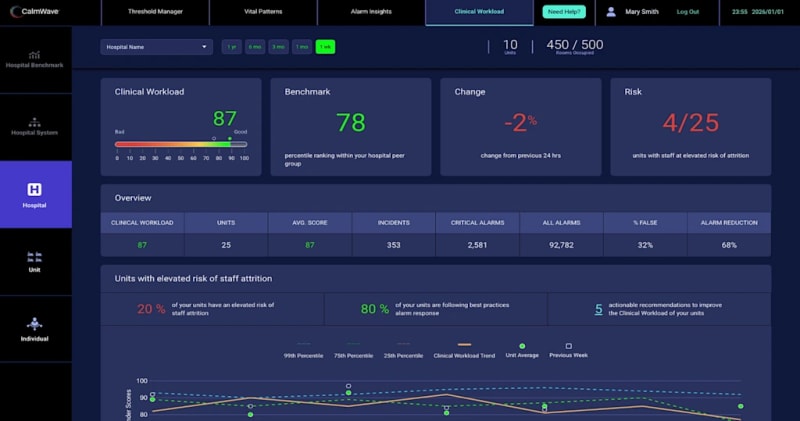
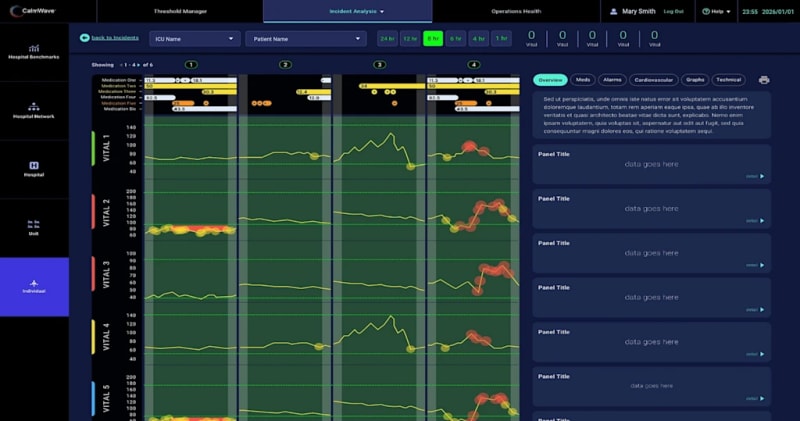
CalmWave bridges that gap by combining both data streams into one view. The system shows staff all vital signs alongside treatment timelines like medication schedules, so they can see the complete picture instantly.
But the real breakthrough is how the AI learns which alarms matter. The system analyzes patterns across both data sources and recommends personalized alarm settings for each patient. For one person, that might mean widening acceptable ranges to reduce false alerts. For another, it could mean tightening thresholds to catch problems earlier.
The Ripple Effect
The technology does more than create quieter hospitals. When nurses aren't drowning in false alarms, they respond faster to real emergencies. When patients sleep better, they heal faster and potentially go home sooner.
Early backing from the Allen Institute for AI's incubator program helped launch the startup. Ronen brought expertise from his previous company Event Enrichment HQ, which tackled similar alert overload problems in corporate IT before selling to PagerDuty.
The clinical evidence behind each recommendation means doctors can trust the system's suggestions. Rather than guessing which alarms to silence, they get data-driven guidance explaining exactly why certain thresholds make sense for specific patients.
Hospitals have discussed alarm fatigue in scientific literature for years, but comprehensive solutions remained elusive until now. CalmWave proves that sometimes the answer to healthcare challenges comes from unexpected places, like lessons learned managing enterprise IT systems.
Quieter ICUs mean better rest for healing bodies and clearer signals for the medical teams working to save lives.
More Images
Based on reporting by Fast Company - Innovation
This story was written by BrightWire based on verified news reports.
Spread the positivity!
Share this good news with someone who needs it