Startup Grows Brain-Free 'Organ Sacks' to End Animal Testing
A Bay Area biotech company is developing organ structures without brains that could replace monkeys in medical research and eventually provide transplant organs for humans. The innovation could eliminate suffering for tens of thousands of research animals while solving the organ shortage crisis.
Scientists are growing complete organ systems that can't feel pain or think, and it could change medicine forever.
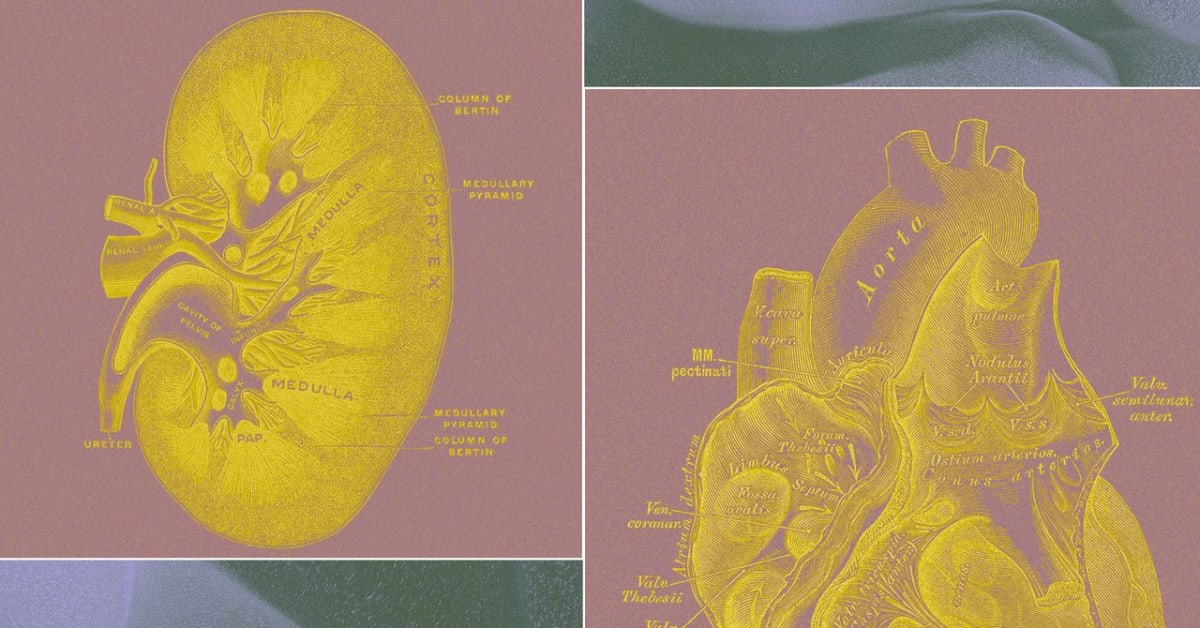
R3 Bio, a Bay Area startup, is developing what they call "organ sacks." These structures contain hearts, lungs, kidneys, and other organs but no brain. Without a brain, they can't experience suffering while still functioning as realistic testing platforms for new drugs and therapies.
The timing couldn't be better. More than 60,000 monkeys were used in US research last year, with about 1,200 experiencing unminimized pain due to the nature of experiments. Meanwhile, China's 2020 ban on exporting research monkeys has created a shortage that could hamper responses to future pandemics.
Cofounder Alice Gilman explains that organ sacks would be more realistic than current alternatives like organs-on-chips. They'd include complete organ systems with blood vessels and natural complexity. The company plans to use stem cell technology and gene editing to disable brain development genes, allowing the remaining organs to grow normally.
The project has already attracted investment from Immortal Dragons, a Singapore longevity fund. "If we can create a nonsentient, headless bodyoid for a human being, that will be a great source of organs," says CEO Boyang Wang.
Stem cell biologist Paul Knoepfler from UC Davis confirms the science is plausible. Scientists could reprogram adult skin cells into pluripotent stem cells, edit out brain development genes, and grow the resulting embryo into organized organ structures.
Why This Inspires
Beyond animal welfare, this technology addresses a heartbreaking human problem. More than 100,000 Americans are waiting for organ transplants right now. Thirteen people die every day because organs don't arrive in time.
Gilman's motivation is deeply personal. Her father underwent a heart transplant, giving her firsthand experience with the organ shortage crisis. She envisions a future where people facing organ failure could receive perfectly matched organs grown from their own cells, eliminating rejection risks entirely.
The company is starting with monkey organ sacks for drug testing before moving to human versions. If successful, this approach could end both animal suffering in research labs and human deaths on transplant waiting lists.
A world where medical progress doesn't require animal pain and where no one dies waiting for a new heart is finally coming into view.
More Images




Based on reporting by Wired
This story was written by BrightWire based on verified news reports.
Spread the positivity!
Share this good news with someone who needs it