Startup Lands Sixth Space Capsule, Eyes 2030 Drug Milestone
Varda Space Industries just nailed its sixth reentry mission, bringing hypersonic test data back to Earth while racing toward a moonshot goal: the first drug made in space injecting a patient by 2030. The California company is proving that space manufacturing isn't science fiction anymore.
A capsule streaked through Earth's atmosphere on May 20, carrying data that could change how we develop life-saving medications and test cutting-edge aerospace technology.
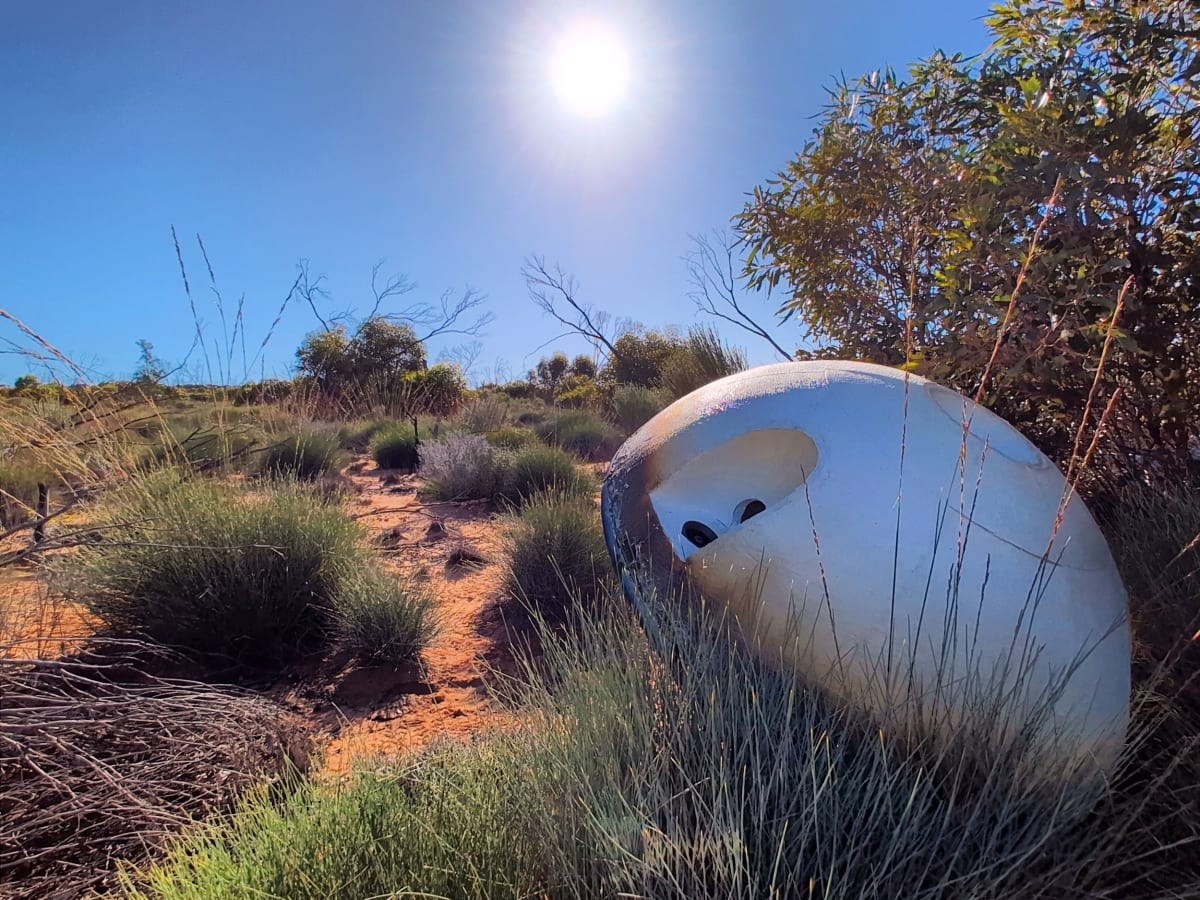
Varda Space Industries successfully landed its sixth spacecraft at a test range in South Australia, marking the fourth capsule to touch down there in just 15 months. The company launched the mission on March 30 aboard a SpaceX rocket, carrying experiments funded by the Air Force Research Laboratory.
This wasn't just another space flight. The capsule tested autonomous navigation using stars and satellites during the fiery plunge back to Earth. Temperature sensors embedded in its nose collected data that would normally take years to gather using traditional testing methods. NASA even included experimental heat shield tiles made with new manufacturing techniques.
The secret to Varda's rapid progress? CEO Will Bruey calls it "delta-v arbitrage." The company buys cheap rides to orbit on SpaceX rockets, then sells the extreme conditions of reentry to customers who used to need expensive dedicated launches. Every spacecraft rolling off their assembly line can fly either a defense mission or a pharmaceutical research mission.
That flexibility matters because Varda has its sights set on something bigger than hypersonic testing. In mid-May, the company announced a partnership with United Therapeutics to develop new formulations of drugs in microgravity, starting with treatments for rare lung diseases.
Scientists at both companies are reviewing which medications could benefit from being manufactured in the unique environment of space. They're asking not just what's scientifically possible, but what makes economic sense to produce.
The Ripple Effect
Bruey expects the first United Therapeutics drug to fly in 2027. If results look promising, clinical trials would follow. By 2030 to 2035, a patient could receive the first injection of a medication that could only be made in space.
"The way our customers think about Varda is they think the space part is cool, but they really ultimately don't care," Bruey explained at an aerospace conference. To pharmaceutical companies, Varda isn't a space company at all. It's a drug company that happens to use orbit as a manufacturing facility.
The implications stretch far beyond a single medication. If microgravity manufacturing works for one drug, it could work for many others. Rare diseases affecting small patient populations could suddenly have treatment options that weren't economically viable to develop on Earth.
Varda invested 80% of its capital into building a spacecraft assembly line that can handle frequent missions. The remaining 20% went into developing pharmaceutical lab equipment that works in space. That assembly line approach is what makes their rapid mission cadence possible.
Bruey put it bluntly: "Either we revolutionize the pharma industry or we become a boring hypersonics company. There's really no in-between."
With six successful missions under their belt and pharmaceutical partnerships forming, Varda is proving that manufacturing in space isn't decades away anymore.
More Images


Based on reporting by SpaceNews
This story was written by BrightWire based on verified news reports.
Spread the positivity!
Share this good news with someone who needs it