Startup Raises $170M to Launch Data Centers in Space
A company just became a billion-dollar "unicorn" by putting powerful computers in orbit, opening the door to a new era of space-based technology. While challenges remain, the successful test of AI training in space proves this futuristic vision is closer than ever.
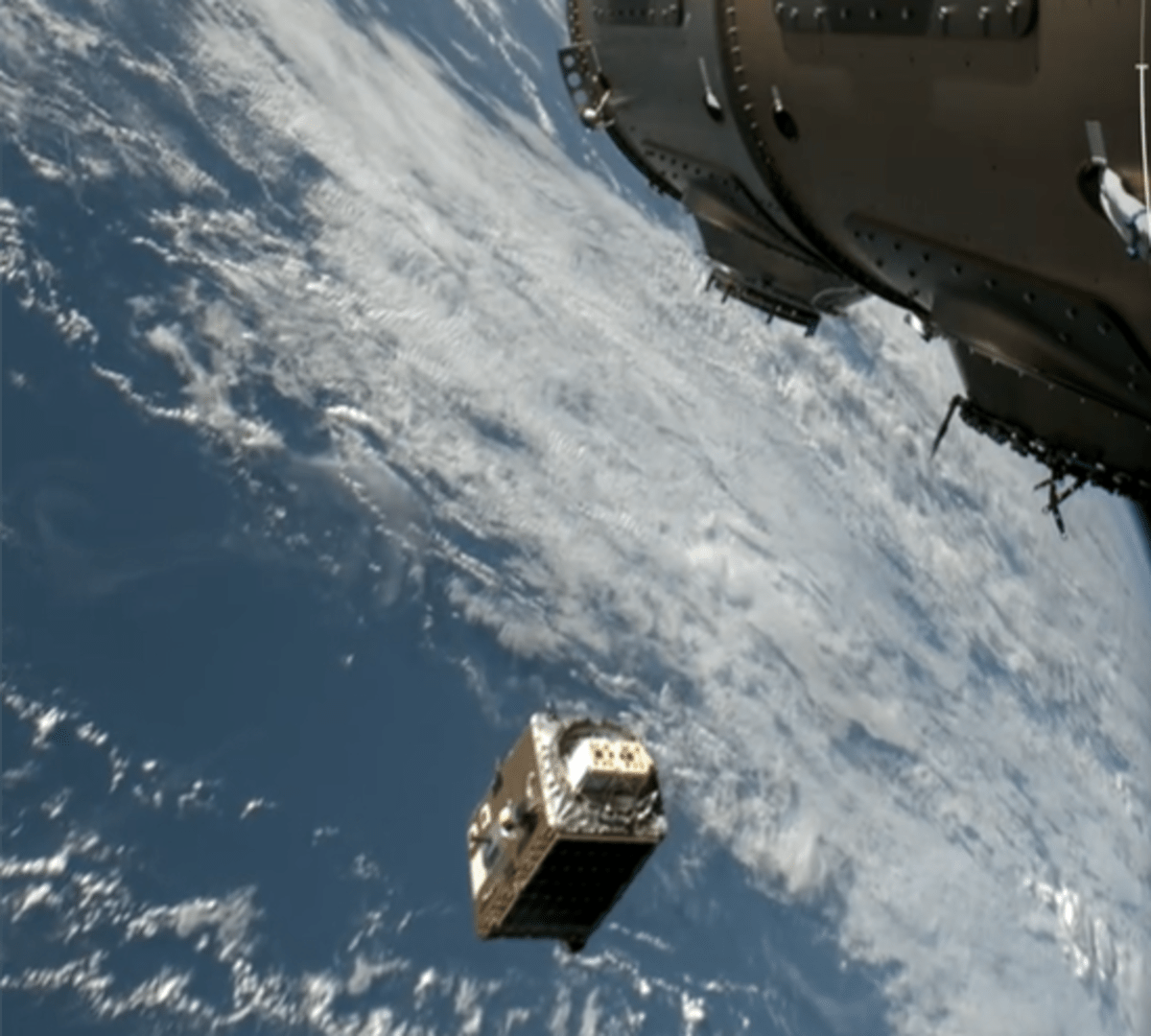
Starcloud just raised $170 million to build data centers that orbit Earth, reaching a $1.1 billion valuation faster than almost any startup in history. The company successfully launched its first satellite with a powerful Nvidia H100 chip last November and made history by training an AI model in space for the first time.
The idea sounds like science fiction, but it solves a real problem. Building massive data centers on Earth faces growing obstacles around energy, land, and politics. Moving some of that computing power to space could ease the pressure while opening new possibilities for processing data directly in orbit.
Starcloud's first satellite is already working, analyzing radar data for another space company called Capella Space. CEO Philip Johnston says the real breakthrough will come when SpaceX's Starship rocket starts flying regularly, expected around 2028 or 2029. That's when space data centers could potentially compete with Earth-based ones on cost, hitting around five cents per kilowatt hour of power.
The journey hasn't been smooth. One chip failed during launch, teaching the team valuable lessons about what works in the harsh environment of space. The next satellite, launching later this year, will carry multiple advanced chips and the largest cooling radiator ever flown on a private spacecraft.
Big technical puzzles still need solving. Space computers need efficient power generation, effective cooling systems for chips that run hot, and eventually laser links between satellites to handle the largest computing jobs. Most experts think simpler tasks will happen in space first, with the most demanding workloads coming later.
Johnston isn't worried about competition, even from SpaceX, which has asked permission to launch a million satellites for distributed computing. He sees room for multiple players serving different customers and needs.
The Ripple Effect
This breakthrough extends far beyond one company's success. Several other startups, including Aetherflux, Google's Project Suncatcher, and Aethero, are also racing to make space computing viable. Together, they're creating an entirely new industry that could reshape how we think about powering the digital world.
The environmental benefits could be significant too. Space offers unlimited solar energy without weather interruptions, and orbiting data centers wouldn't strain Earth's power grids or water supplies needed for cooling. As climate concerns grow, this alternative becomes more attractive.
With $200 million raised total and proven technology already in orbit, Starcloud demonstrates that space data centers aren't just dreams anymore.
More Images


Based on reporting by TechCrunch
This story was written by BrightWire based on verified news reports.
Spread the positivity!
Share this good news with someone who needs it