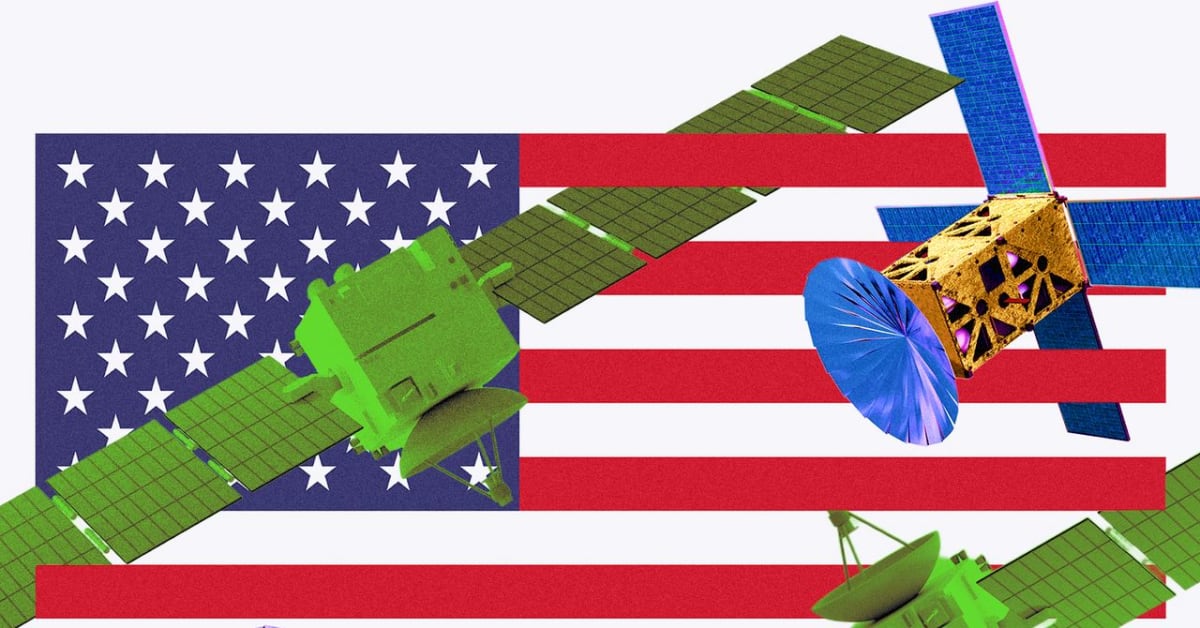
Startups Make Satellites Affordable for Anyone
A new wave of space startups is making satellite technology accessible to everyday customers, not just governments. Companies like Basalt Space are building satellites in San Francisco apartments and offering them at prices thousands of businesses can afford.
Five engineers in their twenties just built a satellite in a dust-free tent inside their San Francisco apartment, working 22-hour days to meet their launch deadline. It's not science fiction—it's the new reality of America's booming satellite industry.
Max Bhatti and his team at Basalt Space represent a fresh generation of companies making satellite technology available to regular customers for the first time. For two years, they've lived and worked in three connected apartments in Lower Nob Hill, complete with ramen stacks and an outdoor gym, racing to deliver something that until recently only governments could access.
Their vision is simple but revolutionary: let any business lease or own satellites the same way they rent cloud computing power today. Farmers could spot crop diseases before they spread. News organizations could track migration patterns and trade routes in real time.
The cost of manufacturing and launching satellites has dropped dramatically over the past five years, making this possible. What once required billions in government funding now costs thousands of dollars per month, putting space technology within reach of small businesses and research groups.
Bhatti sees immediate applications everywhere. When Planet Labs and other providers recently restricted satellite feeds from the Middle East during the Iran conflict, potential customers realized the value of owning their own data streams. "No one can cut you in line. No one can turn off the data," Bhatti explains.
The Ripple Effect
This shift is transforming who gets access to space. From 1957 until just recently, governments and defense contractors controlled nearly all satellite data. Now, roughly 15,000 satellites orbit Earth, and forecasts predict that number will grow four to five times by 2030.
The breakthrough came from clever engineering. Satellite makers discovered they could use components from regular computer servers and harden them with shields and chemical sprays to withstand space radiation. These lighter, cheaper parts mean companies can launch more satellites for the same price, multiplying what's possible.
SpaceX's reliable and affordable launch vehicles solved another major hurdle. Between 2009 and 2016, roughly half of small satellite attempts failed, but dependable rockets changed everything. The company's upcoming public stock debut could push capabilities even further.
The industry reached $130 billion globally in satellite manufacturing and data services last year. Basalt and similar startups are using AI to operate their satellites instead of people, further cutting costs and complexity.
These young engineers are betting that once businesses experience having their own eyes in the sky, they won't want to go back to depending on gatekeepers. The space age isn't just for superpowers anymore—it's opening up for everyone.
More Images




Based on reporting by Wired
This story was written by BrightWire based on verified news reports.
Spread the positivity!
Share this good news with someone who needs it