States Push Clean Energy Rules for AI Data Centers
As AI's energy demands threaten climate goals, states are fighting back with laws requiring data centers to run on renewable power. Tech giants and utilities are finding creative ways to meet the challenge.
The artificial intelligence boom is creating an energy crisis, but several states are turning it into an opportunity for clean energy innovation.
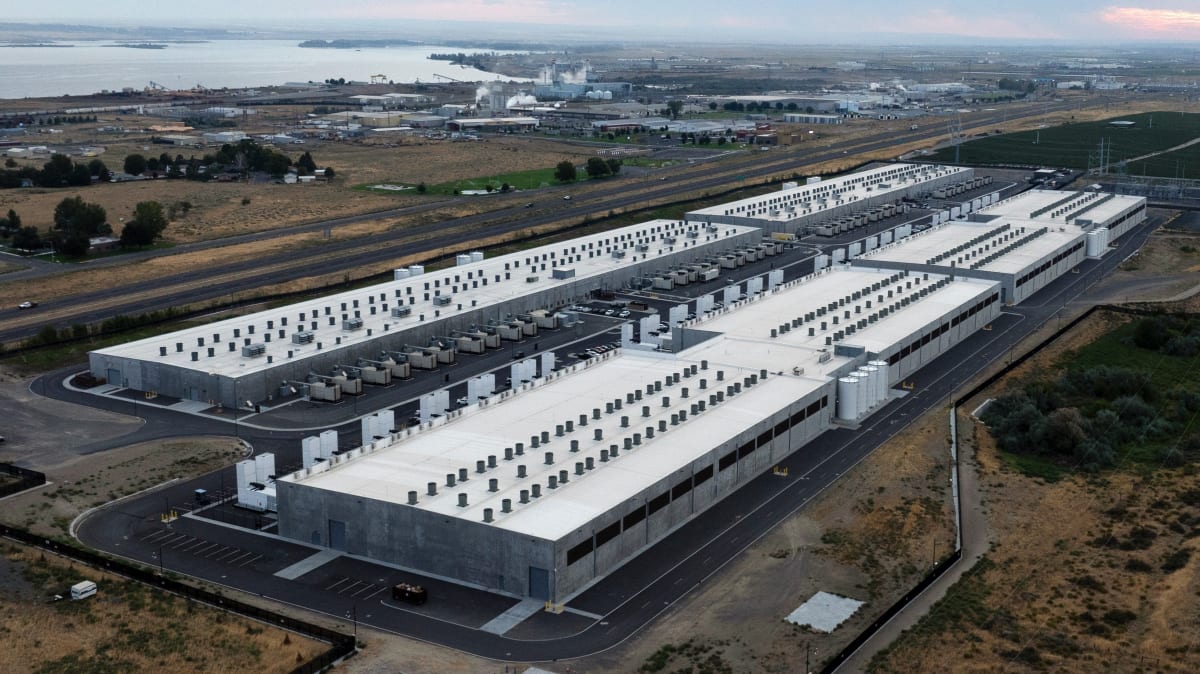
Data centers powering AI consume more electricity than mid-size cities, and tech companies need power so fast that traditional renewable energy construction can't keep up. The result has been a surge in natural gas plants and extended lifespans for coal plants that were supposed to close.
But states with climate goals aren't backing down. New York, Michigan, Oregon, and Minnesota have passed laws requiring data centers to meet strict renewable energy targets. New York's proposed law would require large data centers to get 90% of their power from renewables by 2040.
"We are literally talking about the wealthiest companies in the world," said New York State Senator Kristen Gonzalez. If tech giants can afford billions for data centers, they can afford renewable energy to power them.
Michigan took a different approach, requiring hyperscale data centers to meet a 90% clean energy requirement within six years to qualify for sales tax exemptions. Oregon and Minnesota ordered regulators to ensure data center energy aligns with their emissions reduction goals.
The clean energy push is working. Regulators are approving innovative projects that connect renewable energy directly to the grid. Google secured approval for a 115-megawatt geothermal project in Nevada and a massive 1,900-megawatt wind, solar, and battery storage project in Minnesota.
Colorado regulators ordered Xcel Energy, the state's largest utility, to create a program letting big power users build clean energy projects that connect to the grid. The utility agreed the program could benefit customers.
Tech companies are investing billions in their own zero-emissions projects. They're partnering with utilities to expand grid access and proving that rapid renewable energy deployment is possible when the stakes are high enough.
The Ripple Effect
This fight over AI's energy appetite is accelerating the entire clean energy transition. States are learning that setting firm requirements works. Utilities are discovering they can profit by connecting renewable projects they don't have to build themselves. Tech giants are proving that massive energy needs can be met without fossil fuels.
The regulatory frameworks being developed now will shape how America powers everything from electric vehicles to manufacturing. When the world's wealthiest companies commit to clean energy at this scale, they drive down costs and prove viability for everyone else.
Environmental groups, energy entrepreneurs, and business associations are working together in ways that seemed impossible a few years ago. The pressure from AI's energy demands is forcing faster innovation in battery storage, geothermal power, and grid technology.
These state-level victories are demonstrating that economic growth and climate action can advance together, not in opposition.
The AI revolution could have locked in decades of fossil fuel dependence, but instead it's becoming a catalyst for America's clean energy future.
More Images
Based on reporting by Google News - Clean Energy
This story was written by BrightWire based on verified news reports.
Spread the positivity!
Share this good news with someone who needs it