States Rush Clean Energy Projects to Save Billions
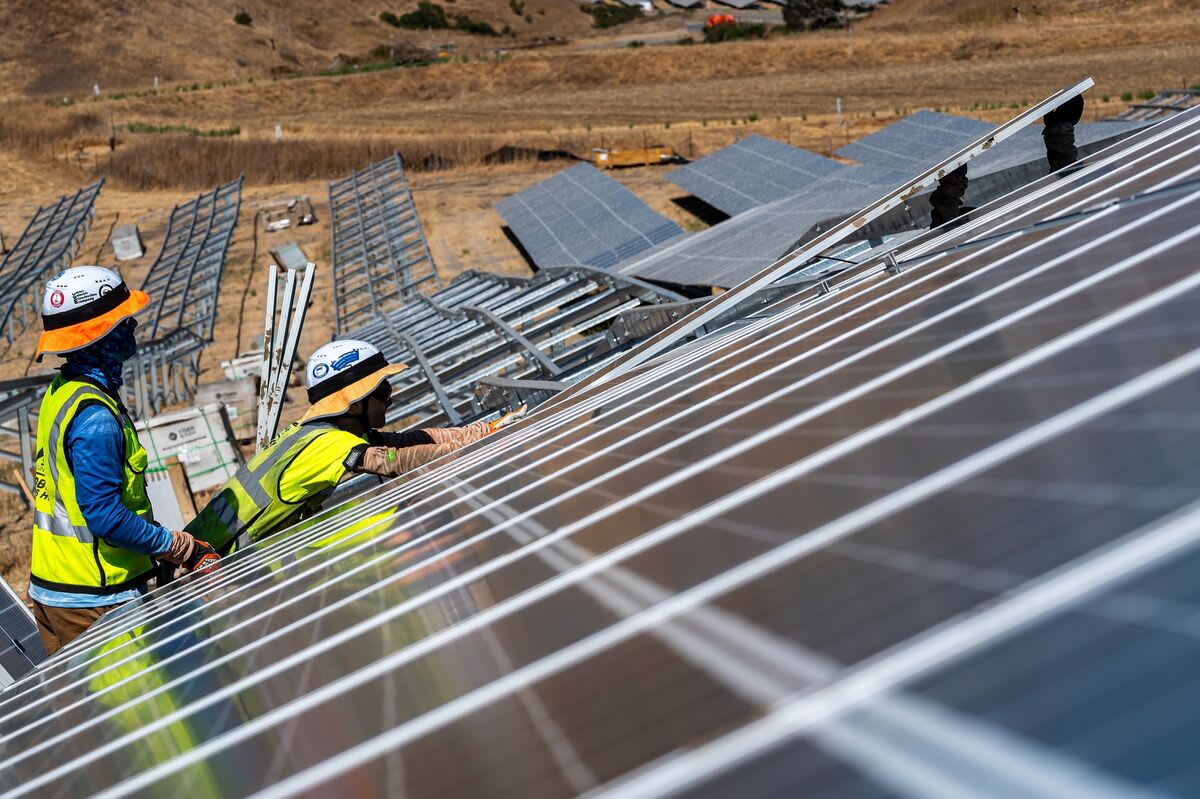
Seven states are racing to lock in billions of dollars in federal clean energy tax credits before they expire on July 4, 2026. The rush could mean lower electricity bills for millions of Americans as power costs become a hot campaign issue.
As electricity bills climb across America, several states just found a way to help bring costs back down.
California, Colorado, Minnesota, New York, New Jersey, and Oregon are fast-tracking solar and wind projects to qualify for 30% federal tax credits that vanish after July 4. Any project that breaks ground by Independence Day gets the subsidy, which developers can use to offer cheaper power prices.
The timing couldn't be better for voters. Soaring power bills have become a top issue heading into the 2026 elections, especially as data centers push demand even higher. States see these tax credits as a lifeline to keep electricity affordable while still meeting clean energy goals.
California alone is adding 6,000 megawatts of new clean energy capacity between now and 2032. That's enough to power more than a million homes. Most will come from solar farms paired with battery storage that already have applications pending to connect to the grid.
"It is critical to get projects that qualify for these credits, primarily for customer affordability," said William Walsh, who handles energy procurement at Southern California Edison. His company has been signing contracts as fast as possible to lock in projects before the deadline.
The credits work by letting developers offset their taxes or sell the benefits to investors, making projects cheaper to build. Those savings get passed down to customers through lower electricity rates.
Battery storage projects get extra time, with a construction deadline extending to the end of 2033. But even with that buffer, developers still face years of site selection, environmental reviews, and permitting before they can break ground.
The Ripple Effect
The states taking action share something in common. They've all set ambitious targets to cut carbon emissions or generate more renewable energy. Now they're turning climate goals into kitchen table savings.
The push comes as renewable energy generated 1,162 terawatt-hours of electricity in the US last year, a 10% jump from 2024. That momentum helps explain why states want to capture every available dollar of federal support while it lasts.
Southern California Edison says it would be pursuing these projects anyway to help California reach carbon neutrality by 2045. The tax credits just make the path easier and more affordable for everyone paying monthly power bills.
This deadline is lighting a fire under clean energy like never before, and millions of households could see the benefits on their next electricity bill.
More Images

Based on reporting by Google News - Clean Energy
This story was written by BrightWire based on verified news reports.
Spread the positivity!
Share this good news with someone who needs it