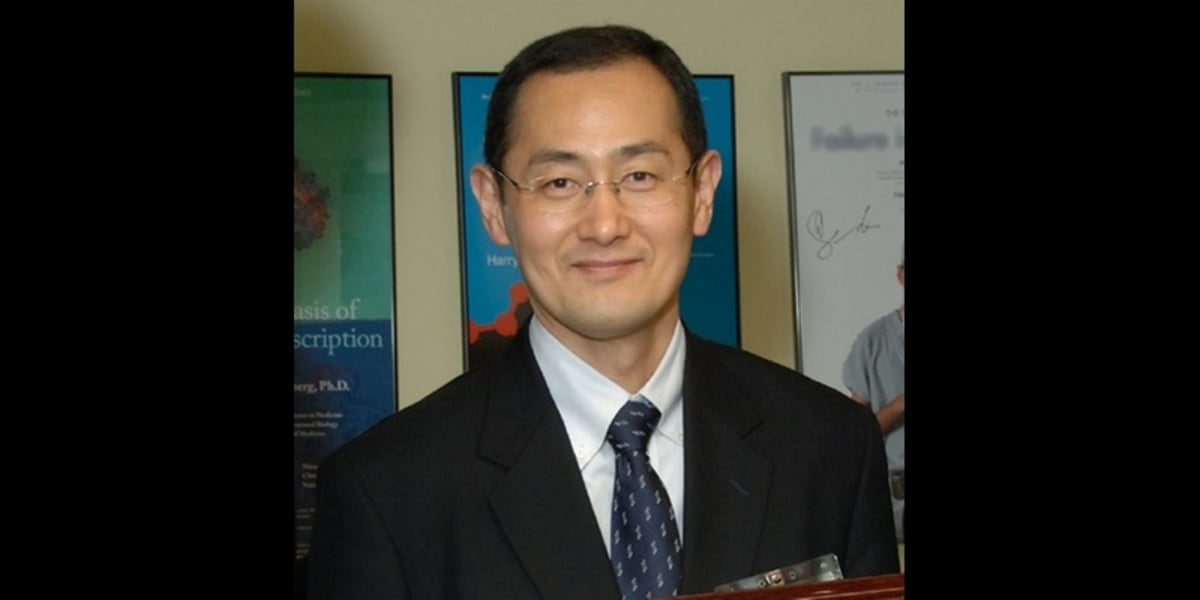
Stem Cell Breakthrough Lets Any Cell Turn Back Time
A Japanese scientist discovered how to transform ordinary adult cells into stem cells, eliminating the need for controversial embryonic tissue. His Nobel Prize-winning work is now helping patients with Parkinson's and other diseases get treatments using their own cells. #
Imagine if you could take a skin cell from your arm and convince it to become any type of cell your body needs. That's exactly what Shinya Yamanaka figured out how to do, and it changed medicine forever.
The Japanese researcher, who turns 64 today, discovered four genetic switches that can rewind adult cells back into stem cells. He called them the Yamanaka Factors, and they earned him a Nobel Prize in 2012.
Before Yamanaka's breakthrough, scientists had to use stem cells from embryos, placentas, or umbilical cords. His discovery meant researchers could create stem cells from a patient's own skin instead. No ethical concerns, no rejection by the immune system, just your own cells getting a second chance at life.
The discovery opened entirely new paths for treating diseases. Patients with Parkinson's disease or ALS now have hope that doctors could replace their dying brain cells with healthy new ones grown from their own tissue. The stem cells are less likely to be rejected because they match the patient's DNA perfectly.
Yamanaka shared his Nobel Prize with British scientist Sir John Gurdon, whose earlier work proved that cell reprogramming was possible. Together, their research showed that cells aren't locked into one identity forever.
Why This Inspires
Every major medical breakthrough starts with someone asking "what if?" Yamanaka wondered if fully grown cells could be convinced to act young again, and he didn't stop until he found the answer. His persistence gave millions of patients hope for treatments that didn't exist before.
The work continues today. Researchers are refining the technique to avoid mutations that could make reprogrammed cells unsafe. Yamanaka himself is still in the lab, working to make his discovery even better and safer for patients who need it most.
What started as a scientific curiosity about how cells work became a revolution in how we treat disease. Adult cells that seemed set in their ways learned they could transform into something new.
#
More Images



Based on reporting by Good News Network
This story was written by BrightWire based on verified news reports.
Spread the positivity!
Share this good news with someone who needs it