Stem Cells Show Promise for Premature Babies' Brain Injury
Scientists have found that stem cells from umbilical cords could help repair brain damage in babies born too early, offering hope where no treatments currently exist. After six years of research, the breakthrough is now ready for human trials.
Every year, 15 million babies worldwide arrive before they're ready, and the earliest arrivals face the highest risk of brain damage that can change their lives forever.
For the first time, researchers have discovered a potential treatment using stem cells from donated umbilical cords. The international PREMSTEM project, led by RMIT University, spent six years investigating whether these special cells could help tiny brains heal after the trauma of premature birth.
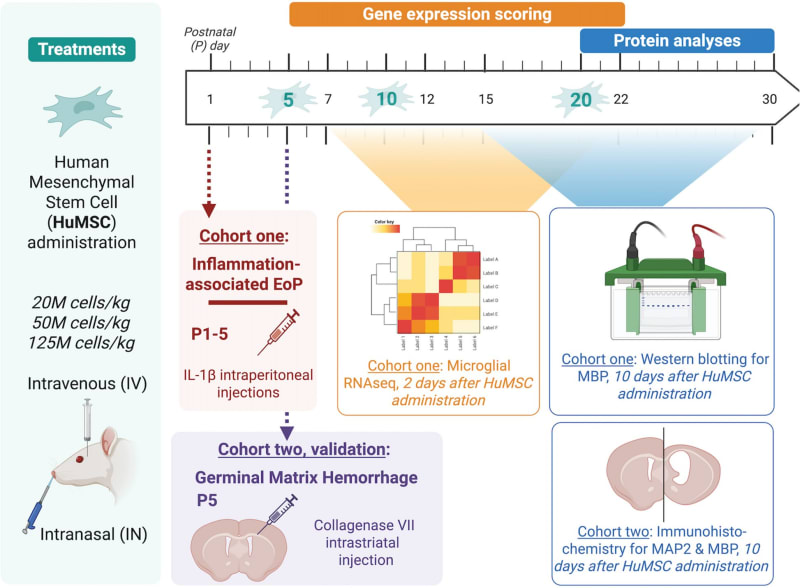
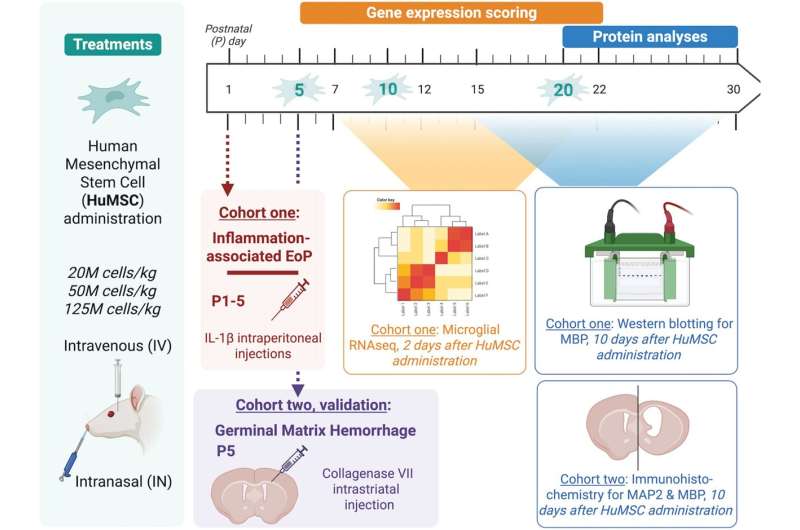
Associate Professor Bobbi Fleiss and her team had three big questions to answer. They needed to figure out the perfect timing for treatment, the best way to deliver the cells, and exactly how many cells would make a difference.
The researchers tested different approaches in lab models of brain injury, creating a scoring system to track what worked best. The winning combination surprised them: delivering stem cells through the nose shortly after injury occurred produced the most promising results.
But the breakthrough goes beyond just treating damaged brain cells. The stem cells actually helped other cells in the brain repair themselves, like giving the brain its own toolkit for recovery after trauma.
The team also developed new ultrasound technology that lets doctors check for brain injury right at a baby's bedside. This means families can stay together during diagnosis instead of being separated for invasive procedures.
The Ripple Effect
What makes this research especially meaningful is how researchers involved the people who matter most. Parents, nurses, patient advocates, and doctors all participated in workshops to share their concerns and questions about stem cell safety.
Together, they created a roadmap for future clinical trials that puts families first. This approach ensures that when human trials begin, they'll address real worries and provide information parents actually need.
The research team collaborated across borders, bringing together experts in bioinformatics, medical imaging, design, and clinical care. Their combined efforts transformed what we know about helping the brain heal during its most vulnerable stage.
Right now, doctors can only watch and wait when premature babies suffer brain injuries. This research changes that story, offering the first real hope for treatment that could prevent lifelong disability.
The next chapter begins with human trials, built on six years of careful science and guided by the voices of families who need this breakthrough most.
More Images
Based on reporting by Medical Xpress
This story was written by BrightWire based on verified news reports.
Spread the positivity!
Share this good news with someone who needs it