Stony Brook Discovers Non-Opioid Pain Relief Breakthrough
Researchers at Stony Brook University have developed a groundbreaking pain medication that could help millions of Americans suffering from chronic pain without the risk of addiction. The experimental therapy just secured $11 million in funding and is heading toward human trials in 2027.
Scientists may have just found a way to help millions of Americans manage severe pain without the devastating risks of opioid addiction.
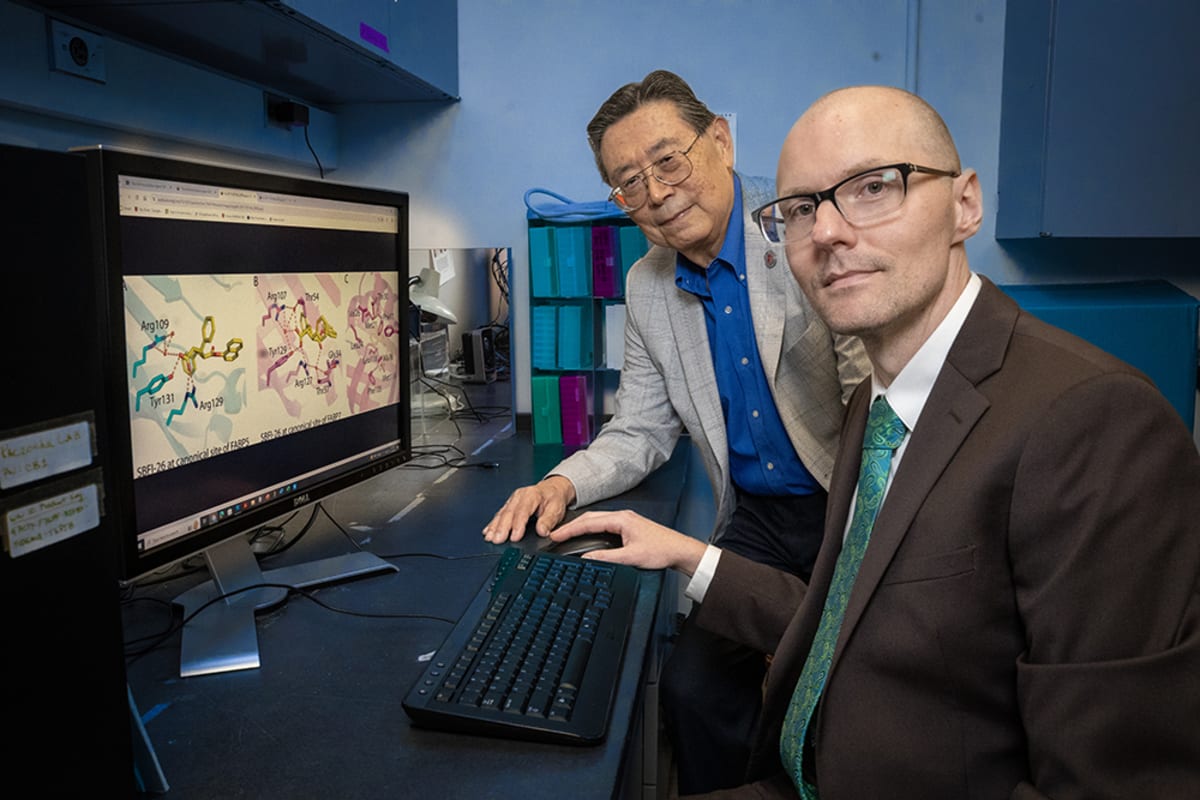
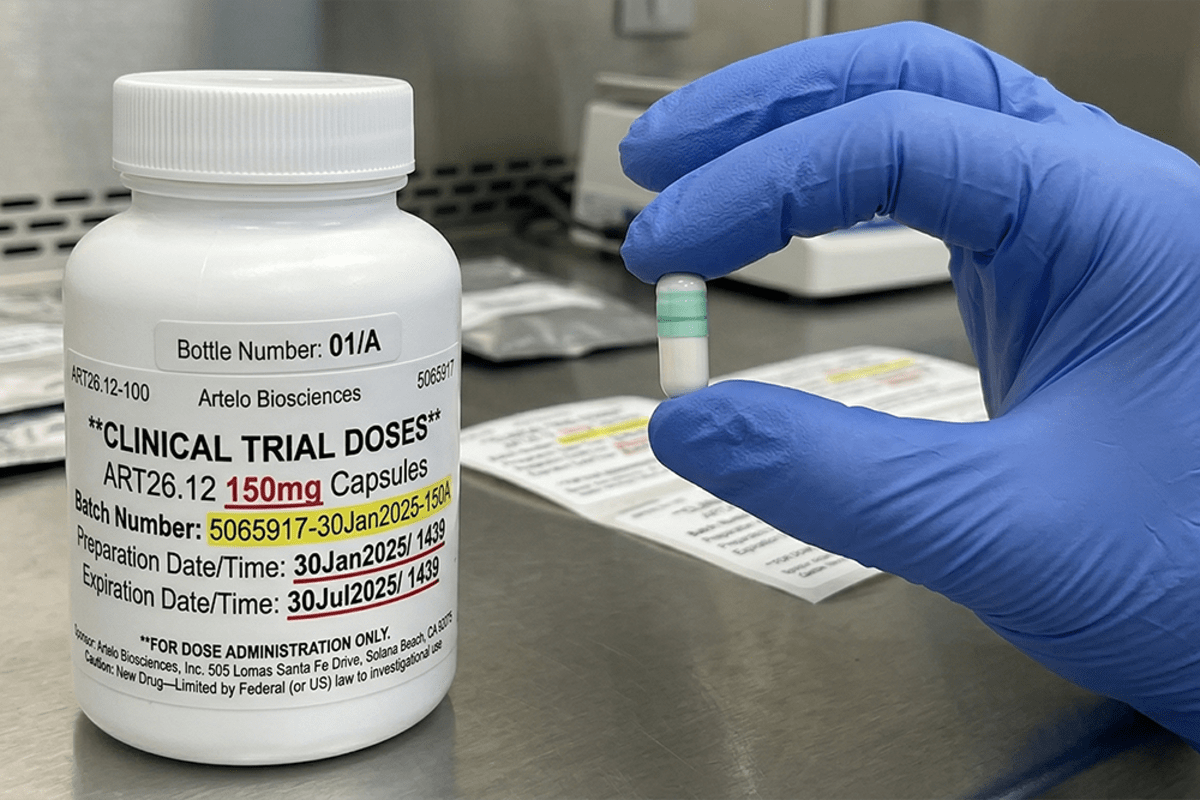
Researchers at Stony Brook University in New York have developed ART26.12, a first-of-its-kind pain therapy that works completely differently than traditional painkillers. Instead of targeting opioid pathways in the brain, it focuses on a specific protein called FABP5 that plays a role in chronic pain development.
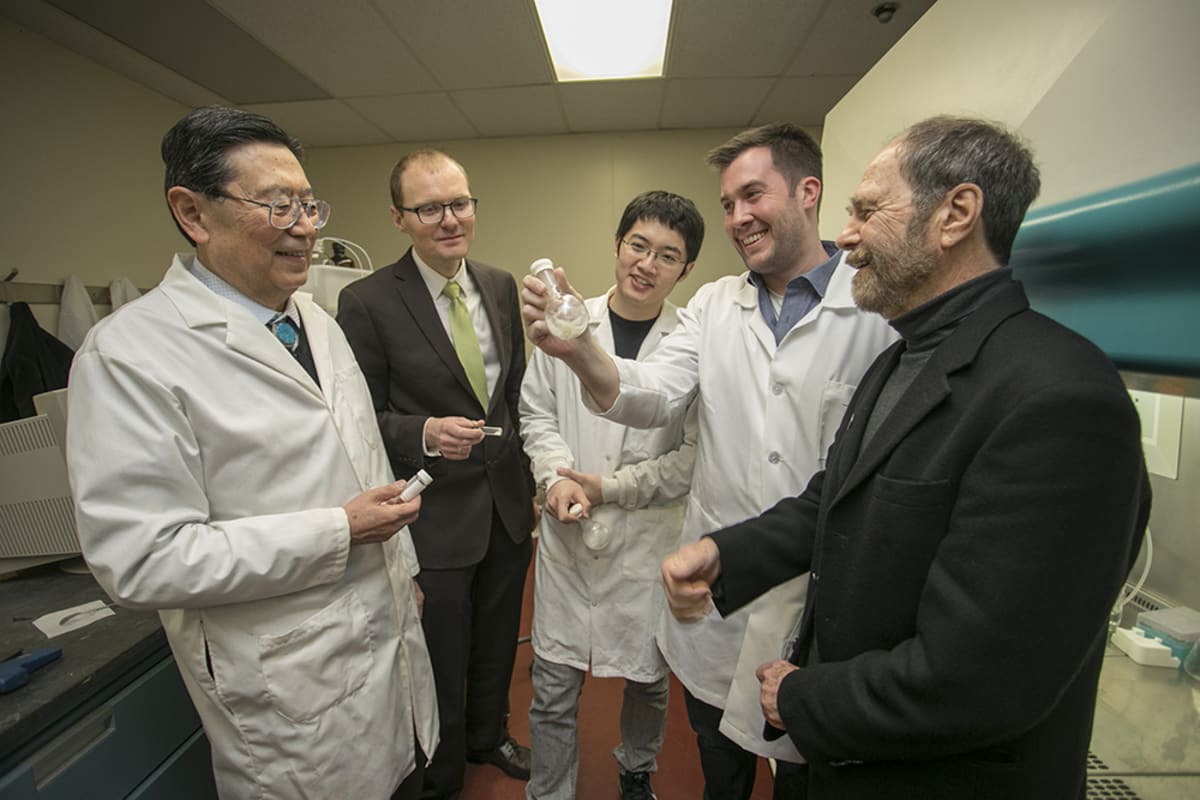
The breakthrough came from collaboration between chemistry professor Iwao Ojima and anesthesiology professor Martin Kaczocha. Together, they identified fatty acid-binding proteins as promising targets for an entirely new approach to pain management.
The timing couldn't be more critical. More than 20 percent of Americans experience chronic pain every year, and existing treatments often provide only partial relief while carrying serious side effects or addiction risks.
One of the most promising applications is for cancer patients. Up to 40 percent of people undergoing chemotherapy develop severe nerve pain so debilitating that some reduce or stop their potentially life-saving treatments. Currently, no FDA-approved therapies exist specifically for this condition.
Early laboratory studies show impressive results. ART26.12 both prevented and reduced nerve pain in preclinical models while also reducing weight loss, anemia, and stress symptoms.
The momentum behind this discovery keeps building. In March 2026, biotech company Artelo Biosciences secured $11 million in private investment to advance the therapy toward FDA approval. Earlier this year, healthy volunteers completed Phase 1 trials with no safety concerns or adverse effects reported.
The Ripple Effect
This discovery represents more than just one new medication. It demonstrates an entirely different strategy for managing pain using what researchers call "functional lipidomics."
Beyond cancer patients, scientists believe ART26.12 could eventually help people suffering from diabetes-related nerve damage, spinal cord injuries, autoimmune disorders, and other neurological conditions. Approximately one in 11 Americans experiences peripheral neuropathy.
The therapy moved from university laboratory to clinical trials through a licensing partnership with Artelo Biosciences in 2018. Ojima and Kaczocha continued working with the company to refine and test the most promising compounds.
Patient trials are anticipated to begin in 2027, bringing hope to the estimated millions of Americans living with chronic nerve pain who desperately need safer alternatives to opioids.
This breakthrough showcases how American research universities are driving pharmaceutical innovation at a time when safer pain management options have never been more urgently needed.
More Images


Based on reporting by Google News - New Treatment
This story was written by BrightWire based on verified news reports.
Spread the positivity!
Share this good news with someone who needs it