Stony Brook Scientists Create Non-Addictive Pain Relief
Researchers at Stony Brook University have developed a groundbreaking pain medication that works without opioids, offering hope to millions struggling with chronic pain. The experimental treatment just secured $11 million in funding and is heading to patient trials in 2027.
For the first time in decades, people living with chronic nerve pain might have a way to find relief without the risk of addiction.
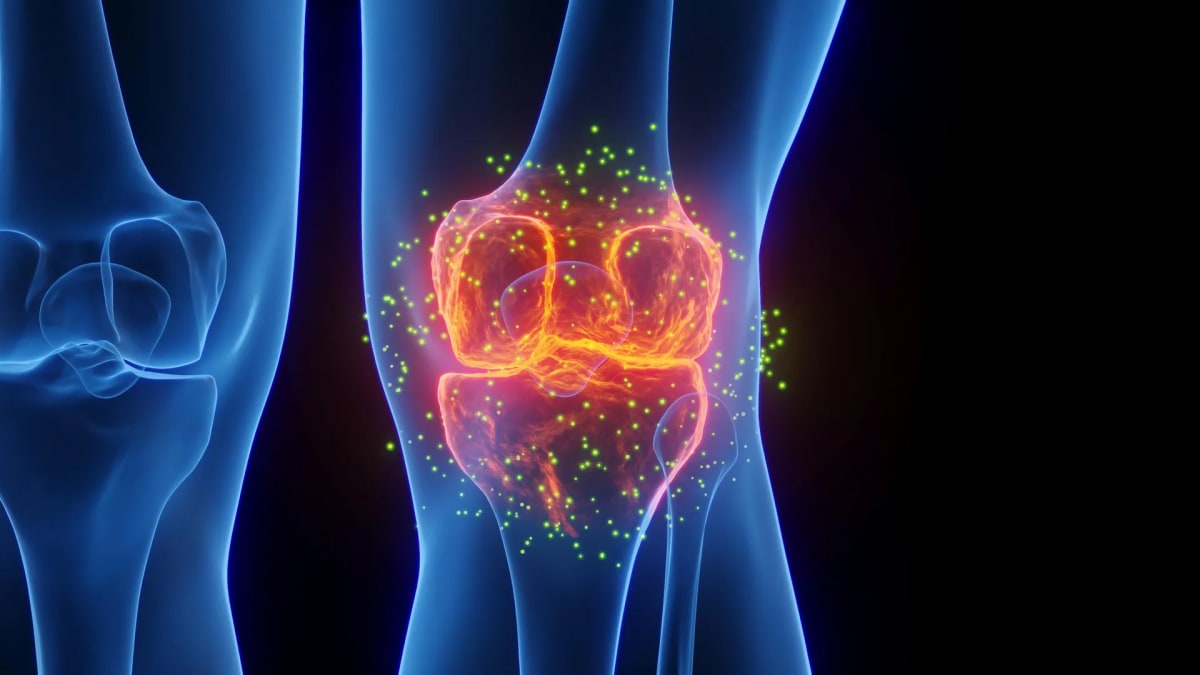
Scientists at Stony Brook University in New York have created ART26.12, a completely new type of pain medication that doesn't touch the brain pathways that make opioids so dangerous. The treatment targets a specific protein called FABP5 that's linked to chronic pain development, offering a fundamentally different approach to managing conditions that have plagued millions of Americans.
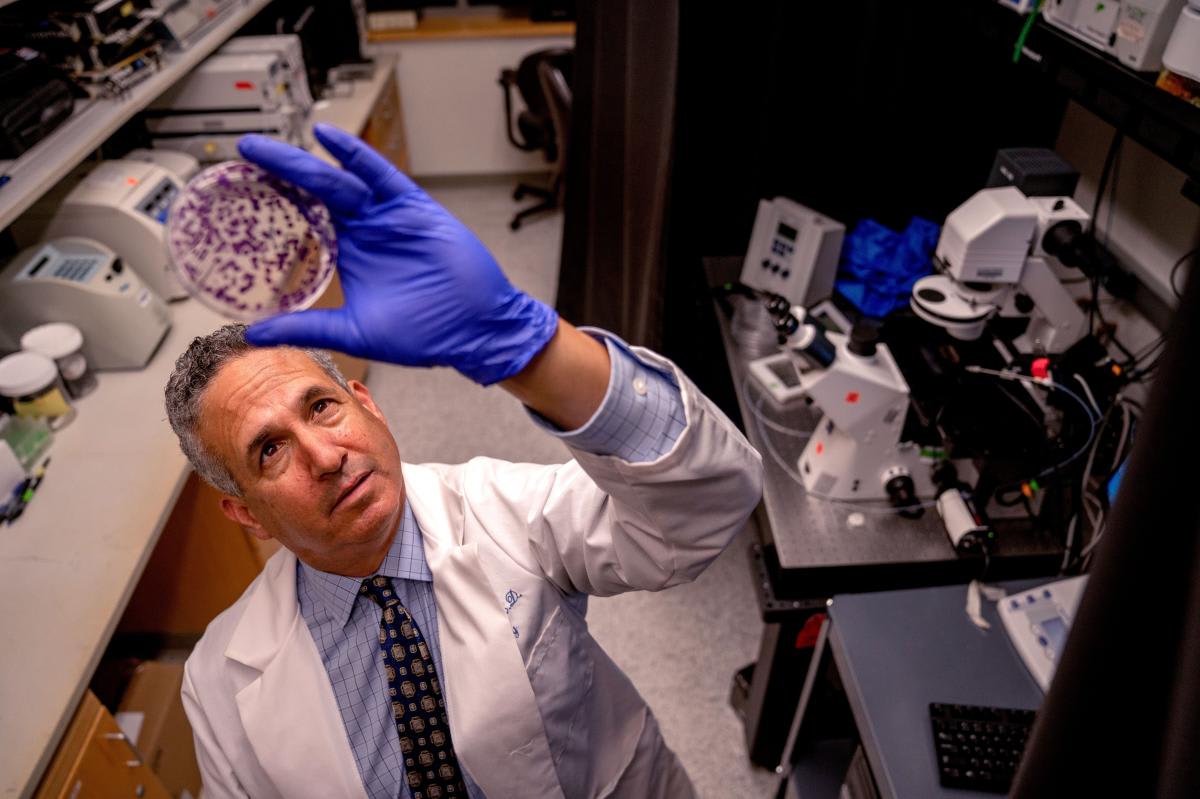
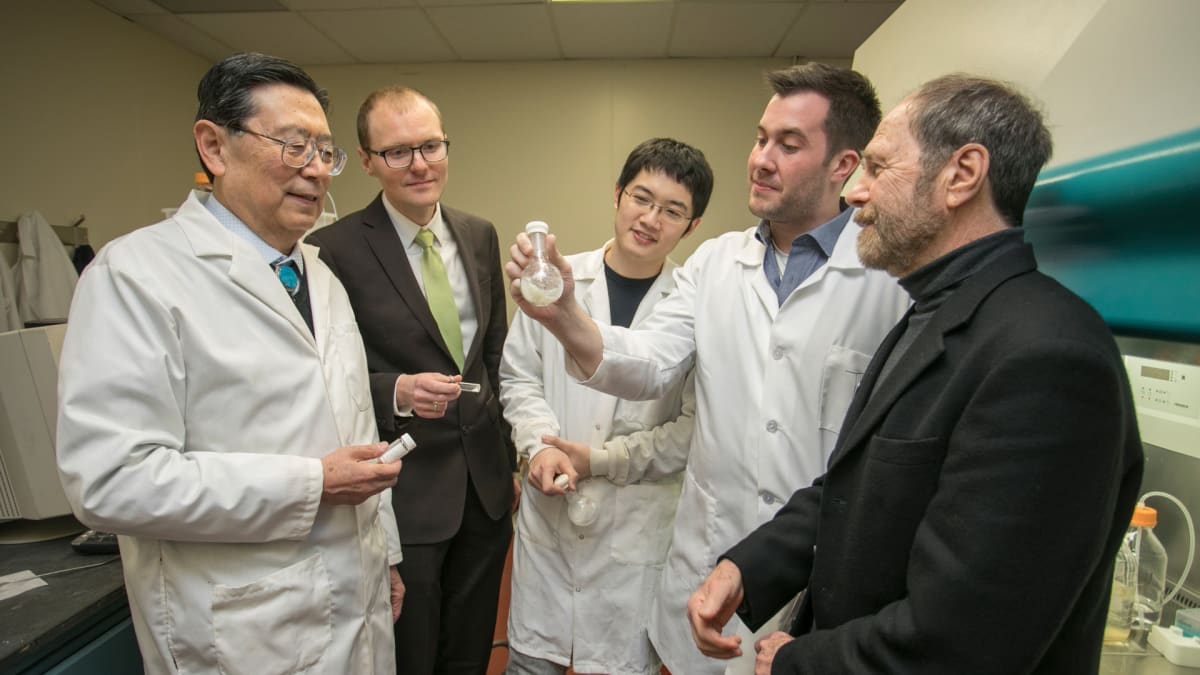
The discovery came from years of work by Iwao Ojima and Martin Kaczocha, two professors who identified fatty acid-binding proteins as promising targets for pain relief. Their research laid the foundation for a therapy that could help people avoid the dependency and addiction risks that come with traditional painkillers.
The timing couldn't be more critical. More than 20 percent of Americans experience chronic pain every year, and nerve pain often becomes a persistent nightmare that's nearly impossible to treat effectively.
One in 11 Americans suffers from peripheral neuropathy, the kind of pain this new treatment targets. Up to 40 percent of cancer patients undergoing chemotherapy develop such severe nerve pain that some reduce or even stop their life-saving treatments because the discomfort becomes unbearable.
The new therapy just attracted $11 million in private investment to push it toward FDA approval. In early 2026, the company developing it completed Phase 1 safety trials with healthy volunteers and found no concerning side effects or safety issues.
Preclinical studies showed that ART26.12 both prevented and reduced nerve pain in laboratory models. Researchers also noticed it helped with weight loss, anemia, and stress symptoms, with hints of possible benefits for certain cancer treatments.
The Ripple Effect
The impact of this discovery extends far beyond the lab. If approved, ART26.12 could help people with diabetes-related nerve damage, spinal cord injuries, autoimmune disorders, and other neurological conditions that cause chronic pain.
There are currently no FDA-approved treatments specifically for chemotherapy-induced nerve pain, meaning cancer patients have been left with few good options. This therapy could change that reality for hundreds of thousands of people each year.
The breakthrough also highlights how American universities are becoming powerhouses of medical innovation. Between 2020 and 2024, universities contributed patents for half of all FDA-approved drugs, with American institutions responsible for 87 percent of those academic discoveries.
Patient trials are scheduled to begin in 2027, bringing this university research one step closer to pharmacy shelves. Gregory Gorgas, CEO of Artelo Biosciences, the company developing the treatment, calls it "a completely new strategy using functional lipidomics to improve pain management."
After decades of watching the opioid crisis devastate communities, scientists are finally offering a different path forward for pain relief.
Based on reporting by Google: scientific discovery
This story was written by BrightWire based on verified news reports.
Spread the positivity!
Share this good news with someone who needs it