Stroke Therapy Shows Extra Benefits for Women Patients
Florida researchers discovered that an experimental stem cell treatment for stroke works differently in women than men, opening doors for personalized medicine. The breakthrough could help doctors tailor treatments based on biological sex.
Scientists at Florida State University just made a discovery that could change how we treat stroke patients forever.
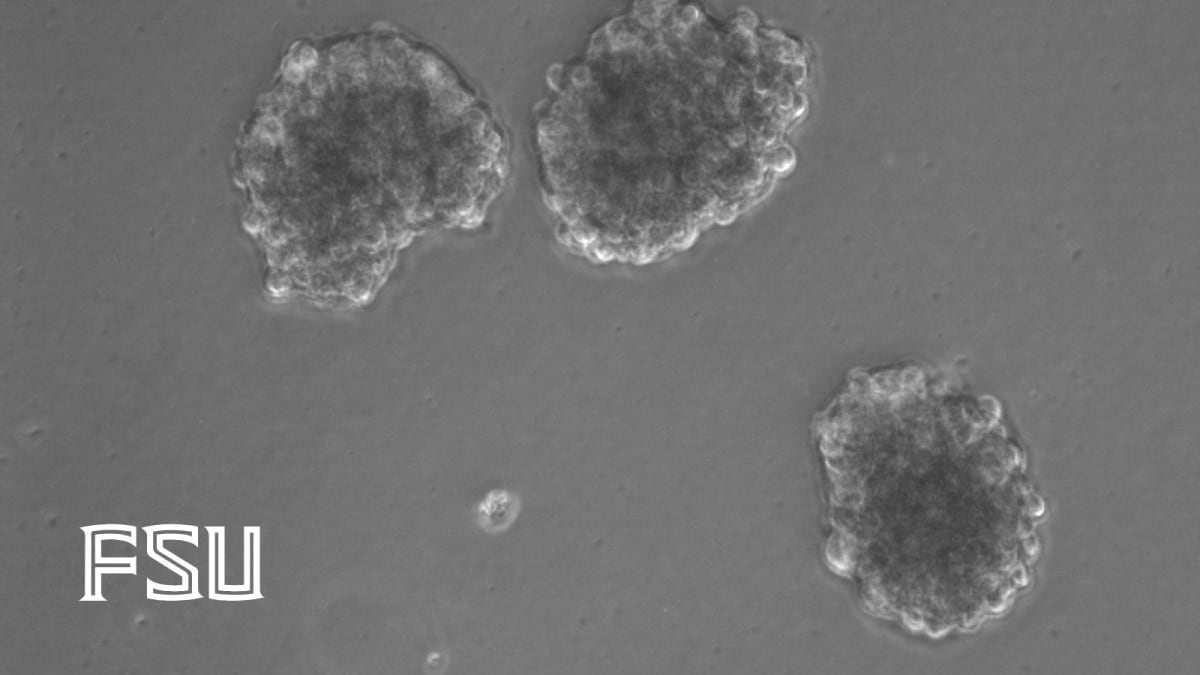
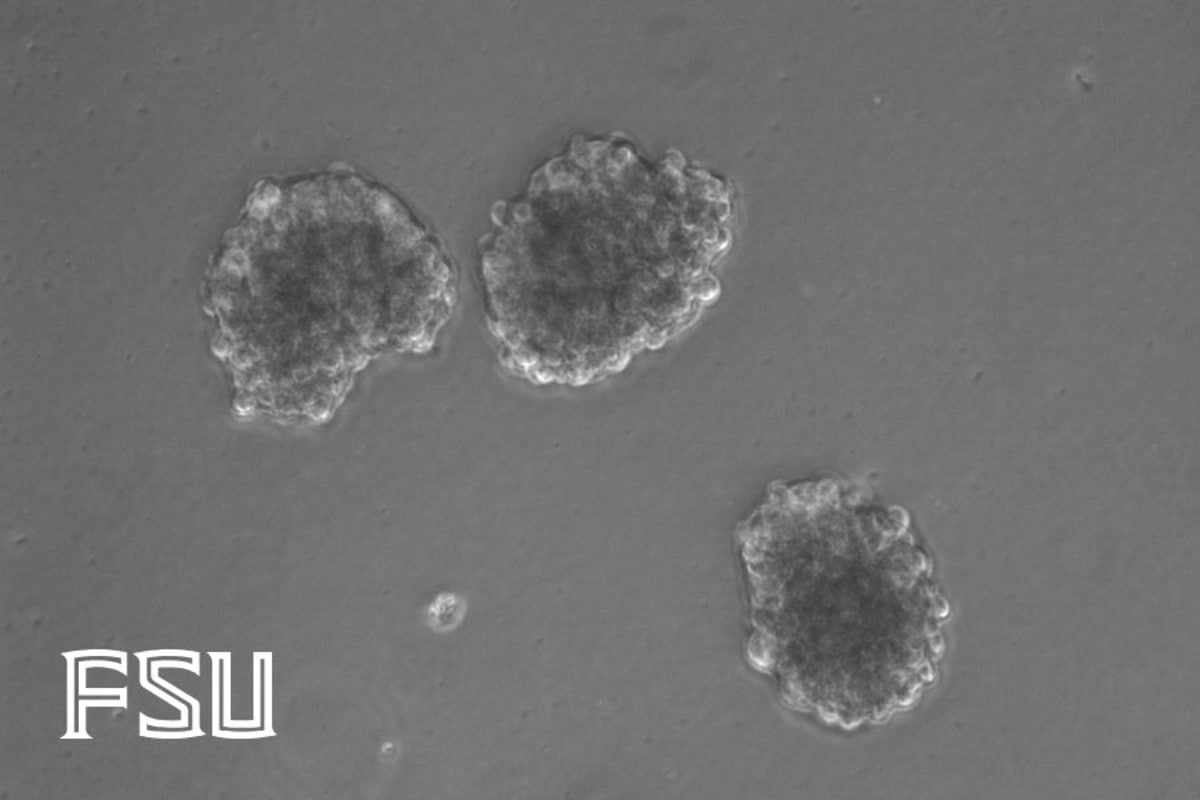
Researchers found that extracellular vesicles, tiny messenger particles harvested from stem cells, helped stroke recovery in both male and female rats. But the treatment worked even better in females, thanks to a powerful partnership with natural hormones.
The team tested these microscopic particles on rats who had ischemic strokes, where blood flow to the brain gets blocked. Using one of the world's most powerful MRI machines at the National High Magnetic Field Laboratory, they watched the rats' brains heal over several weeks.
Both male and female rats showed improvement. Brain scans revealed damaged tissue repairing itself and chemical balance returning to normal. But female rats experienced something extra.
Professor Yan Li explained that extracellular vesicles work with the body's own healing systems. In females, these particles teamed up with estrogen and progesterone, hormones that naturally protect the brain. Together, they created a supercharged recovery effect.
This matters because medical research has traditionally focused on male subjects. Scientists often skip female animals to avoid hormone-related variations in their data. But this study proves that understanding those differences could actually save lives.
Professor Samuel Grant put it simply: female patients get more bang for their buck. Even though estrogen already helps recovery, the EV therapy adds an extra boost that helps salvage more brain tissue and speeds up healing.
The treatment itself represents a huge leap forward. These vesicles are tiny enough to slip past the blood brain barrier, something larger stem cells struggle with. They deliver healing benefits without the risk of immune system rejection that comes with transplanting living cells.
The Ripple Effect
This research could transform treatment for the 800,000 Americans who suffer strokes each year. Women make up more than half of stroke victims and often face worse outcomes than men. Now scientists have a roadmap for developing therapies that work with female biology instead of ignoring it.
The breakthrough also opens doors beyond stroke treatment. Extracellular vesicles show promise for treating other brain conditions, from traumatic injuries to degenerative diseases. Understanding how they interact with sex hormones could personalize care across multiple fields.
Former FSU doctoral student Jamini Bhagu led this groundbreaking work, supported by teams of graduate and undergraduate students. Their findings prove that including both sexes in medical research doesn't just create complications. It creates opportunities.
The future of medicine might not be one-size-fits-all treatments, but personalized therapies that work with each patient's unique biology to maximize healing and hope.
More Images
Based on reporting by Google News - Researchers Find
This story was written by BrightWire based on verified news reports.
Spread the positivity!
Share this good news with someone who needs it