Students Break Record with 66-Foot Paper Airplane
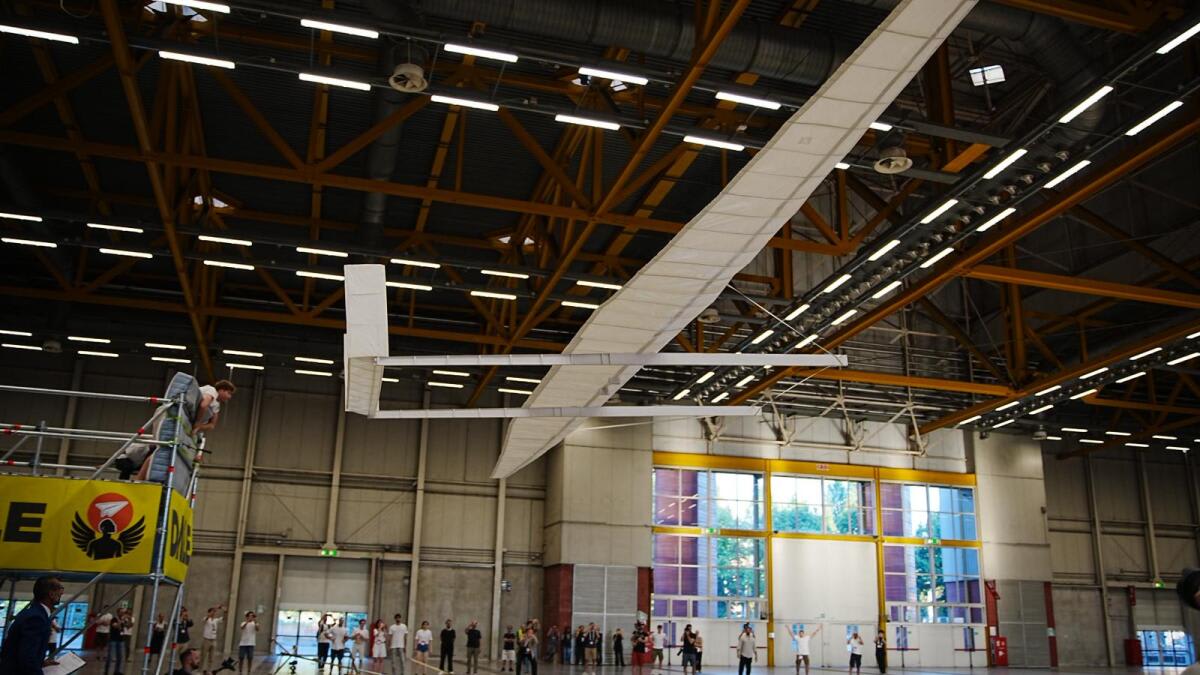
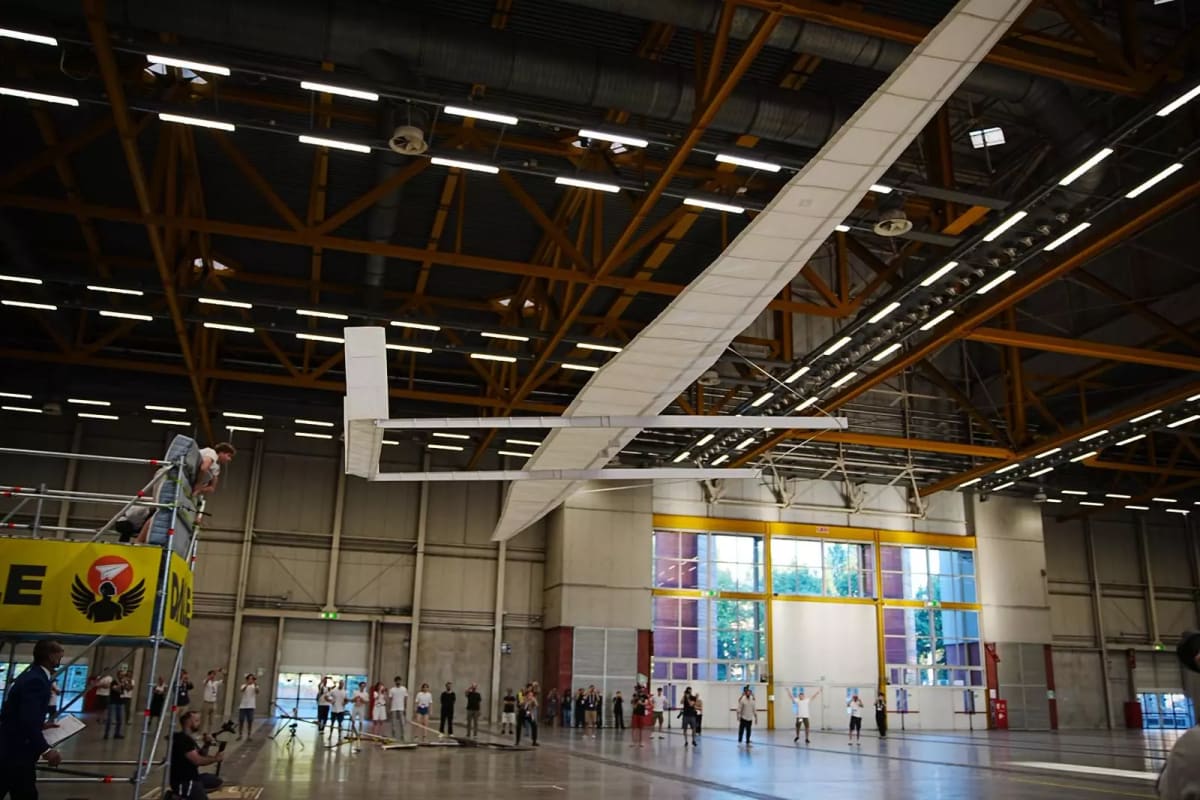
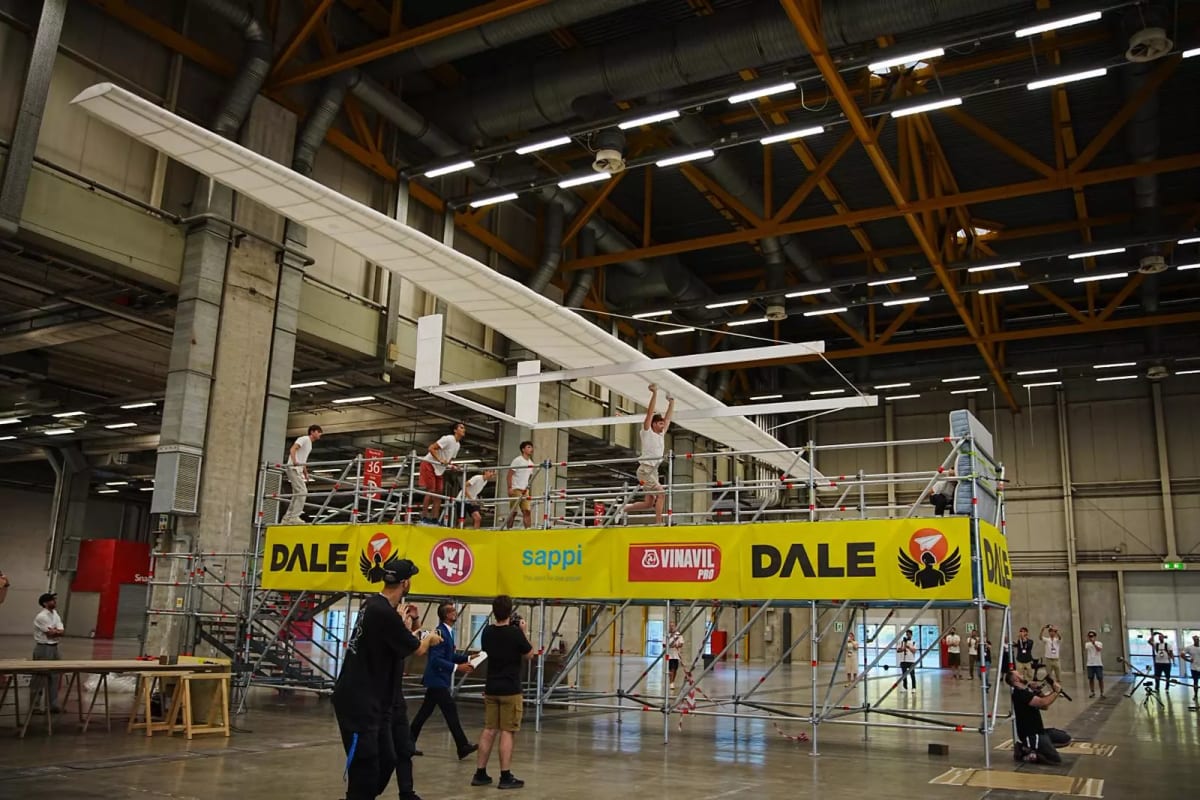
A team of Italian engineering students just built and flew the world's largest paper airplane, proving that classroom creativity can solve real engineering challenges. ICARUS soared 193 feet across a hangar in Bologna, shattering a record that stood for 13 years.
📺 Watch the full story above
Students at the University of Pisa turned a childhood pastime into a world record, building a paper airplane the size of a commercial jet wing and flying it nearly 200 feet.
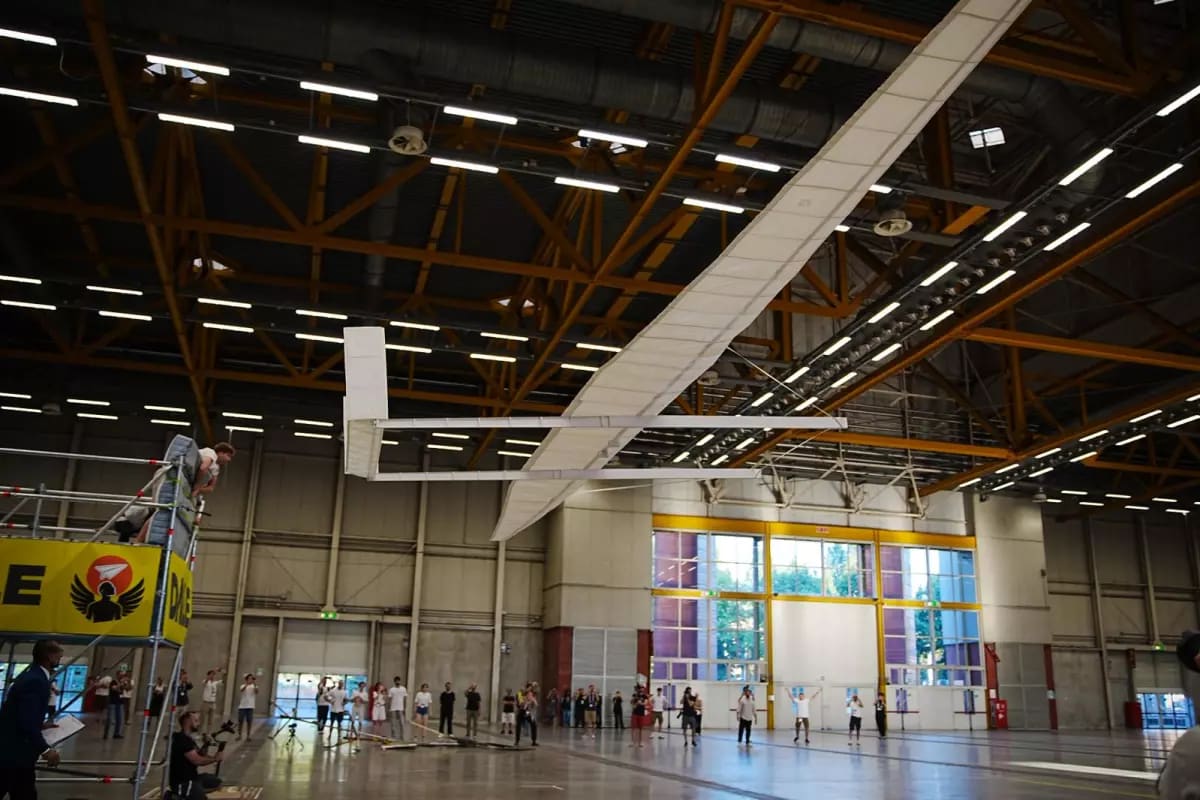
The team's creation, named ICARUS, stretches 23 feet long with a 66-foot wingspan. Weighing just 63 pounds despite its massive size, the paper plane flew 193 feet at BolognaFiere in Italy on June 25, crushing the previous record held by Germany's Braunschweig Institute of Technology since 2013.
What makes this achievement remarkable isn't just the size. The students treated the project like designing a real aircraft, using aerospace engineering principles with an unconventional material.
They built ICARUS with spars, ribs, leading edges, and a stabilizing tail, just like a conventional plane. The structure used 660 pounds of paper and 132 pounds of glue, but the secret was geometry, not mass.
The team created a honeycomb internal structure using laminated paper sheets. Heavier 120-gram paper formed the frame while lighter 40-gram paper covered the surface. Every millimeter mattered as they balanced strength against weight.
Meeting Guinness World Record requirements added another layer of difficulty. A single person had to launch the plane from a platform up to 10 feet high, and it had to fly at least 49 feet. That meant ICARUS needed to function like a glider, prioritizing stability and lift efficiency.
The students spent months studying aerodynamics, running simulations, and testing smaller prototypes. They adjusted wing shape, surface area, and launch speed to generate enough lift for such an enormous but lightweight structure. Humidity became an enemy, threatening to warp the paper before flight day.
Science communicator Jakidale, who helped produce the project, watched the team's dedication firsthand. "When I met the guys from Pisa, I fell in love with a seemingly crazy idea: using paper and glue and the same logic used to design a passenger jet wing to build something that had never existed before," he said.
Why This Inspires
This project proves that innovation often starts with asking "what if" about something simple. The students didn't have access to carbon fiber or wind tunnels, but they had curiosity, collaboration, and determination to push boundaries.
Their work demonstrates that constraints breed creativity. By limiting themselves to paper and glue, they had to think harder about structure, weight distribution, and aerodynamics than if they'd used conventional materials.
The classroom became a real engineering lab where failure taught as much as success. Each collapsed prototype brought them closer to understanding how large-scale structures behave, lessons that will serve them throughout their careers.
Jakidale captured the spirit perfectly: "A 20-meter paper airplane may seem useless, and in a sense it is, but it is precisely by pushing things to the edge of engineering, for the sake of the challenge, that progress happens."
ICARUS proved that the impossible becomes possible when young minds refuse to accept limitations.
More Images
Based on reporting by Google News - World Record
This story was written by BrightWire based on verified news reports.
Spread the positivity!
Share this good news with someone who needs it