Students Build Electric Car You Can Fix Yourself
Engineering students in the Netherlands created an electric vehicle designed for regular people to repair at home, with swappable battery modules you can lift yourself. The prototype challenges an industry trend toward cars that only dealerships can fix.
Imagine owning an electric car you could actually repair in your driveway, with batteries light enough to swap yourself and an app that shows you exactly how to do it.
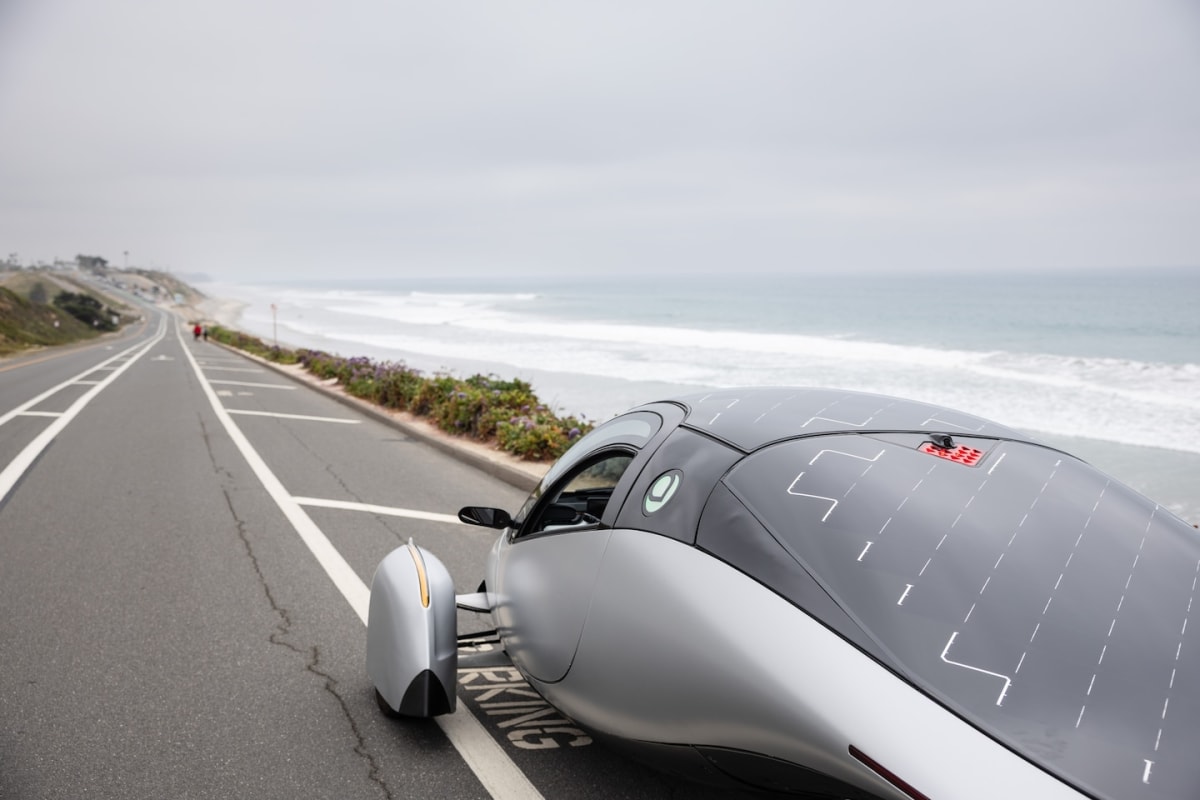
That's exactly what 20 engineering students at Eindhoven University of Technology in the Netherlands built. Their Aria EV prototype puts repairability first in a world where most electric vehicles require specialized dealership service for even basic maintenance.
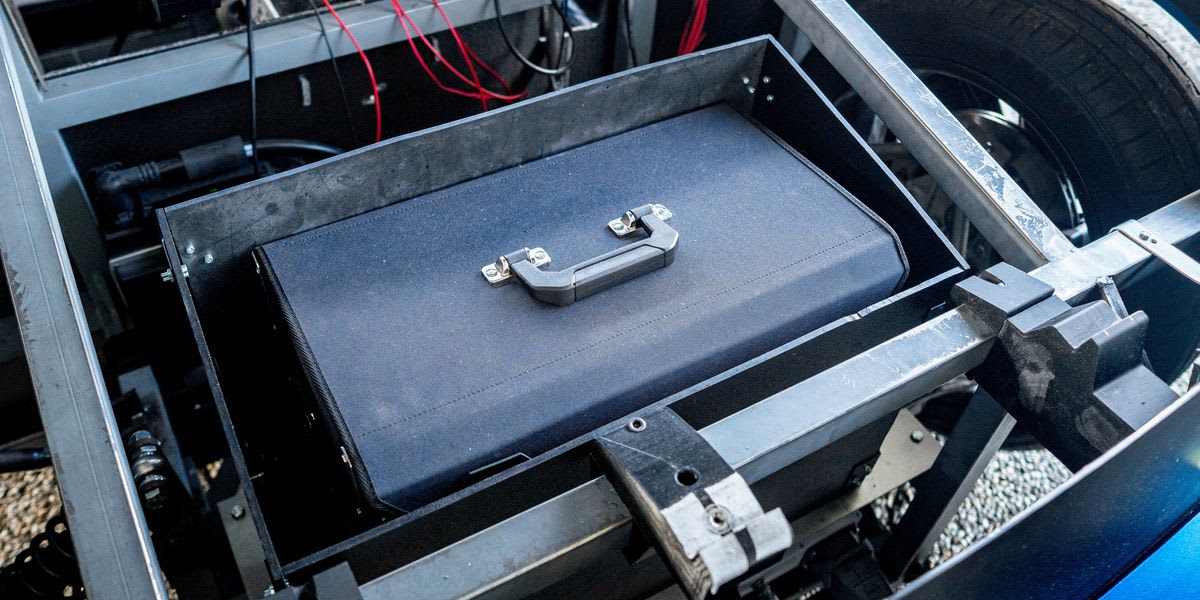
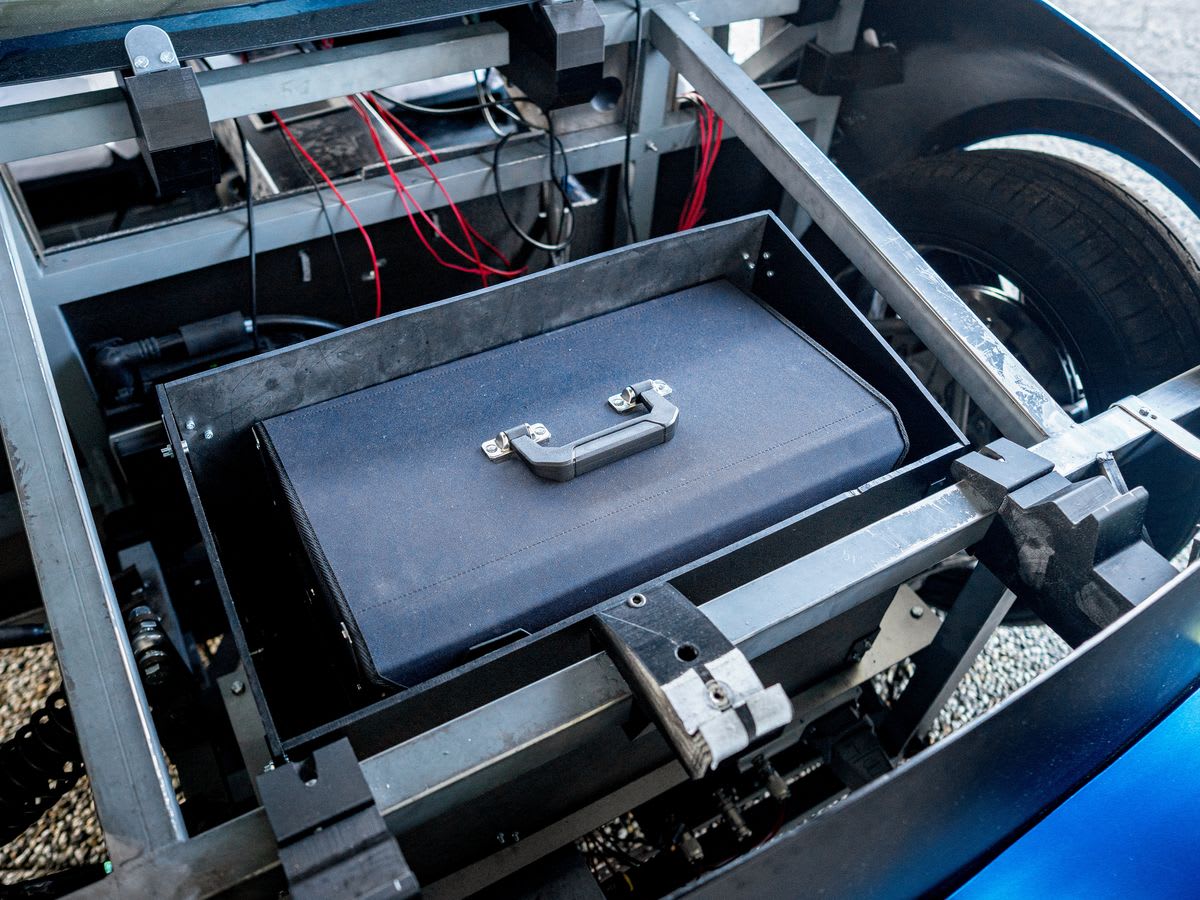
The team tackled the toughest challenge head-on: the battery. Traditional EV batteries weigh over 400 kilograms and sit sealed inside the vehicle's structure. The Aria splits its 13 kilowatt-hour battery into six separate modules, each weighing just 12 kilograms—light enough for one person to handle.
Those modules sit in reinforced compartments under the car floor. A bottom-latch system lets drivers remove and replace them safely after powering down the vehicle. Safety interlocks automatically disconnect high-voltage connections before any module can be lowered.
The students didn't stop at physical design. They created a diagnostic app that connects through a USB-C port and displays a 3D visualization of the car. It pinpoints problems, identifies which tools you need from the onboard toolbox, and walks you through repairs step by step.
Team spokesperson Sarp Gurel, who graduated with a bachelor's in industrial engineering and is pursuing his master's degree, says the goal was making electric vehicles "as accessible and repairable as possible." The car isn't road-legal yet—it's a proof of concept showing that repairability can be built into EVs from day one.
The design does face real-world challenges. Joe Borgerson from Ohio State University's Center for Automotive Research notes that mixing new and aged battery modules creates technical complications. Each connection point, seal, and safety interlock adds weight and complexity that integrated designs avoid.
Why This Inspires
Most industries push toward products that only experts can fix, locking out everyday owners. These students questioned that assumption and proved another path exists.
Their work shows that engineering can prioritize people's ability to maintain what they own. Whether automakers adopt modular designs remains uncertain, but the Aria team demonstrated that building for repairability is possible when designers make it a priority from the start.
The prototype represents more than clever engineering—it's a vision of technology that empowers rather than excludes. In an era of planned obsolescence and proprietary repairs, twenty students chose to design for lasting value instead.
More Images
Based on reporting by IEEE Spectrum
This story was written by BrightWire based on verified news reports.
Spread the positivity!
Share this good news with someone who needs it