Students Build Solar Car That Makes More Power Than It Uses
College students just cracked a problem that's stumped the auto industry: they built a car that generates more energy than it consumes. It looks weird, but the science behind it could change how we power vehicles forever.
Graduate students at Clemson University in South Carolina just unveiled a solar car that produces more electricity than it uses on a typical day. The BMW-sponsored prototype, nicknamed Luminetta, might look like a cardboard box on wheels, but it represents a genuine breakthrough in sustainable transportation.
The boxy vehicle can harvest up to 5.7 kilowatt-hours of energy per day when parked in sunlight. That's nearly four times the 1.6 kWh needed for an average 12-mile daily commute, leaving drivers with an extra 31 miles of free range just from sitting in the sun.
So how did students achieve what major automakers haven't? They started by making the car incredibly light, just 1,212 pounds including the battery. The team used 3D-printed metal joints and lightweight composite panels to create a vehicle that weighs about the same as a go-kart.
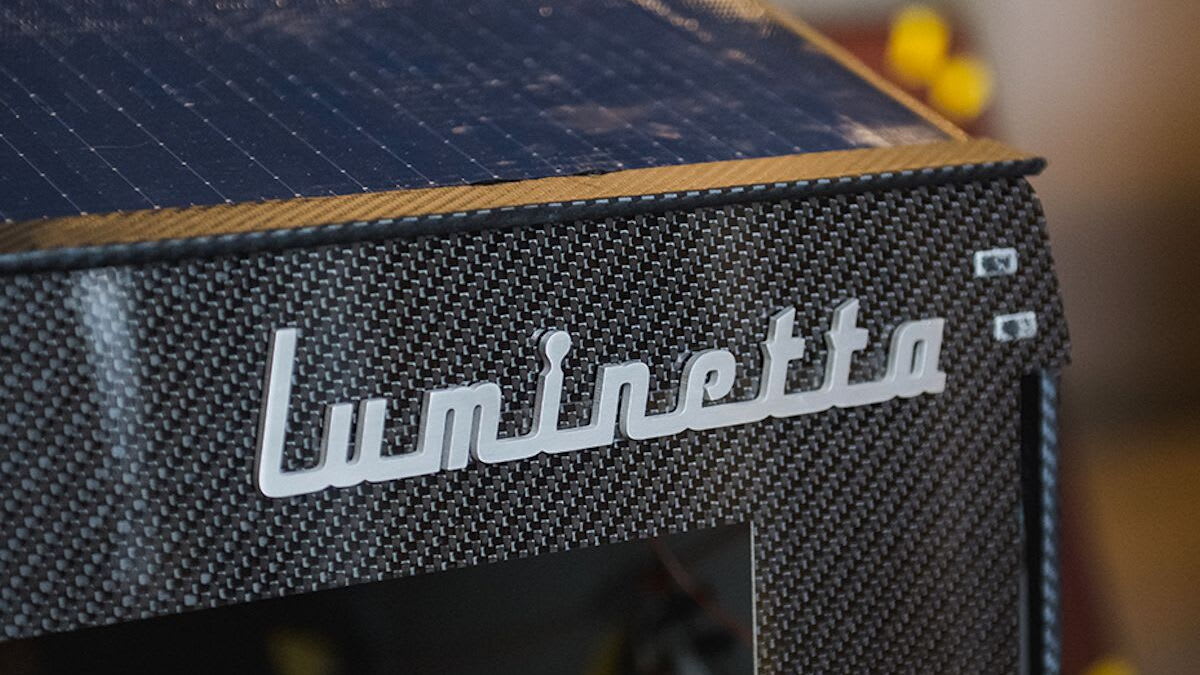
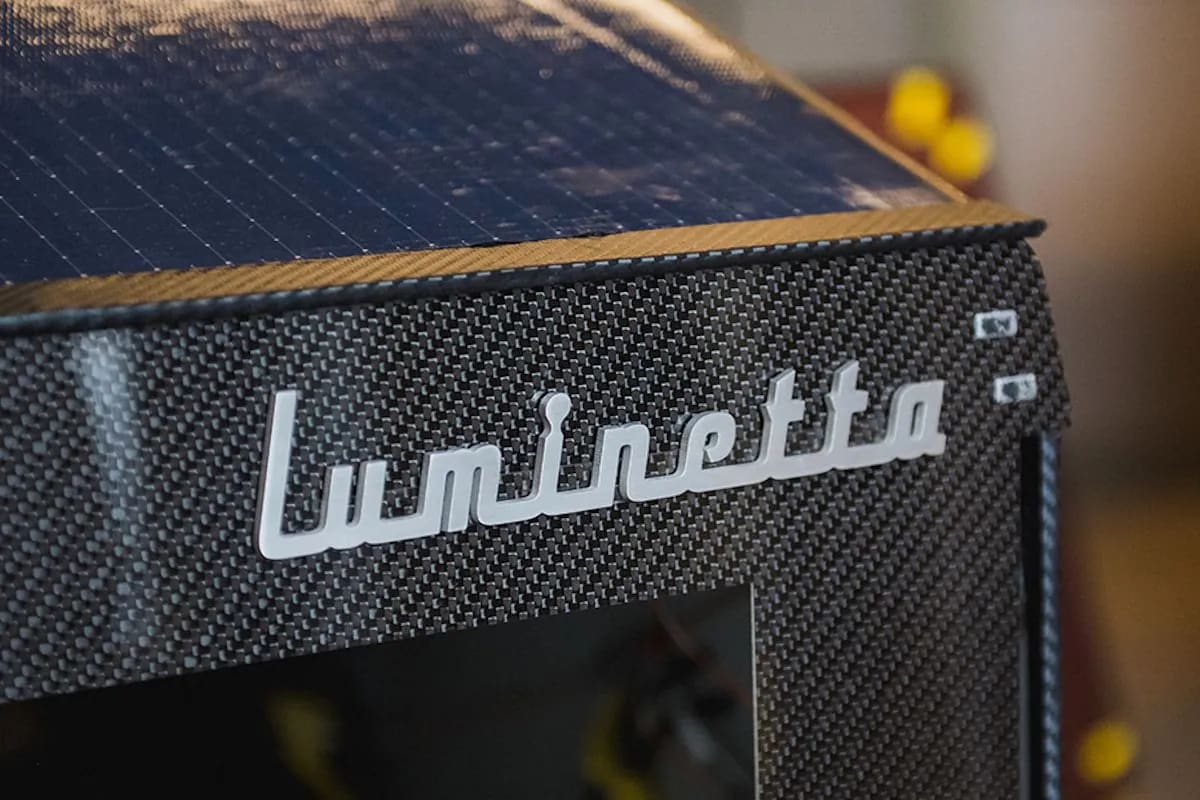
Next, they wrapped the entire exterior in more than 1,700 advanced photovoltaic cells developed with Germany's Fraunhofer Institute for Solar Energy Systems. Unlike traditional rigid solar panels, this shade-tolerant skin adapts to the car's unusual shape while maximizing energy collection.
That shape, inspired by the streamlined boxfish, is admittedly strange looking. But the flat sides minimize drag while providing maximum surface area for solar cells, proving that sometimes function beats form.
The Ripple Effect
This quirky prototype isn't headed to dealerships anytime soon. It lacks the safety features and comfort standards required for production vehicles, and its energy-positive math depends on sunny weather and outdoor parking.
But that's not the point. Luminetta exists to prove what's physically possible when you strip away marketing departments and style guides. The technologies developed here, particularly the flexible solar skin, could eventually appear on the roofs and hoods of everyday cars.
BMW's Stephan Augustin, who managed the project, celebrated seeing students "overcome so many technical challenges and bring an energy-positive vehicle to life." The collaboration shows how university research can tackle ambitious problems that production timelines might discourage.
The next generation of engineers just showed us that cars don't have to drain the grid, they can feed it.
More Images

Based on reporting by New Atlas
This story was written by BrightWire based on verified news reports.
Spread the positivity!
Share this good news with someone who needs it