Students Can Finally Walk to School After 32-Year Ban
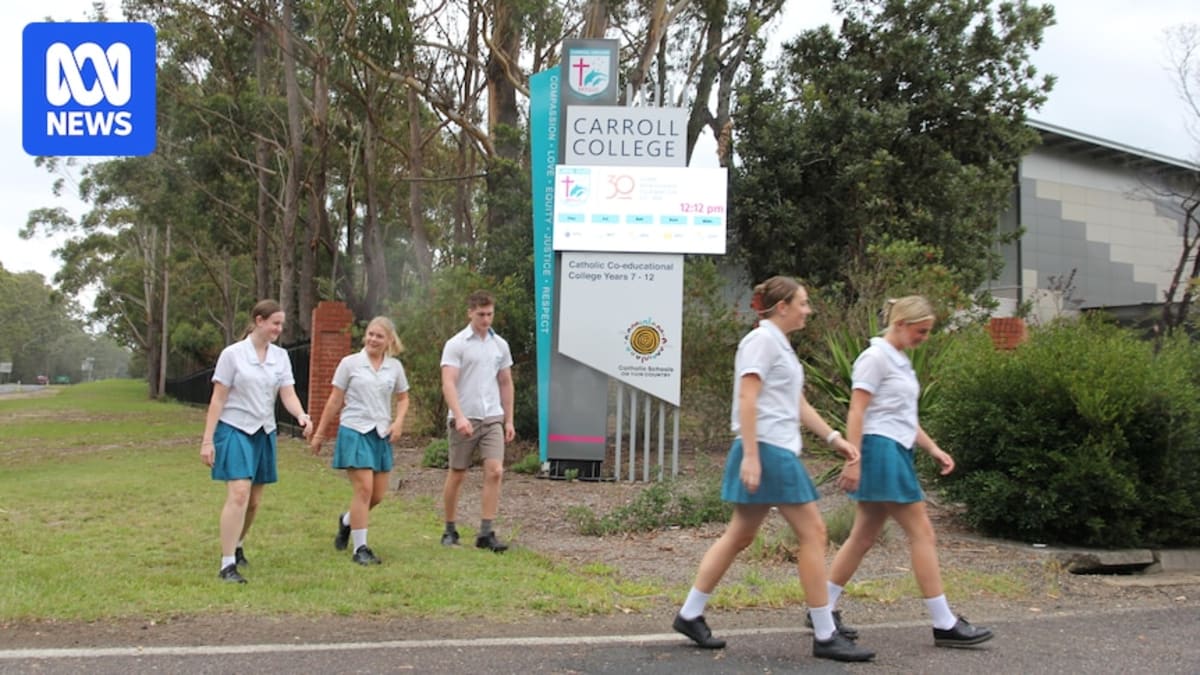
High schoolers in coastal New South Wales will walk and bike to school for the first time in three decades after discovering a traffic ban was never legally enforceable. The misunderstanding kept Carroll College students off sidewalks since 1994.
For 32 years, students at Carroll College in Broulee couldn't walk to school because of a traffic ban that turned out to be a complete misunderstanding.
The coastal New South Wales high school banned walking and cycling in 1994 after the local council passed a motion citing traffic safety concerns. But when school officials asked to overturn the restriction this March, they discovered something surprising.
The ban was never legally enforceable.
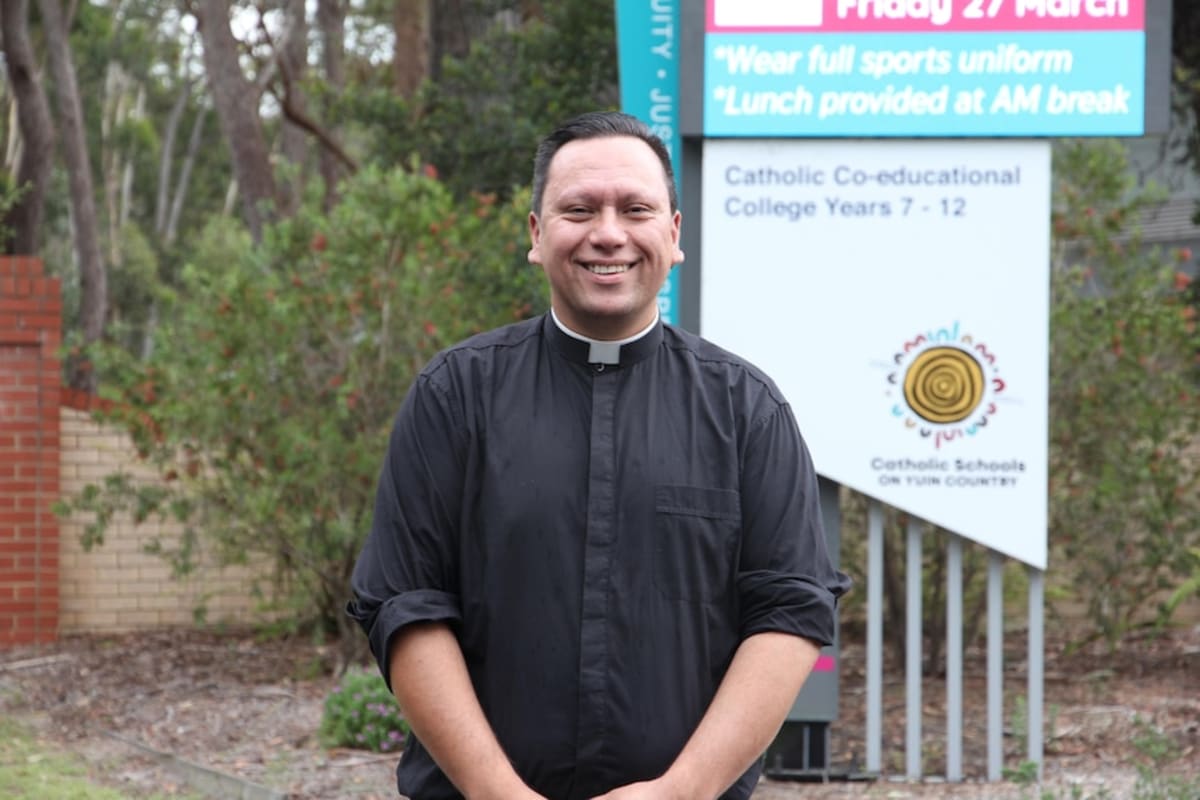
"It wasn't placed into the development conditions that come under our development consent," said Father Joshua Scott, the local parish priest. "We as a college were under the impression it was enforceable."
Principal Andrew Kenneally said the vision of car-only access had simply never been challenged for three decades. Working with the Eurobodalla Shire Council, they realized the walking prohibition wasn't actually part of their agreement.
The council quickly rescinded the outdated motion and approved a six-month trial allowing students to walk and ride to school starting next term.
The timing makes perfect sense. When the school opened in 1994, the main road ran at 100 kilometers per hour with minimal infrastructure. Now the area has a roundabout, a 40 km/h school zone, and much safer conditions overall.
Year 12 student Lukas Muir lives close enough to bike but has been stuck taking the bus. "I've got a mountain bike and not being able to take that into school has been a bit rough, especially since I live so close," he said.
For students like Lukas, the change means saving money on future fuel costs and gaining independence. Fellow Year 12 student Aimee Harris sees health benefits too, encouraging classmates to move instead of sitting in cars on their phones.
The Ripple Effect
About 40 families will benefit immediately when the trial starts next term. Students will use a grass path along George Bass Drive and cross at a pedestrian refuge 600 meters from school, with permanent solutions like a front-gate crossing under discussion.
The change tackles multiple challenges at once. Students gain independence and physical activity while families save time and money. Traffic congestion around the school should ease significantly.
Kenneally hopes the new accessibility will boost future enrollment from local Broulee families who previously couldn't consider the school. "We've been a little bit blocked with not having that accessibility for our students," he said.
After three decades of an accidental restriction, students can finally do what kids everywhere take for granted: walk to school.
More Images


Based on reporting by ABC Australia
This story was written by BrightWire based on verified news reports.
Spread the positivity!
Share this good news with someone who needs it