Students Create Solar Car That Makes More Energy Than It Uses
Graduate students at Clemson University just solved a challenge that seemed impossible: building a car that generates more electricity than it consumes. Their solar-powered prototype produces twice the energy needed for an average daily commute.
When BMW challenged Clemson University students to create an energy-positive car, most experts would have called it impossible. Two years later, the graduate team proved them wrong.
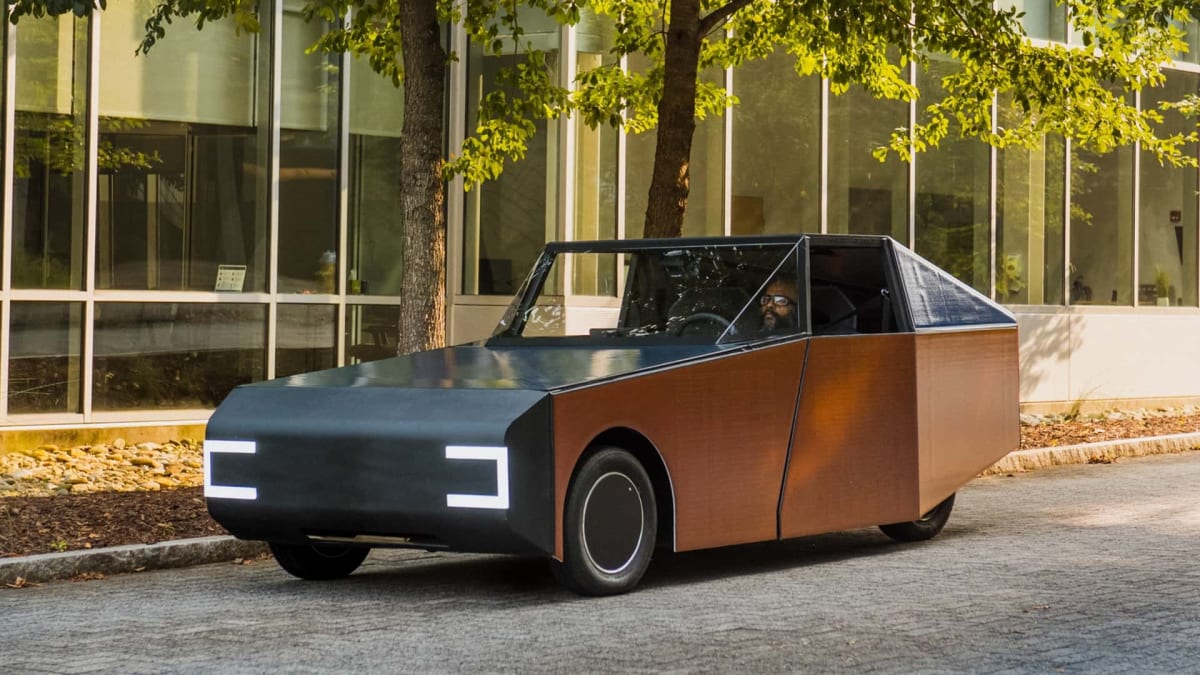
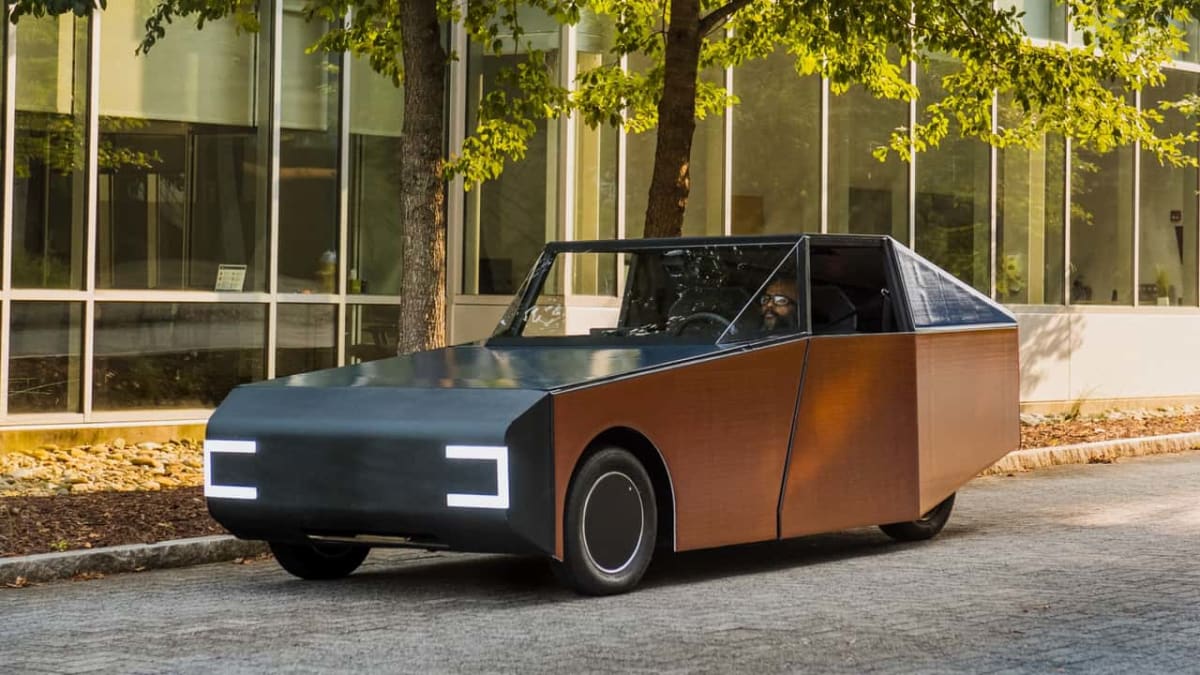
The Deep Orange 17 looks unusual, covered head to toe in orange solar panels like a geometric fish. But behind that quirky exterior sits genuine innovation: a vehicle that generates 31 miles worth of electricity per day while only using 12 miles for the average urban commute.
The secret lies in more than 1,700 photovoltaic cells built directly into the car's skin, developed with help from Germany's Fraunhofer Institute for Solar Energy Systems. These cells harvest sunlight from every angle, whether the car is parked, moving, or stuck in traffic.
Even more impressive, the panels work in shade. That bright orange color isn't just for show—it's a protective film that shields the advanced solar technology underneath.
The students kept weight to just 1,212 pounds by combining steel, aluminum, carbon fiber, and 3D-printed metal joints. The boxfish-inspired shape maximizes surface area for solar collection while maintaining aerodynamic efficiency.
Regenerative braking adds extra energy recovery, while optimized torque distribution keeps power usage minimal. Together, these systems create a vehicle that literally refuels itself just by existing.
Why This Inspires
This student project demonstrates something powerful: the next generation isn't waiting around for someone else to solve climate challenges. Graduate student Harsh Manghnani, who led the solar integration team, called seeing their research validated in a working prototype "incredibly rewarding."
While nobody expects production cars to look like the Deep Orange 17 anytime soon, the lessons learned here matter. BMW partnered with these students specifically to explore how solar integration could make vehicles increasingly energy independent.
The prototype shows that with creative engineering and determination, even "impossible" energy goals become achievable. What started as an academic exercise became a functioning vehicle that creates more than it consumes.
For city dwellers and remote workers with short commutes, the future might include cars that never need plugging in. The Deep Orange 17 proves the technology already works—now it's just a matter of refining it for everyday drivers.
More Images

Based on reporting by Google News - Electric Vehicle
This story was written by BrightWire based on verified news reports.
Spread the positivity!
Share this good news with someone who needs it