Students Learn Climate Science Aboard NASA Research Flights
College students turned Houston's Ellington Field into an airborne classroom this June, flying on NASA research planes to study Earth's atmosphere. The program puts future scientists in the sky alongside real climate missions.
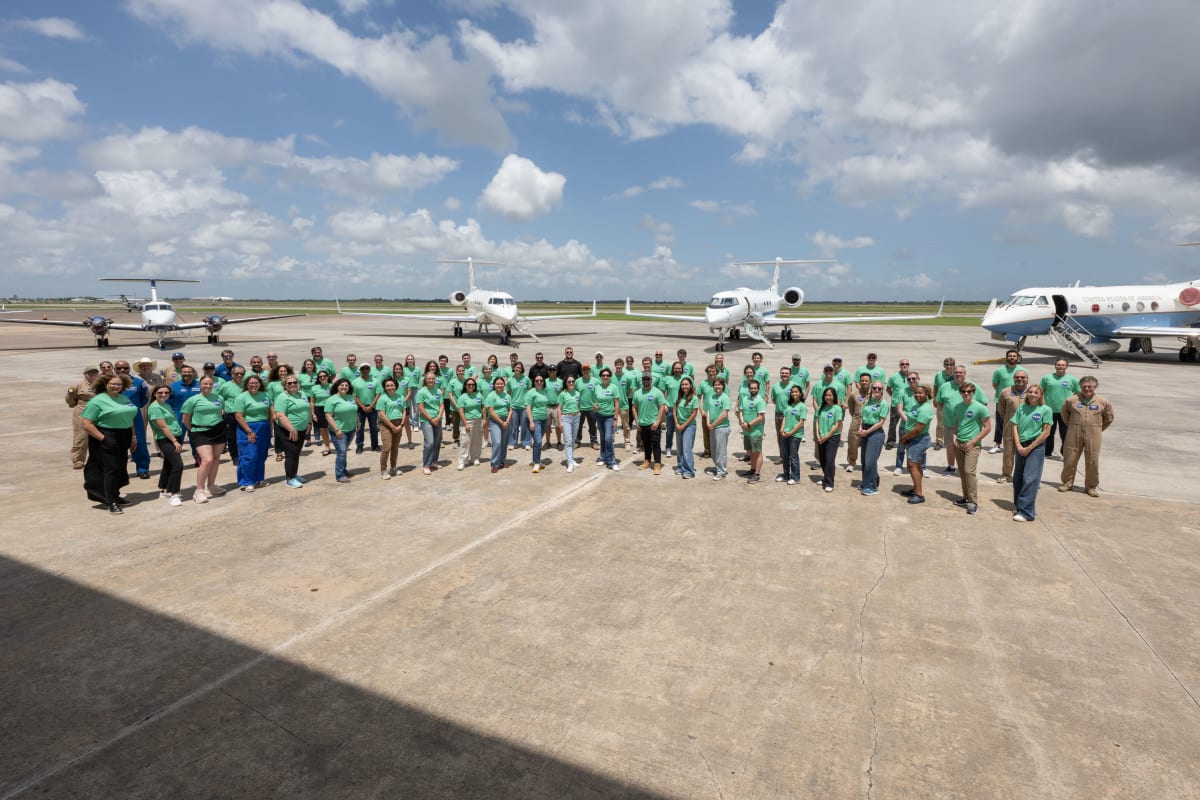
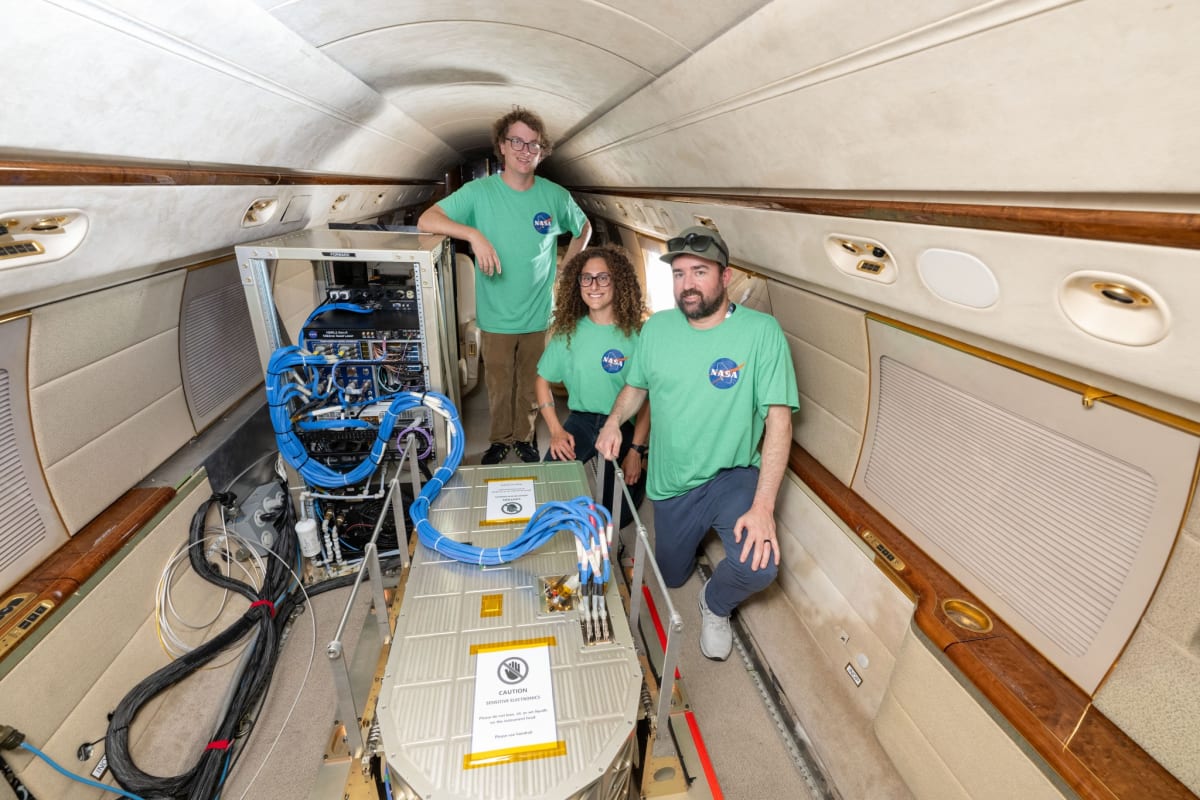
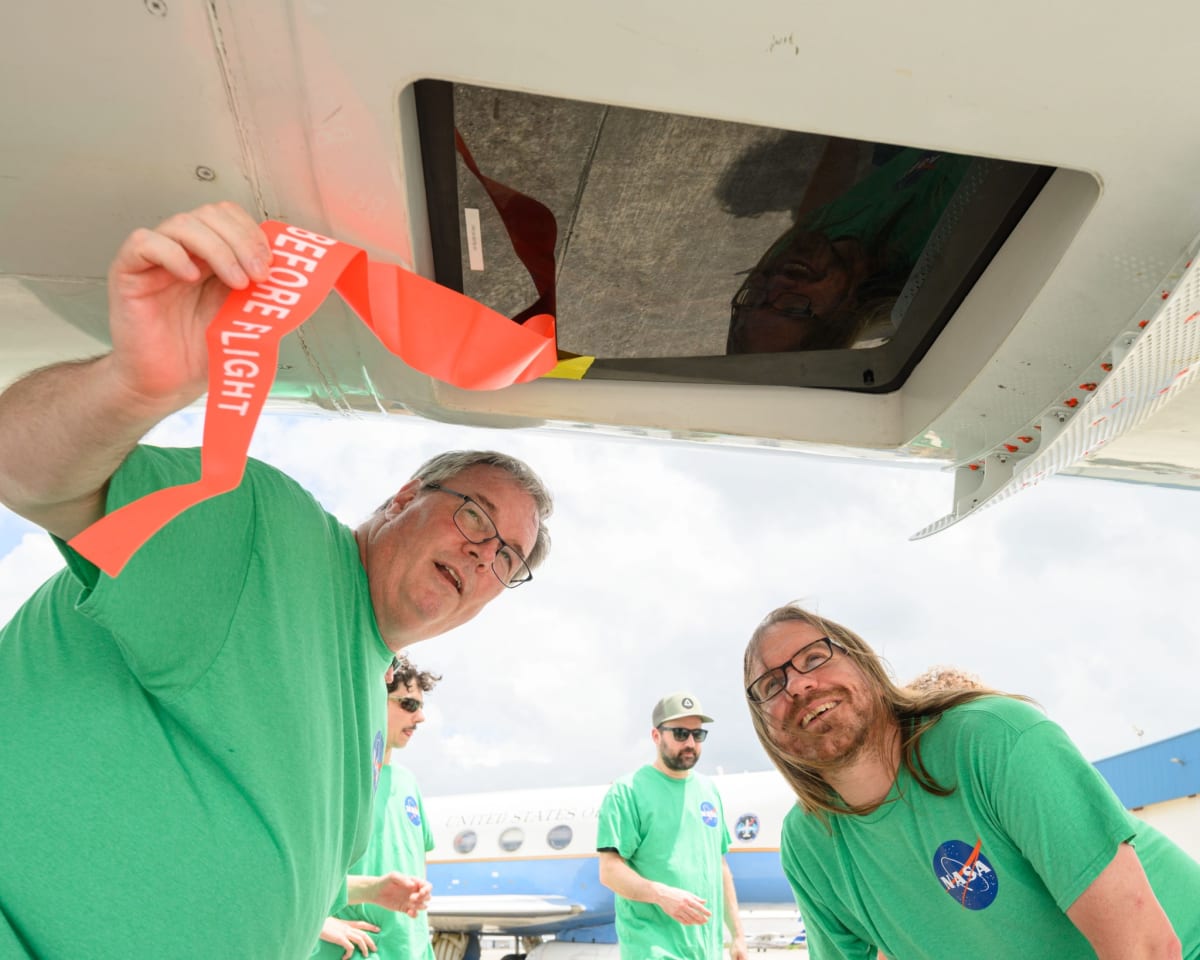
College students got the ultimate field trip this June when NASA invited them aboard research aircraft flying over Texas. For 10 days, participants in NASA's Student Airborne Research Program flew on actual science missions, learning how researchers collect climate data from thousands of feet in the air.
The timing couldn't have been better. NASA partnered with NOAA on an ongoing air quality campaign, giving students a front-row seat to watch two federal agencies tackle atmospheric science together. Instead of reading about research methods in textbooks, students experienced the real thing.
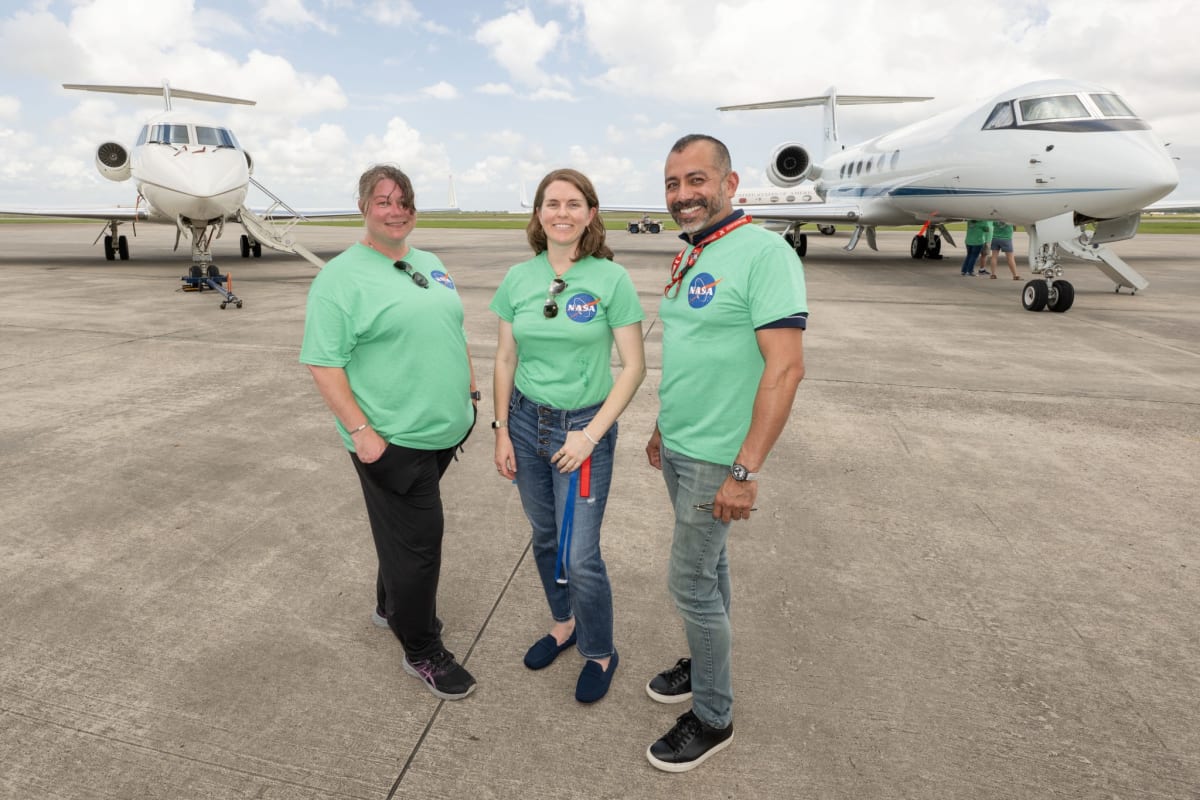
"Every SARP flight is more than a mission; it's a classroom in the sky, where students learn how science is planned, executed, and transformed into discovery," said Vidal Salazar, an Earth Science Project Specialist at NASA's Ames Research Center.
The program brought together five research aircraft at Ellington Field in Houston. NOAA's hurricane hunter plane flew as low as 1,000 feet above ground to capture detailed atmospheric readings. NASA's fleet carried specialized instruments with names like the Airborne Visible/Infrared Imaging Spectrometer, tools that map Earth's surface and measure air quality with incredible precision.
Between flights, students attended daily lectures and coding classes. They worked directly with instrument teams and dove into NASA's data archives. Each student designed their own independent research project using real campaign data, then presented their findings to the team.
The Ripple Effect starts with exposure. Students came from diverse academic backgrounds, many exploring whether airborne science could be their career path. Working alongside NASA subject matter experts, they saw the full spectrum of jobs available in atmospheric research, from pilots to forecasters to data analysts.
"SARP is full of passionate individuals who work together to inspire the next generation of Earth scientists," said Program Manager Joelle Hopkins.
The air quality data these flights collect serves purposes beyond education. Researchers use the measurements to feed numerical models that track pollution and atmospheric chemistry changes year after year. By flying the same routes over time, scientists can compare conditions and spot trends that help communities understand their air quality.
Low-altitude flights matter because instruments need to get close enough to Earth's surface to capture data at useful resolutions. What students witnessed wasn't just impressive technology but the practical reality of how scientists gather information that shapes our understanding of climate and environmental health.
These students left Houston with more than memories of flying on research planes. They gained hands-on experience in how collaborative science works, connecting classroom theory to real-world missions that help us understand and protect our atmosphere.
More Images
Based on reporting by NASA
This story was written by BrightWire based on verified news reports.
Spread the positivity!
Share this good news with someone who needs it