Students Plant 100 Trees at Mexican University Park
Students and professors at the University of Guadalajara transformed 50 hectares of former wasteland into a thriving laboratory park by planting 100 native trees using a Japanese rapid-growth method. The celebration marked World Environment Day and three years of community-driven conservation.
A plot of land once filled with rubble and garbage is now a flourishing 50-hectare park where students study nature while restoring it.
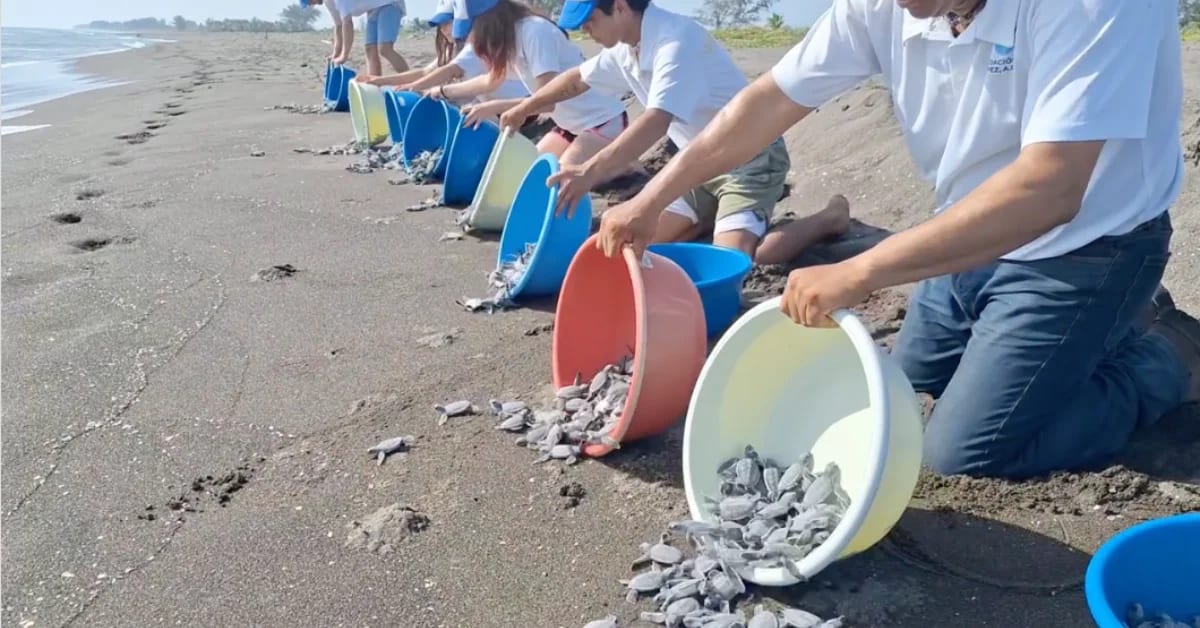
The University Center for Social Sciences and Humanities in Guadalajara celebrated World Environment Day by planting 100 native Mexican trees at their Cañada Enrique Estrada Faudón Laboratory Park. Fifty students and professors worked together to plant species like oak, guava, and pomegranate that attract local birds and mammals.
The park started as a vision in 2021 when geographers, biologists, and architects collaborated to design a space that serves three purposes: environmental regulator, recreational area, and outdoor classroom. Professor Luis Felipe Cabrales Barajas explained that students use the space for practical work like mapping and species classification.
What makes this project special is its strict "not a single kilo of cement" rule. Instead of adding buildings or sports fields, the team preserved the land's natural character and historical features from the old Los Belenes ranch, including stables and a fish farm.
The park now hosts wildlife including ducks, cardinals, woodpeckers, and migratory birds across an area equivalent to Morelos Park. An irregular settlement at the northeastern edge provides opportunities for social research, making this truly interdisciplinary work.
For this latest planting, the nonprofit Reforestamos México donated the trees and taught the Miyawaki method, a Japanese technique that accelerates forest growth. Native species planted close together compete for nutrients, speeding up their development in small spaces.
The Ripple Effect
Professor Pedro Méndez Guardado emphasized that even when some trees don't survive, the community bonds formed during planting events create lasting value. Students develop a sense of belonging and responsibility toward the land they're restoring.
Reforestamos México representatives encouraged students to create botanical guides and biodiversity inventories to share knowledge with others. This transforms students from passive learners into active stewards who document and protect their local ecosystem.
The park demonstrates how universities can turn abandoned land into living laboratories that benefit both education and the environment. Three years of steady reforestation shows what's possible when communities commit to green spaces without compromise.
Future generations of students will study in forests their predecessors planted, learning that restoration takes patience and collective action.
Based on reporting by Google News - Reforestation
This story was written by BrightWire based on verified news reports.
Spread the positivity!
Share this good news with someone who needs it