Students Turn Water Plant Into Breast Prosthesis
Two Filipino students created an affordable breast prosthesis from bakong, a local aquatic plant with antimicrobial properties. Their invention won the James Dyson Award and could help thousands of cancer survivors access comfortable, sustainable alternatives.
A simple water plant growing across the Philippines just became the answer to a problem facing millions of breast cancer survivors worldwide.
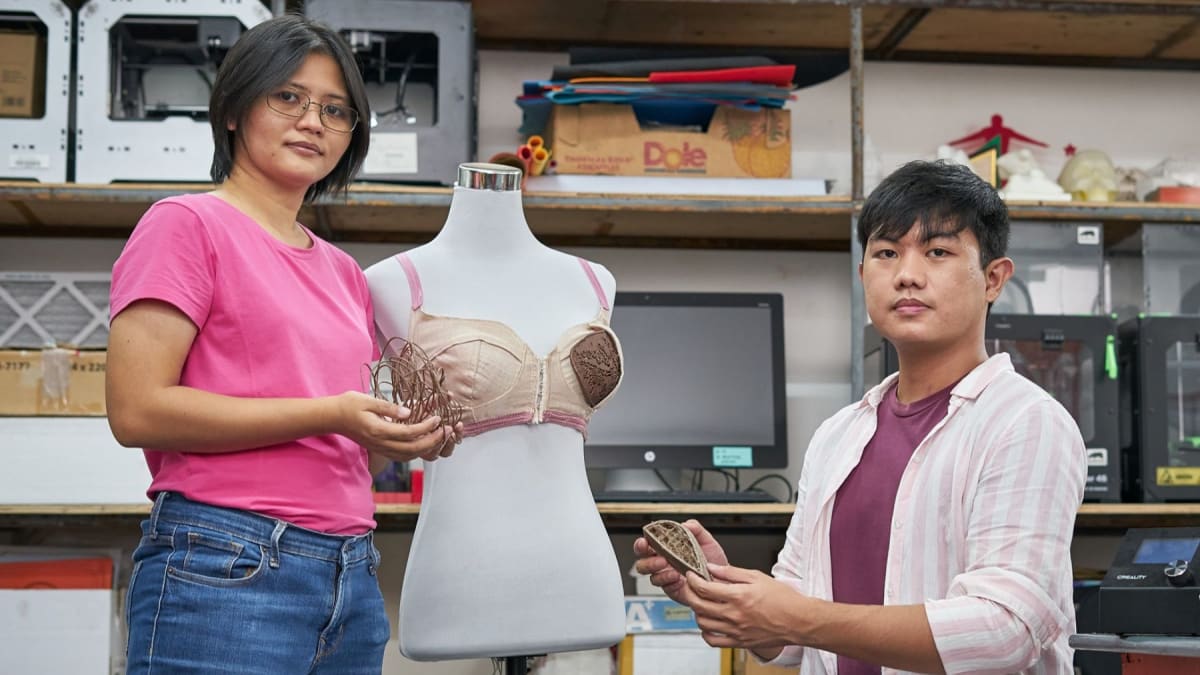
Jason N. Pechardo and Emmanuelle A. Pangilinan, two industrial design students at the University of the Philippines–Diliman, noticed something troubling during their research. Traditional breast prostheses made from silicone or foam were often expensive and uncomfortable in tropical heat, putting them out of reach for many women who needed them most.
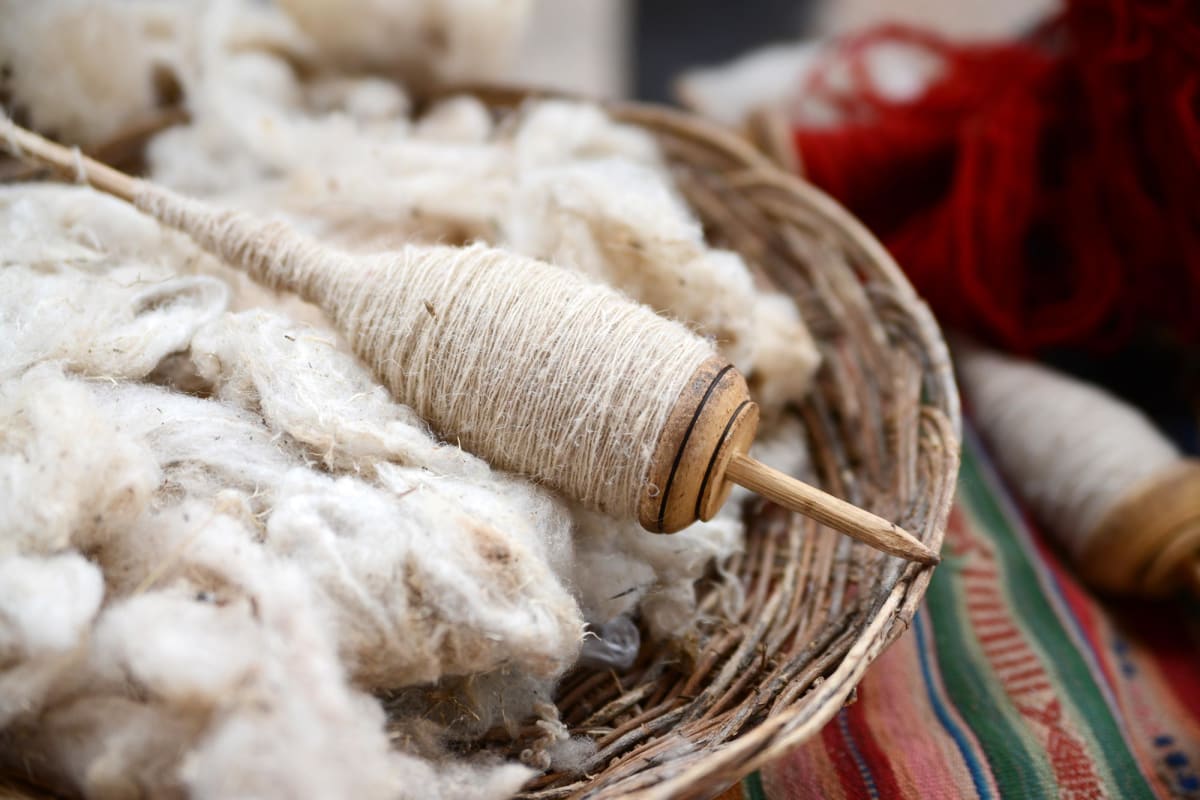
Instead of accepting the status quo, they looked closer to home. They discovered bakong, an aquatic plant native to the Philippines with natural antimicrobial properties that's both widely available and biodegradable.
The students combined this traditional material with modern 3D scanning technology to create custom-fitted prostheses for each user. What started as a university project evolved into Brakong, a lightweight external breast prosthesis that addresses both comfort and affordability.
Their timing couldn't be more crucial. Breast cancer is the most common cancer among Filipino women, and many undergo mastectomy as part of treatment. For these survivors, finding a prosthesis that helps restore balance and shape is an important part of recovery.
The Ripple Effect
The innovation caught the attention of the James Dyson Award judges, earning top honors in the Philippine competition earlier this year. Now Brakong is advancing to the international phase, with finalists announced in November.
But the recognition means more than awards. ICanServe Foundation, an organization supporting breast cancer detection and survivor care, has partnered with the students to refine the design. Each round of feedback brings them closer to a product that could reach women across the country and beyond.
Pangilinan sees their work as part of a larger movement toward sustainable medical design. She believes product designers have a responsibility to consider the full life cycle of what they create, and that highlighting natural materials could push entire industries toward more responsible practices.
Pechardo thinks even bigger. The bakong plant's properties might extend to other medical devices and materials, opening new possibilities for affordable healthcare solutions rooted in local resources.
The team is now seeking funding to scale production beyond the university's limited equipment. With support from the UP College of Fine Arts' FabLab and the Design Center of the Philippines, they're working to transform their prototype into a widely available product that's affordable, comfortable, and accessible for every survivor who needs it.
Sometimes the most powerful innovations don't come from complex laboratories but from students who simply asked if nature already had the answer.
Based on reporting by Google News - Cancer Survivor
This story was written by BrightWire based on verified news reports.
Spread the positivity!
Share this good news with someone who needs it